Hillary Clinton Accuses Trump's Justice Department of Epstein Files 'Cover-Up'
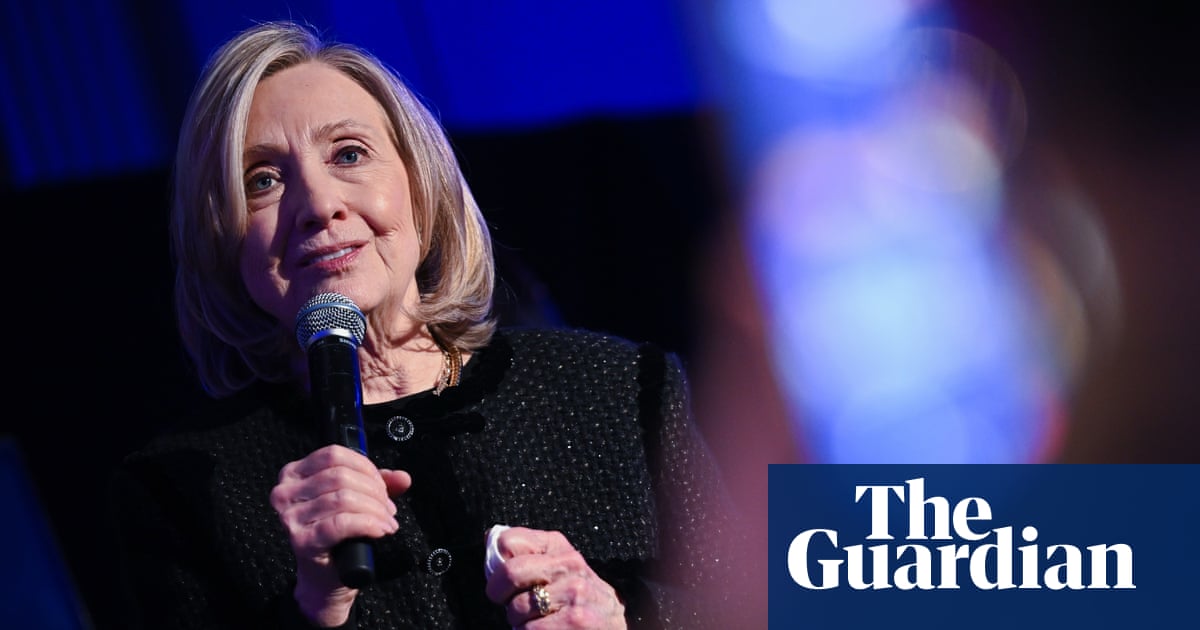
Hillary Clinton Accuses Trump’s Justice Department of Epstein Files ‘Cover-Up’ liberal Liberal coverage emphasizes Hillary Clinton’s accusation that Trump’s Justice Department slow-walked or obstructed the release of Epstein files, framing it as part of a wider pattern of politicized justice under Trump. These outlets highlight that both Clintons publicly support full disclosure, insist no wrongdoing by them has been proven, and situate the dispute in broader concerns about institutional accountability in handling Epstein’s crimes. @www.wonkette.com @The Guardian @The Gateway Pundit Hillary Clinton has recently alleged that Donald Trump’s Justice Department engaged in a “cover-up” regarding files related to Jeffrey Epstein, focusing on what she describes as delays and limits in the release of court documents and investigative records. Across outlets, coverage notes that the accusations stem from Clinton’s public comments in interviews and media appearances, where she claims the Department of Justice under Trump slow-walked or obstructed disclosure while Trump himself was repeatedly named in documents related to Epstein and Ghislaine Maxwell. Both liberal and conservative sources acknowledge that Bill Clinton’s name appears in Epstein-related records, that flight logs link him to Epstein’s plane on multiple occasions, and that newly unsealed documents and photos have renewed scrutiny of elite figures in Epstein’s orbit. They also agree that the Clintons publicly deny wrongdoing and have called for the full release of Epstein files, and that the controversy is unfolding alongside broader public anger over how Epstein’s crimes were handled and who in positions of power may have been protected.
Coverage from both sides places this dispute in the larger context of Epstein’s long history of alleged sex trafficking, his powerful social network, and public mistrust of institutions like the Department of Justice and federal courts. There is broad acknowledgment that Epstein’s prior sweetheart plea deal in Florida, his death in federal custody, and the long-delayed transparency around associated documents have fueled bipartisan suspicions that the justice system has treated wealthy and politically connected men differently. Outlets on both sides agree that the current debate is not just about the Clintons and Trump but about whether federal law enforcement and prosecutorial decisions have adequately exposed who knew what, when, and whether reforms in transparency, oversight, and accountability are needed to restore confidence in how such high-profile cases are handled.
Areas of disagreement
Responsibility and blame. Liberal-aligned coverage tends to foreground Clinton’s claim that the primary obstruction came from Trump’s Justice Department, portraying her accusation as part of a broader pattern of Trump-era interference with politically sensitive investigations. It emphasizes that Trump himself is mentioned in Epstein-related materials and suggests the files might implicate figures close to him, making a potential motive for delay plausible. Conservative coverage, by contrast, often flips the frame, arguing that the Clintons are deflecting from their own long-running ties to Epstein and that Bill Clinton’s flight logs and social interactions raise more serious questions than anything documented about Trump.
Portrayal of the Clintons’ conduct. Liberal coverage generally presents the Clintons’ denials and call for full file release as consistent with a desire for transparency, stressing that no court has found them culpable in Epstein’s crimes and often treating Hillary Clinton’s remarks as a political critique of Trump-era justice practices. Conservative outlets instead highlight photos, travel records, and alleged social proximity between Bill Clinton and Epstein, using these details to portray Hillary Clinton as minimizing or misrepresenting the depth of those ties. They frame her “cover-up” accusation as projection or political opportunism aimed at discrediting Trump while avoiding deeper scrutiny of the Clintons’ own conduct.
Characterization of the Justice Department and institutions. Liberal sources typically depict the Trump-era Justice Department as politically weaponized, placing the Epstein file controversy alongside other examples they cite of selective enforcement or opacity under Trump. They may link this to broader concerns about attacks on the rule of law and institutional integrity during his administration. Conservative sources more often suggest that institutional failures around Epstein long predate Trump and implicate bipartisan elites, arguing that focusing narrowly on Trump’s DOJ obscures systemic problems and the roles of Democrats, including the Clintons, in benefitting from a culture of impunity.
Political motive and narrative framing. Liberal coverage tends to frame Clinton’s comments as part of an effort to fully expose all high-profile Epstein associates, casting her as challenging a pattern of protection for powerful men and hinting that Trump’s circle fears full disclosure. Conservative coverage frames the same comments as an attempt to shape the narrative before more damaging information about Bill Clinton becomes normalized in public discourse, portraying her laughter at questions about photos and documents as evidence of elitist disregard. Thus the two sides diverge on whether her intervention is an accountability measure or a preemptive damage-control strategy.
In summary, liberal coverage tends to treat Hillary Clinton’s “cover-up” accusation as a credible critique of Trump’s Justice Department and a call for greater transparency amid longstanding institutional failures, while conservative coverage tends to depict her remarks as a politically motivated distraction from the Clintons’ own extensive and suspicious ties to Jeffrey Epstein and a broader elite protection racket. Story coverage
Write a comment