FBI Launches 'Operation Summer Heat 2.0' to Combat Violent Crime
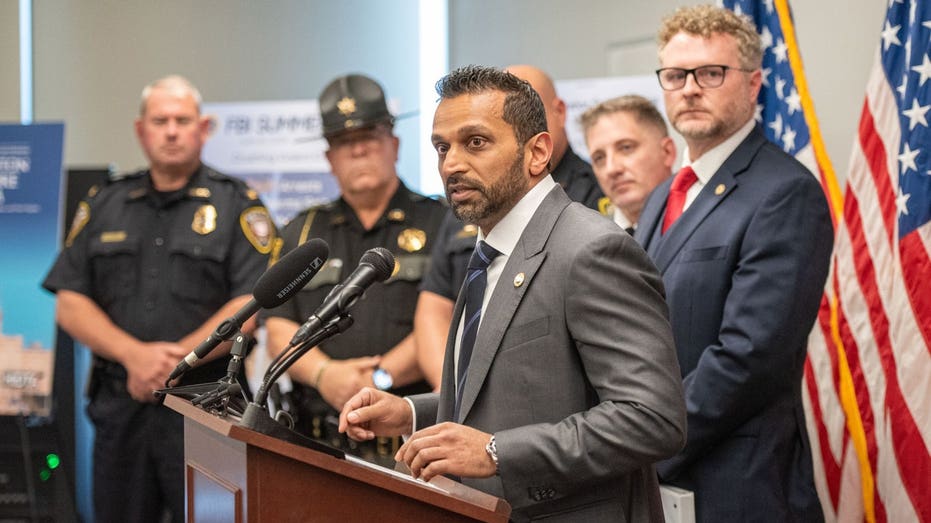
FBI Launches ‘Operation Summer Heat 2.0’ to Combat Violent Crime The FBI’s new “Operation Summer Heat 2.0” is being rolled out as both a crime-fighting escalation and a political showcase, with supporters hailing a proven model and critics questioning whether sweeping crackdowns meaningfully reduce violence.
Conservative-leaning coverage frames the initiative as an extension of a clear success story. Fox News emphasizes that 35 people were charged in West Virginia “for narcotics and firearms offenses” in a yearlong probe dubbed “Operation Turf War,” with the FBI calling it a “massively successful operation” that answered “the call of a community that needed it the most.” The story highlights sophisticated techniques, use of confidential informants, and close collaboration with SWAT teams and Homeland Security Investigations as a template for national replication this summer.
The Washington Examiner similarly presents “Operation Summer Heat 2.0” as a scaled-up version of a “historic success” that previously netted “thousands of arrests, significant drug seizures, and the recovery of hundreds of endangered children.” It stresses that this year’s effort starts earlier than last year and is explicitly tied to President Donald Trump’s law-and-order agenda, quoting officials touting the removal of “the worst of the worst criminals off the street.”
Yet even within these friendly accounts, tensions emerge. The focus on raw arrest and seizure numbers—a West Virginia bust yielding “approximately 25 pounds of cocaine,” 17 firearms, and about $285,000 in cash, with multiple suspects still at large—raises familiar questions: do such tactics dismantle trafficking networks or simply rotate who fills the vacuum? And does branding a seasonal crackdown as “Summer Heat 2.0” risk prioritizing optics and political messaging over sustained structural reforms in policing, addiction treatment, and economic conditions that fuel violent crime?
With only supportive perspectives prominently featured so far, the initiative’s success will ultimately be judged not by headline arrest totals, but by whether communities see lasting reductions in violence once the summer spotlight moves on.
Write a comment