Israel and Lebanon Agree to US-Brokered Ceasefire
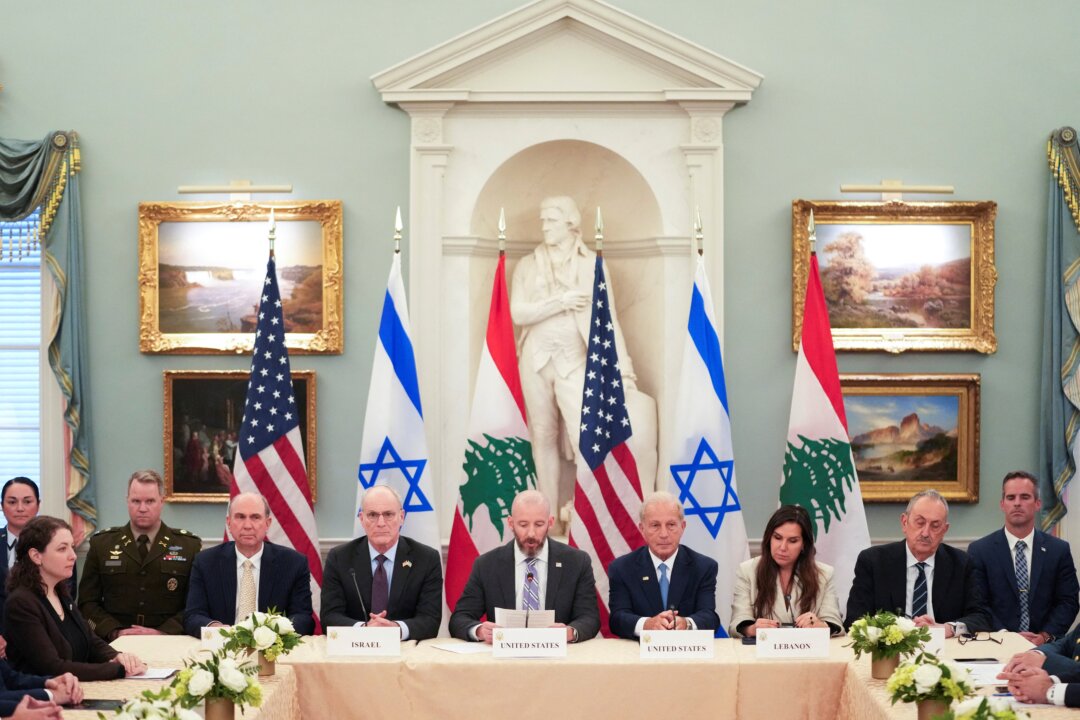
Israel and Lebanon Agree to US-Brokered Ceasefire Israel and Lebanon’s new U.S.-brokered ceasefire is being hailed as a diplomatic breakthrough, yet the deal’s dependence on Hezbollah’s compliance and regional power politics exposes deep uncertainties about how durable any calm can be.
What the deal does — and what it demands
Across the spectrum, outlets agree on the core terms: Israel and Lebanon have agreed to implement or renew a ceasefire, contingent on a “complete cessation of fire” by Hezbollah and the evacuation of its fighters from southern Lebanon, south of the Litani River or “South Litani Sector.” The agreement also creates “pilot zones” where the Lebanese Armed Forces will exercise “exclusive control … to the exclusion of all non-state actors,” effectively testing whether Beirut can displace Hezbollah from front-line territory.
A conservative account emphasizes this as a security-first arrangement: a ceasefire that “depends on a full stop to attacks by the Hezbollah terrorist group and the withdrawal of all its fighters from the area south of the Litani River.” Liberal-leaning coverage, while noting the same conditions, embeds them in a broader narrative of regional diplomacy and humanitarian fallout, stressing that weeks of “deadly fighting” have displaced more than a million people in Lebanon and killed thousands.
Washington’s calculus vs. regional skepticism
Liberal outlets foreground the Trump administration’s effort to use the ceasefire to “overcome one of the largest barriers” to a wider deal with Iran, portraying the talks in Washington as part of a complex U.S.–Iran–Israel–Lebanon bargaining chain. A live-news framing further situates the accord amid simultaneous Iranian attacks on Kuwait, underlining how fragile any de-escalation may be.
In Washington, officials present the truce as a controlled window for diplomacy. Secretary of State Marco Rubio amplified a State Department message touting a “Ten Day Cessation of Hostilities to Enable Peace Negotiations Between Israel and Lebanon,” signaling U.S. intent to lock in talks quickly.
Yet some liberal reporting highlights a core contradiction: Hezbollah “has not been party to the talks” and says it will “not accept a partial ceasefire,” challenging the assumption that state‑to‑state deals can dictate the actions of the most powerful armed actor on the ground. The ceasefire, then, is less a resolution than a high‑risk test of whether diplomatic architecture can meaningfully restrain a non‑state force enmeshed in Iran’s wider confrontation with the U.S. and Israel.
Write a comment