Ebola Outbreak in Eastern DR Congo Hampers Response Efforts
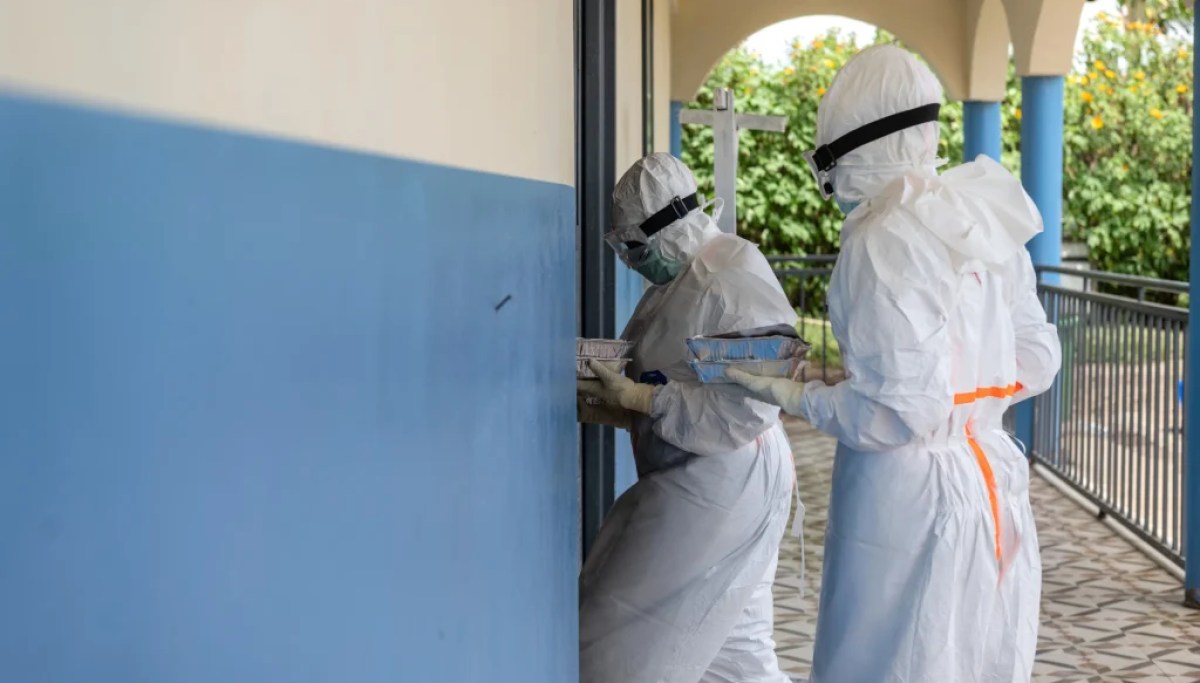
Ebola Outbreak in Eastern DR Congo Hampers Response Efforts An Ebola outbreak in eastern Democratic Republic of the Congo is exposing a stark divide between on-the-ground insecurity and international assurances that the response is “catching up.” The core tension: whether the main problem is rebel violence and state fragility, or delayed detection and an underpowered global health system.
Liberal-leaning coverage centers the human cost of conflict and its direct impact on containment. The Guardian highlights that “rebel attacks in eastern DRC kill 30 people and hamper Ebola response,” tying massacres around Beni to an already fragile health effort. This framing stresses how Islamic State-linked ADF raids, beheadings, and mass displacement undermine trust in health workers and cause patients to flee treatment centers, turning a medical emergency into a security crisis.
Conservative outlets, by contrast, place more emphasis on institutional performance and epidemiological timelines. The Washington Times amplifies the World Health Organization’s message that “we’re still behind” in Congo’s Ebola outbreak even as testing improves, portraying the response as belated but steadily improving under WHO and government leadership. The Epoch Times similarly reports that the “Ebola response [is] catching up as confirmed cases rise,” echoing WHO’s claim that better data and falling suspected-case numbers indicate progress.
Yet a third conservative source undercuts this cautious optimism. The Washington Examiner foregrounds an International Rescue Committee warning that “Ebola could have spread for three months before first cases were detected,” blaming “delayed detection and slow contact tracing” and noting that only 20% of contacts are being traced. That account challenges WHO’s relatively lower case estimates and points to deeper structural failures: corruption, conflict, supply shortages, and the lack of approved drugs for the Bundibugyo strain.
Taken together, these perspectives agree that the outbreak started with a “big head start” and that the world is “still behind.” The disagreement is over why: rebel violence and state weakness, global health complacency and slow detection, or some combination the current response still appears ill-equipped to fully confront.
Write a comment