Trump Signs Executive Order Making It Easier to Fire Federal Workers
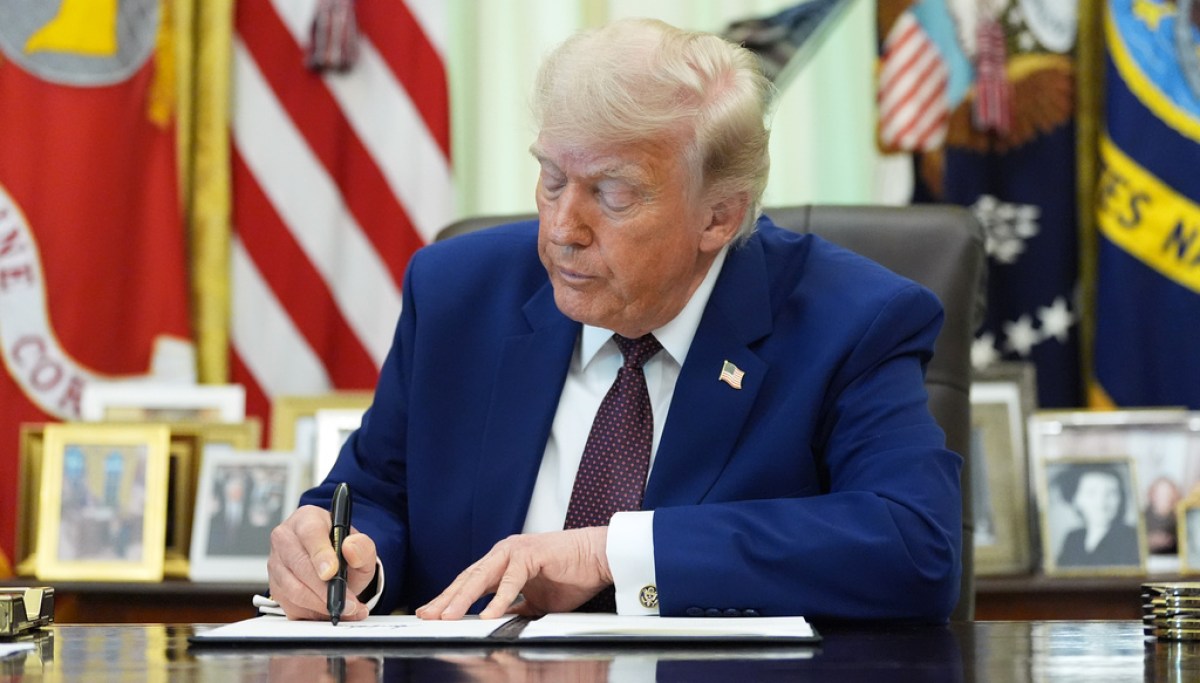
Trump Signs Executive Order Making It Easier to Fire Federal Workers President Trump’s new executive order targeting about 8,000 senior federal workers has become a test case for where accountability ends and politicization begins.
On the left, the order is framed as an assault on the modern civil service. The Guardian underscores that it “strips job protections from a mostly senior group of federal workers – about 8,000 employees – earning up to almost $200,000 a year, and who are deemed to be ‘influencing’ government policy.” Critics link this to Trump’s long‑running effort to weaken what he calls a hostile bureaucracy, noting that similar Schedule F plans in his first term were rescinded by Biden. Labor leaders warn the move revives a 19th‑century spoils system, where loyalty can matter more than competence, and see it as part of a broader purge that has already driven hundreds of thousands out of government.
Conservative coverage accepts the same facts but spins a different narrative: a long‑overdue correction to an unaccountable elite. The Washington Examiner reports that the order reclassifies roughly 8,000 senior policymakers into a new “Schedule Policy/Career,” making it easier to remove them while formally keeping the jobs in the career civil service. A White House fact sheet is cited to argue it is about “poor performance, misconduct, corruption, or the ‘subversion of presidential directives,’ without the ‘lengthy procedural hurdles that often prevent accountability,’” with decisions purportedly made “without regard to political affiliation.”
The sharpest clash is over risk. Unions call it “a blatant attempt to corrupt the federal government by eliminating employees’ due process rights so they can be fired for political reasons,” warning whistleblowers will now stay silent. The administration counters that only those who refuse to carry out lawful directives need worry. Both sides claim to be defending good governance—one by shielding expertise from politics, the other by insisting elections must have consequences inside the bureaucracy.
Write a comment