US Strike on Suspected Drug Boat Kills Two in Eastern Pacific
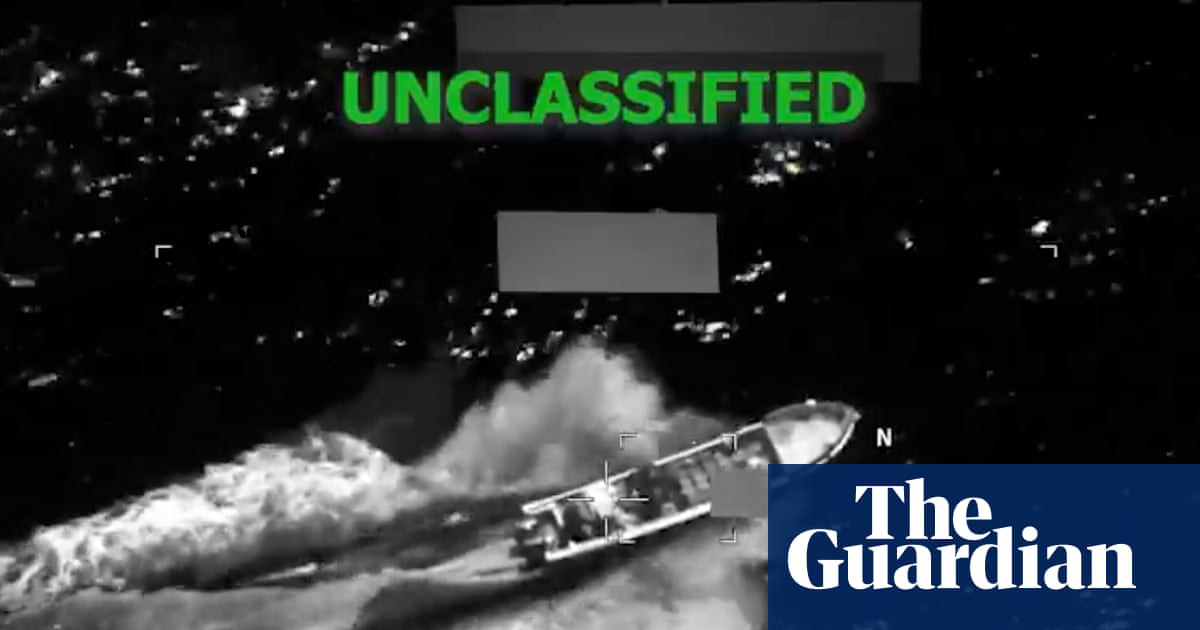
US Strike on Suspected Drug Boat Kills Two in Eastern Pacific A lethal U.S. strike on a suspected drug‑trafficking boat in the eastern Pacific has become a test case for two competing narratives: decisive counterterrorism vs. creeping, opaque war at sea.
Conservative-leaning coverage emphasizes operational success and the framing of the targets as terrorists. Fox News reports that U.S. Southern Command (SOUTHCOM) “carried out a lethal strike Wednesday on a vessel it said was involved in drug trafficking in the Eastern Pacific, killing two men it described as ‘narco-terrorists’” and stresses that no U.S. personnel were injured. The operation is presented as the latest in a sustained campaign “aimed at dismantling cartel-linked trafficking networks,” with at least 207 people killed since the effort began in September. This perspective treats the strikes as a legitimate extension of counterterror and counternarcotics authority, presuming the intelligence basis without demanding public proof.
Liberal-leaning reporting foregrounds legal, evidentiary, and strategic doubts. The Guardian describes the same incident as the U.S. military attacking “a boat accused of smuggling drugs,” noting that the military “did not provide evidence that the vessel was ferrying drugs” even as it claimed to be operating along known smuggling routes. It highlights that the death toll from boat strikes has reached “at least 207” people targeted as “narcoterrorists,” yet “the administration has offered little evidence to support its claims” about who is being killed.
Where Fox centers effectiveness and threat framing, The Guardian questions both legality and efficacy, pointing out that many fatal overdoses are tied to fentanyl typically trafficked overland from Mexico, not from boats in the eastern Pacific. It also recalls earlier strikes, including a controversial follow‑up attack that killed survivors clinging to wreckage, which some legal scholars argue would be unlawful “under any circumstance.”
The result is a stark contrast: one narrative of necessary kinetic pressure on “designated terrorist organizations,” another of an expanding, poorly scrutinized maritime war whose strategic logic—and human cost—remain largely hidden from public view.
Write a comment