USDA Confirms New World Screwworm Case in Texas Calf
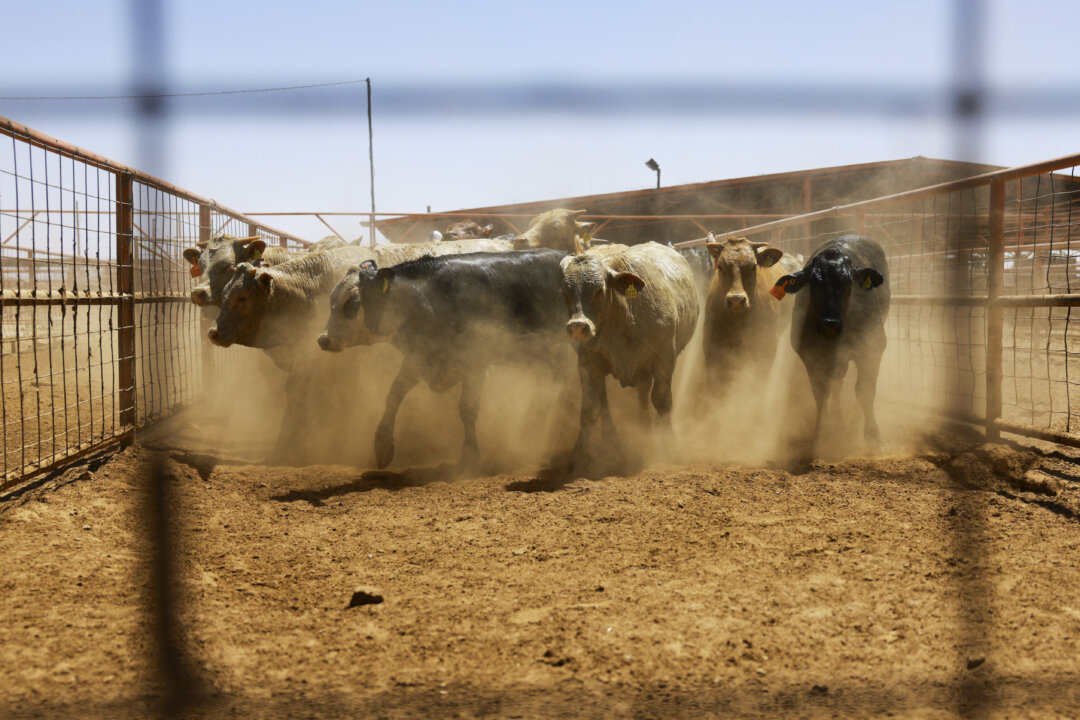
USDA Confirms New World Screwworm Case in Texas Calf Federal officials are racing to contain a flesh‑eating livestock parasite in South Texas, but the political and editorial framing of the threat diverges sharply even as the core facts remain aligned.
Both conservative and liberal outlets agree on the basics: the U.S. Department of Agriculture (USDA) has confirmed New World screwworm larvae in the umbilical area of a 3‑week‑old calf in Zavala County, Texas, marking the first known U.S. case since 2017. The detection follows a confirmed screwworm case in a goat in Mexico’s Coahuila state, about 25 miles from the Texas border, underscoring the pest’s northward advance.
Where the narratives start to split is in emphasis and implied culpability. The conservative-leaning Epoch Times stresses the discovery as a border‑adjacent wake‑up call, linking rising fears of infestation directly to “confirmed cases of the parasite” reaching within a few miles of Texas. That framing implicitly amplifies concerns about cross‑border biosecurity without dwelling on federal preparedness or long‑term investment.
By contrast, CBS News foregrounds federal action and institutional capacity. It details USDA’s immediate response: a 12‑mile “infested zone,” quarantines, stepped‑up trapping along the border, and an Incident Command Team. It further highlights the agency’s claim that it “invested heavily in the tools needed to eliminate NWS” as cases rose in Central America and Mexico and quotes USDA leadership asserting, “The United States has defeated this pest before, and we will do it again.”
Both accounts acknowledge the broader regional trend—over 26,000 screwworm cases identified across Mexico and thousands still active—yet they deploy this context differently. The conservative piece uses proximity and novelty (“first case since 2017”) to heighten risk, while the liberal piece uses the same trends to justify aggressive, federally coordinated eradication.
The result is not a dispute over facts but over framing: one leans toward a narrative of growing external threat at the border, the other toward a narrative of institutional competence facing a cross‑border ecological challenge.
Write a comment