Journalist Reza Valizadeh Pleads for Medical Help From Iran's Evin Prison
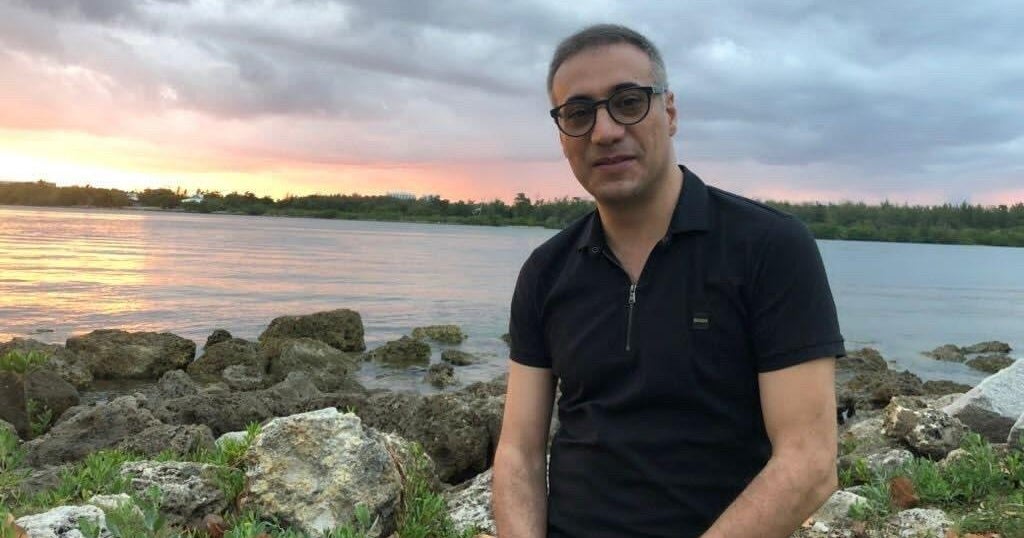
Journalist Reza Valizadeh Pleads for Medical Help From Iran’s Evin Prison Iran’s quiet, back-channel diplomacy with Tehran is colliding with the desperate, public appeals of one of its own citizens, laying bare a stark gap between humanitarian rhetoric and real-world priorities.
A Prisoner’s View: Human Lives as Missed Leverage
From a cell in Evin Prison, Iranian-American journalist Reza Valizadeh accuses Washington of squandering leverage when it allowed the release or transfer of around 20 Iranian sailors without securing anything for Americans held in Iran. In a two‑minute recording, he argues that the U.S. government “could have demanded our exchange in return” and, failing that, at least demanded proper medical treatment and a reduction in “physical pressure and mental torture against us in captivity.”
Valizadeh says he and three other Americans are suffering from “various diseases” and “are deprived from real medical services,” turning what might otherwise be an abstract diplomatic trade into a concrete indictment of U.S. negotiating choices.
Advocates’ Perspective: Survival and Visibility
His lawyer, Ryan Fayhee, underscores the severity of Valizadeh’s condition, saying his client has struggled to speak without coughing since fires triggered by an Israeli airstrike on Evin Prison and now lives with chronic back pain and dental problems. Fayhee frames Valizadeh’s public plea as a last-resort act of professional principle: “As for being a journalist, he doesn’t have much to lose here in reaching out … and asking me, directing me, in fact, as his lawyer, to share his words with the American public.”
U.S. Strategy: Hostages as a Separate Track
U.S. officials acknowledge at least six Americans are detained in Iran, but sources say none are slated for release under the current truce talks, which prioritize ending fighting and restarting nuclear negotiations before handling hostages on a “separate track.” That sequencing directly contradicts Valizadeh’s expectation that U.S. power should first secure its citizens’ safety.
The contrast is stark: for Valizadeh and his advocates, each diplomatic concession not tied to detainee relief is a moral failure; for U.S. strategists, hostages remain one component of a broader geopolitical bargain—just not the first.
Write a comment