Zelenskyy Calls for Direct Negotiations With Putin in Open Letter
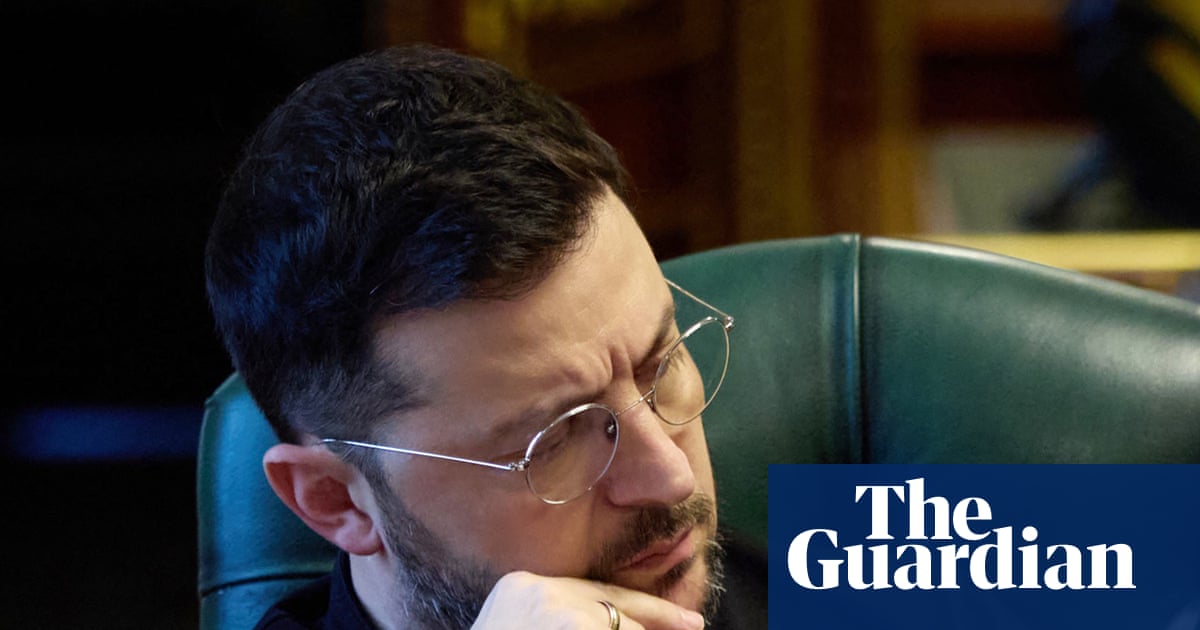
Zelenskyy Calls for Direct Negotiations With Putin in Open Letter Ukrainian President Volodymyr Zelenskyy’s unusual open letter inviting Vladimir Putin to direct talks is being cast either as a bold diplomatic gambit or a high‑risk move that could entrench the battlefield status quo.
Liberal-leaning outlets emphasize the initiative as an attempt to seize a “pivotal moment” created by Ukraine’s recent long‑range strike successes and Russia’s mounting domestic fatigue with the war. One report stresses that Zelenskyy’s letter is also a sweeping indictment of Putin’s 26 years in power and comes as Moscow scrambles to reinforce air defenses against Ukrainian drones hitting targets “deep inside his country.” Another highlights Zelenskyy’s argument that “Russians are increasingly tired of the conflict and the time to end it is now,” framing the offer of face‑to‑face talks in a neutral state as pressure on a Kremlin portrayed as politically and militarily stretched.
These same sources place the move within a wider European debate over sustaining Ukraine’s war effort. A liberal briefing links the letter to calls from Sweden’s migration minister to roll back protection for draft‑age Ukrainian men in the EU because “the war needs to be fought and won – essential more men stay” in Ukraine, underscoring a view that negotiations must complement, not replace, military pressure.
Conservative-leaning outlets strip away much of the moral framing and focus on the hard calculus of leverage and concessions. One describes the letter in straightforward terms as a call “for direct, face-to-face negotiations between the two leaders” in a neutral country, signaling a tactical diplomatic shift more than a moral appeal. Another stresses Zelenskyy’s demand for a “comprehensive ceasefire” and his warning that if Putin does not decide it is time to end the war, “Ukraine will continue fighting for its existence,” while underscoring Ukraine’s enhanced ability to strike over 1,000 kilometers into Russia.
From this angle, the key question is not whether talks are noble, but whether either side is ready to make meaningful concessions—something even sympathetic Western officials doubt. The result is a stark contrast: liberals cast Zelenskyy’s letter as a moral and political challenge to a faltering autocrat, while conservatives frame it as a negotiating maneuver in a war where, for now, neither combatant appears prepared to compromise.
Write a comment