Colorado Court Reverses Homicide Convictions for Paramedics in Elijah McClain Case
Colorado Court Reverses Homicide Convictions for Paramedics in Elijah McClain Case Colorado’s latest ruling in the Elijah McClain case exposes a deep divide over what justice looks like when medical responders and police actions intersect with race, public protest, and legal accountability.
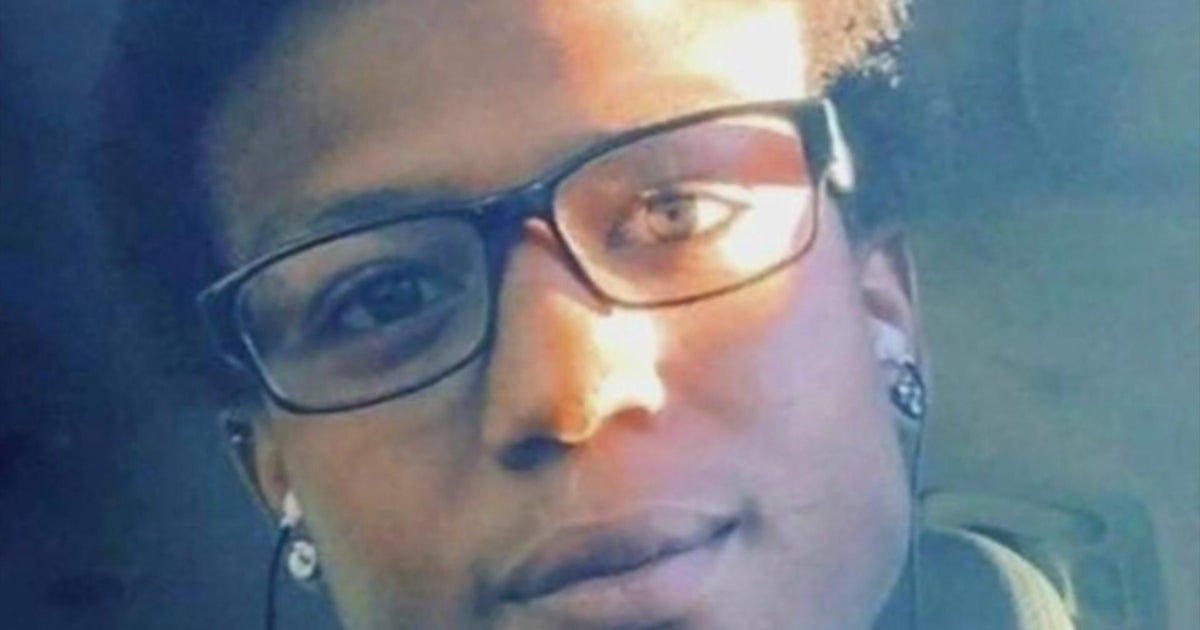
The liberal-leaning coverage emphasizes the broader arc of accountability born from public outrage. CBS Colorado foregrounds how Elijah McClain, a 23‑year‑old Black man, was “confronted by police officers who forcibly restrained him” before paramedics injected ketamine, leading to cardiac arrest and his death days later. It stresses that the coroner’s initial uncertainty shifted only after “social justice protests drew attention to the case,” prompting a revised finding that McClain died from “complications of ketamine following forcible restraint,” which then triggered the 2021 indictments of officers and paramedics.
From this angle, the appeals court decision is a legal setback in a larger, still‑necessary push for systemic reform. CBS highlights Colorado Attorney General Phil Weiser’s insistence that “bringing these cases to trial was the right thing to do for justice” and that his office “is committed to defending these convictions through the appeals process. Justice demands it.” Even while noting that Peter Cichuniec’s assault conviction for unlawful drug administration was affirmed and his prison term replaced with probation, the focus remains on the moral imperative to hold responders accountable.
Conservative‑leaning framing, exemplified by the Washington Times, centers more narrowly on the legal outcome: “Homicide convictions reversed for Colorado paramedics who injected ketamine into Elijah McClain,” underscoring that a court “reversed homicide convictions” and signaling that the paramedics “will not face further prosecution on these charges.” Here, the narrative stresses limits on criminal liability for medical personnel in chaotic field situations, implicitly warning against over‑criminalization of split‑second decisions.
Both sides agree on the grim facts: McClain, a Black man, was pinned down by police and injected with ketamine before he died. But while liberal coverage frames the ruling as a contested chapter in a justice‑seeking saga, conservative coverage casts it as a corrective to prosecutorial overreach. The appeals court hasn’t resolved that tension; it has sharpened it.
Write a comment