Investigation into Murder of Aleksandar Nešović Continues
- The night of May 12: a hit in restaurant “27”
- Cover‑up, acid and a missing corpse
- Dragnet in Jarkovačko Lake – and a family tragedy
- System on trial: police, property and purges
- Pro‑government line: “no protected individuals,” damage control
- Opposition and legal view: body or not, the state is exposed
Investigation into Murder of Aleksandar Nešović Continues Police, soldiers and elite units are scouring lakes and villages across Serbia, but the body of alleged murder victim Aleksandar Nešović – known as Baja – is still missing as the “Senjak case” mutates from a gangland hit into a full‑blown test of the state.
The night of May 12: a hit in restaurant “27”
According to multiple pro‑government outlets, Nešović, a high‑ranking member of the so‑called Kekina group, arrived late on May 12 at restaurant “27” in Belgrade’s upscale Senjak neighborhood for a meeting arranged by former Belgrade police chief Veselin Milić, who allegedly insisted he come without bodyguards. Inside, he joined a table with Saša Vuković, nicknamed Boske, and others; a dispute ended in a burst of 9mm gunfire and a pool of blood believed to be Nešović’s.
Pro‑government tabloids quickly named Vuković – a former police employee turned alleged killer – as the man suspected of firing several shots at Nešović in the restaurant.
Cover‑up, acid and a missing corpse
In the days after the shooting, investigators found a “car in which traces of blood were found” that is expected to reveal the exact crime location, while another vehicle near Putinci contained bottles of hydrochloric acid, gloves and a blood‑stained hood, evidence that “the murder was planned, no one carries acid in their car just like that.” One detailed reconstruction asks bluntly: “Who pulled the trigger, and who cleaned the blood with hydrochloric acid?” as it lays out suspected roles of ten participants, from shooter to cleaners and lookouts.
Telecom data allegedly shows the suspects’ route through Srem villages, feeding the theory that “Bosket’s phone leads to Baja’s body” and that remains may have been scattered across the region.
Dragnet in Jarkovačko Lake – and a family tragedy
By the third day, the hunt had zeroed in on Jarkovačko Lake, described as potentially “holding the key secret” to the Senjak crime. The area around the lake is under “complete blockade,” with Gendarmerie, UKP, Military Police and elite MUP units waging a “desperate battle with time and murky water” using sonar and divers combing the muddy bottom “centimeter by centimeter.” Another outlet simply dubs the gallery: “Jarkovačko Lake.”
The search has expanded beyond water: police and army “jointly search every inch” for “one of the most mysterious crimes of recent months,” while a separate photo report shows the Senjak venue itself and the ongoing “search for Aleksandar Nešović’s body.”
The human cost deepened when Nešović’s father reportedly died on May 14, “the second day of the search,” after learning his son had been killed – “his heart could not bear the news that his son was murdered.”
System on trial: police, property and purges
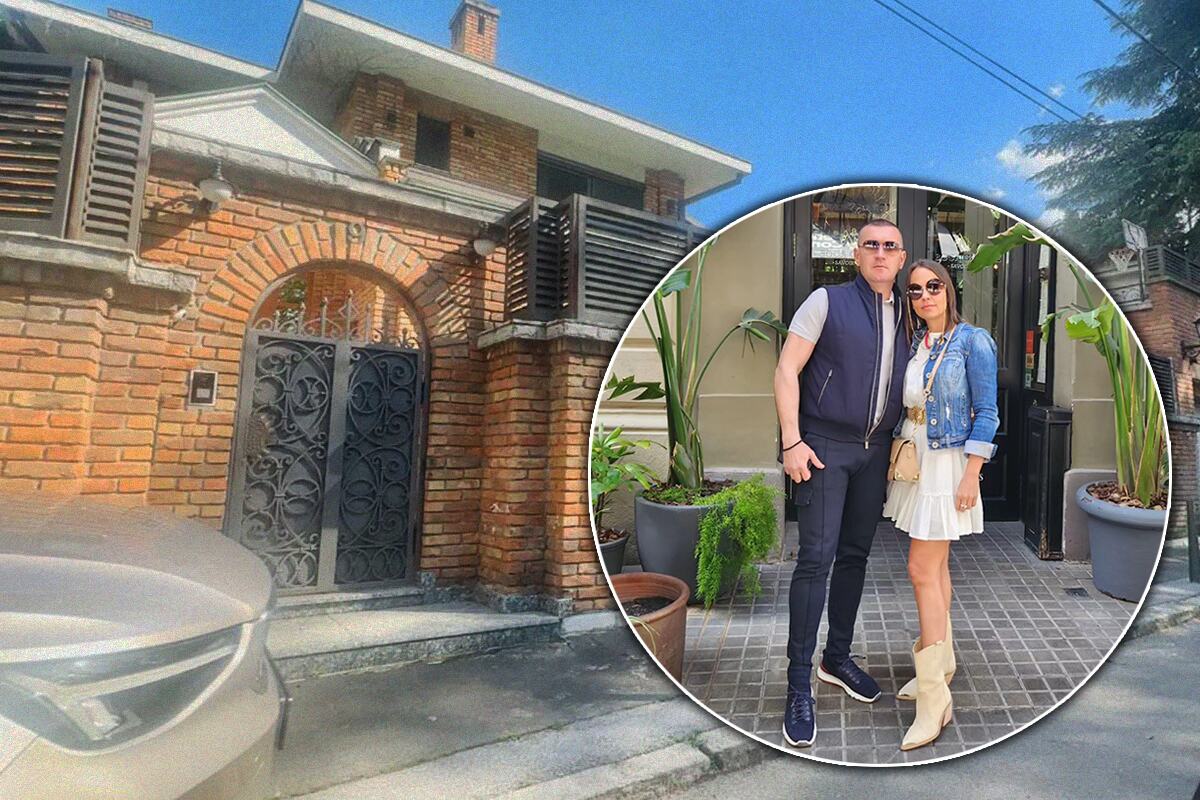
As the manhunt widened, the state moved on money and uniforms. The Special Department for Suppression of Corruption ordered a financial probe into Vuković and his family, targeting property worth more than €2.5 million, including a “luxurious villa” just 400 meters from restaurant “27,” bought over the last decade. His wife Danka, whose social media flaunted “a glamorous life, luxury hotels, and designer clothes,” is simultaneously suspected of bringing the murder weapon.
Inside the police, heads began to roll. Pro‑government media trumpeted: “FIRINGS BEGIN IN POLICE OVER NEŠOVIĆ’S MURDER! Nemanja Đuran removed from service,” reporting that the former deputy head of the Criminal Police Directorate (UKP) was sacked after being questioned as a citizen about post‑crime communications, including with main suspect Vuković. Another outlet more blandly noted: “Former Head of Criminal Police Directorate Questioned About Disappearance of Aleksandar Nešović,” citing prosecutors who said he was heard only to gather information, with no proceedings yet opened against him.
In parallel, a sweeping financial investigation into Vuković’s assets and those of his associates runs alongside the murder probe and the arrest of ten suspects – including Vuković, his wife, three police officers, the restaurant owner and staff – for crimes ranging from aggravated murder to illegal weapons and aiding the perpetrator.
Pro‑government line: “no protected individuals,” damage control
The official narrative leans hard on cleanup and control. Belgrade police director Dragan Vasiljević insists that “there will be no protected or untouchable individuals” and that “everyone who has anything to do with this case will be prosecuted,” regardless of whether they are MUP officers or from “any other security service.” He concedes it is “not pleasant” that police may be implicated in such a serious crime but vows this will “show the strength of the system” and prove that no individual stands above institutions.
A Kurir TV segment on the third day of the search echoes the same defensive line: “Police officers have never been allowed to do anything other than their own job,” framing alleged rogue behavior as a deviation from a basically sound service.
Telegraf’s editorial, “CASE ‘SENJAK’ SHAKES SERBIA: It’s time to draw a clear line and defend the professionalism of the service!”, amplifies that message while acknowledging the blow to the state. Analysts warn that involvement of “high‑ranking officials in criminal structures has dealt a huge blow to the state’s reputation,” even as they argue that the answer is to purge a corrupt minority and “defend the professionalism of the service,” not smear every officer.
Opposition and legal view: body or not, the state is exposed
From the opposition‑aligned press, the tone is less forgiving. Lawyer Branislav Tapušković stresses that the trial “cannot be hindered if the body of the murdered Aleksandar Nešović is not found,” given eyewitnesses who saw him shot on the spot. The line “no body, no murder” will not fly, he says: “If there were people on the scene who saw that the man was shot, then it is clear that there is enough evidence that a murder was committed… That the body is missing cannot be a problem for the court process; it only aggravates the responsibility of those who removed it.”
His most stinging remark cuts at the heart of the scandal: it is “simply unbelievable that in the presence of a police commander… such a thing could have happened” in restaurant “27,” a barely veiled reference to senior officer Veselin Milić. For Tapušković, the case is not just about a mob hit, but about how deeply the state’s own guardians were entangled in the crime and its cover‑up.
As divers keep dragging Jarkovačko Lake and base station maps trace night‑time drives through Srem, the real body on the line is the credibility of Serbia’s security apparatus – and whether a system that claims it will tolerate “no protected individuals” can prove it when the suspects wore its own badges.
Write a comment