Dozens of Piggy Banks Wash Ashore on Texas Coast
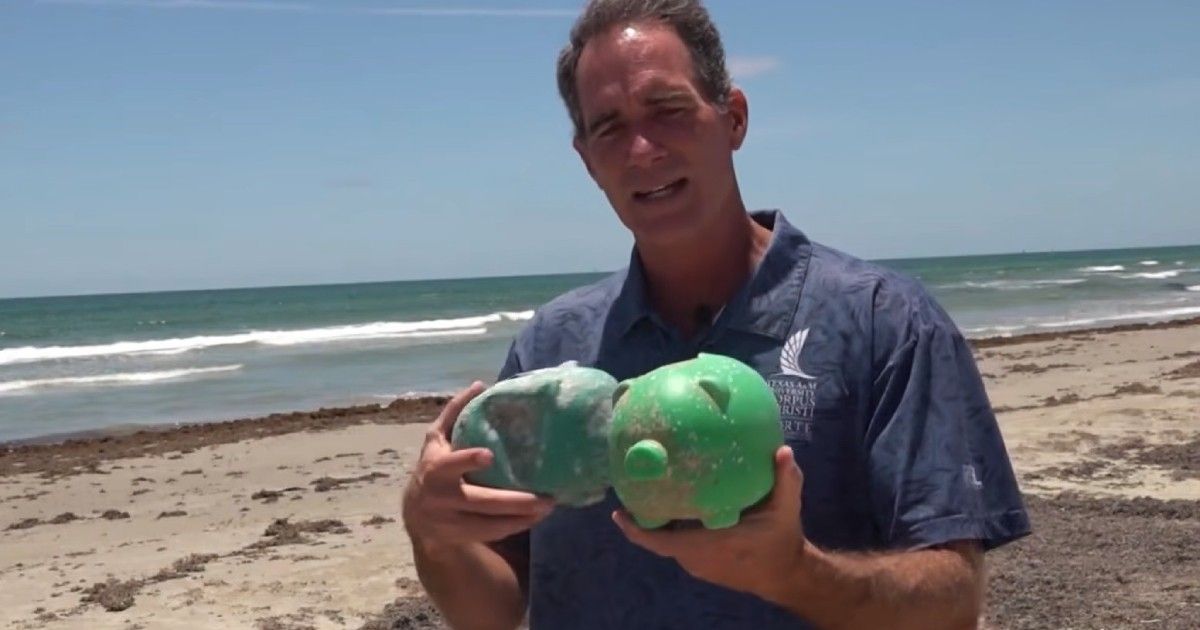
Dozens of Piggy Banks Wash Ashore on Texas Coast Dozens of smashed, empty piggy banks washing up on the quiet beaches of South Texas sounds like a children’s story gone wrong—but for local scientists, it’s a real-life mystery with an environmental sting.
A strange trail of plastic pigs
The story starts with biologist Jay Tanel walking his usual research stretch of coastline when something bizarre caught his eye: wave after wave of stranded plastic pigs. One Serbian outlet framed the moment bluntly: “He walked casually on the beach when he saw a pile of this: He was stunned by what people are throwing away en masse”.
By the time the story reached regional and then international media, the count had climbed to more than 60 so‑called “defective” piggy banks on South Texas beaches. On one day alone, Tanel found 14 of them jutting out of the sand.
From curiosity to environmental case file
As photos spread, the narrative shifted from quirky oddity to scientific puzzle. A report noted that a Texas beachcomber had pulled “more than fifty piggy banks out of the Gulf of Mexico” and that “no one is quite sure where they came from”.
Tanel’s field observations added a darker twist: “There are over 60, all cut open,” he said, stressing that every bank had been sliced because “there is no other way to get the money out. People just throw them away.” None of the piggy banks contained cash when found.
Competing theories, shared blame
Investigators and commentators now circle around two main explanations. One is industrial: “a lost shipping container, as thousands end up in the sea every year”. The other is slower, more damning—land-based dumping, where plastic waste slips into rivers and then the ocean.
In either case, the pro‑government tone in regional coverage underscores the official line: authorities are “investigating the origin of these items and the reasons for their appearance in the ocean”. But the sight of empty, butchered piggy banks bobbing ashore may already have delivered the verdict: whatever the logistics, the culprit is disposable consumption, paid for in plastic.
Write a comment