NIS Invests 4.9 Billion Dinars in Oil and Gas Exploration
NIS Invests 4.9 Billion Dinars in Oil and Gas Exploration NIS is pouring money into the ground again—literally—betting billions of dinars that Serbia’s aging oil fields can still deliver at a time of volatile regional energy politics and pressure to secure domestic supplies.
In the first quarter of 2026, the Petroleum Industry of Serbia (NIS) funneled 4.9 billion dinars into oil and gas exploration and production, a staggering 78% of all company investments over the period. Pro-government outlets frame this as proof of strategic commitment rather than short-term profit chasing.
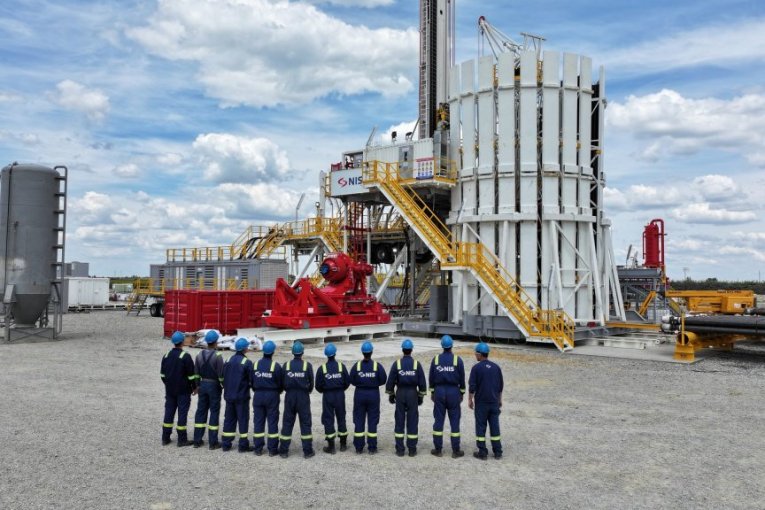
By January–March, the spending was already translating into barrels. New wells, combined with a raft of geological and technical works, added 13,500 tons of oil output, much of it driven by fresh horizontal drilling on the Velebit oil field. Total Q1 production across all NIS assets hit 280,000 conditional tons of oil and gas, an outcome boosters present as a win for both Serbia and its regional clout.
Executives pitch the push as resilience under pressure. In what they describe as “complex circumstances,” NIS managers argue that the Q1 program marked “an important step forward in strengthening production activities” and stress a continued focus on efficient resource management and “modern technological solutions” to secure the company’s long‑term sustainability.
From the pro-government perspective, the narrative is neatly aligned with national strategy. NIS is repeatedly highlighted as the only company in Serbia engaged in oil and gas exploration and production, with environmental protection labeled a priority and operations stretching beyond Serbia into Romania, Bosnia and Herzegovina, and Angola, where its oldest foreign concession has been running since 1985.
What’s missing—for now—is any serious domestic pushback in the public record: no opposition voices questioning the climate cost of doubling down on fossil fuels, and no transparency fight over how these billions are allocated. In the official storyline, this is all about investment, efficiency, and Serbian energy security—full stop.
Write a comment