Air Raid Alert in Lithuania; President, Prime Minister Evacuated to Shelters
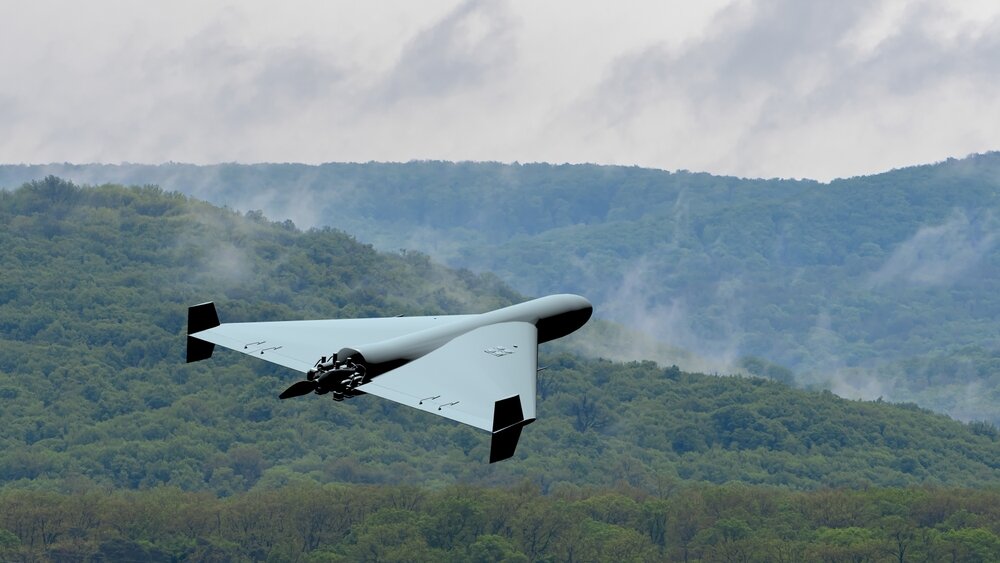
Air Raid Alert in Lithuania; President, Prime Minister Evacuated to Shelters An ordinary weekday morning in Lithuania turned into a high-stakes stress test for NATO’s eastern flank, as a suspected drone near the Belarusian border triggered air raid sirens, grounded planes, and sent the country’s top leaders underground.
How the scare unfolded
Early Wednesday, Lithuanian radars picked up a “suspicious signal” with characteristics of a drone coming from Belarusian territory, first over the eastern districts of Ignalina, Utena, Zarasai and Švenčionys. Authorities initially declared a yellow alert, meaning an attack was “probable, but not yet underway.”
As the object was later reported near the capital region, the alert was raised to the highest, red level and NATO air patrol aircraft were scrambled. The Lithuanian armed forces issued a dramatic call for residents of Vilnius and surrounding areas to “immediately seek shelter or head to safe places.”
Vilnius airport shut its airspace for about an hour, suspending flights and diverting at least two international services to Riga, while rail traffic was halted in several parts of the country and passengers evacuated from Vilnius station.
Power in the basement
In a first for an EU member state since Russia’s full-scale invasion of Ukraine in 2022, Lithuania’s president Gitanas Nausėda and prime minister Inga Ruginienė were rushed to underground shelters, along with their offices and the entire parliament, whose members and staff were moved to the building’s basement.
Pro-government outlets leaned into the drama, blasting headlines about “PANIC IN NATO COUNTRY” and leaders “URGENTLY EVACUATED” as the army “scrambles planes” and warns citizens. They stressed the episode as a necessary show of readiness, likening it to recent drone incidents over Latvia and Estonia.
Opposition asks: threat or theatre?
More critical coverage highlighted a key caveat from the National Crisis Management Center: drones were detected flying in Belarus toward Lithuania, but “no drones were observed over Lithuania” itself. That framing cast the shutdown and evacuations less as imminent attack, more as maximum caution—and raised quiet questions about whether the government dialed the fear meter to 11 for a threat that never crossed the border.
By late morning, the nationwide warning was lifted, flights and trains slowly resumed, and Lithuania was left with an uneasy aftertaste: deterrence on display, but also a reminder of just how close the region is to the edge.
Write a comment