Parliamentary Elections Held in Armenia
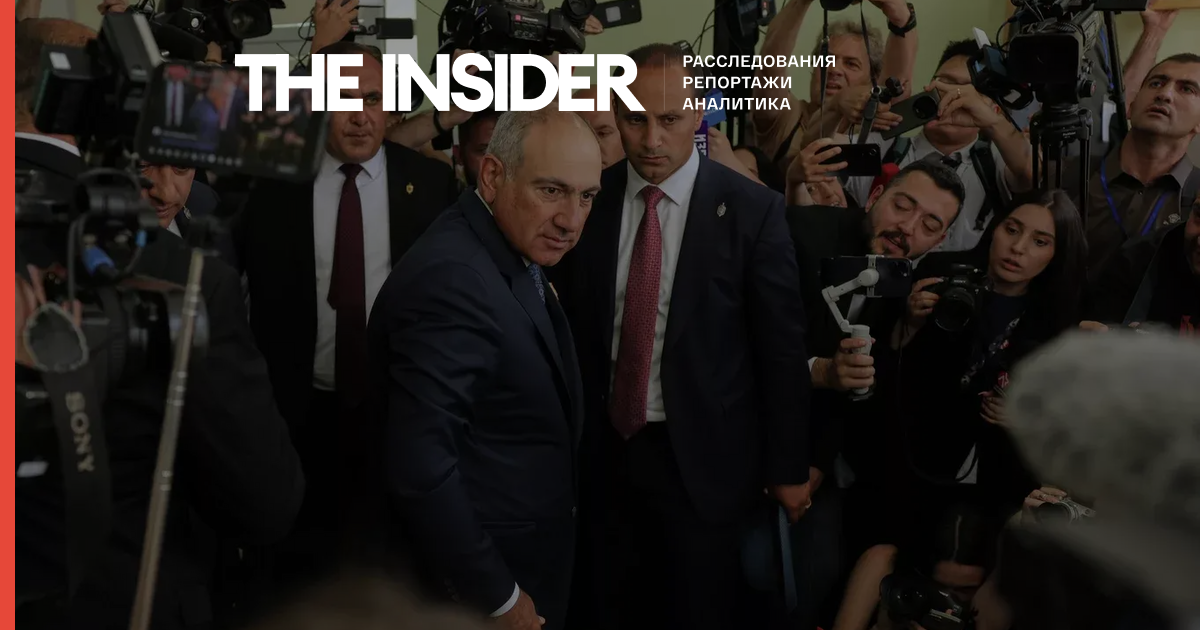
Parliamentary Elections Held in Armenia Armenia’s parliamentary elections are less about who gets which seat, and more about which flag flies over Yerevan’s future—Brussels’ blue, or Moscow’s tricolor shadow.
Two stories about the same ballot
From the government’s corner, this is a normal democratic milestone with high stakes but familiar rules. State-aligned outlets stress that “Parliamentary elections to be held in Armenia” will decide whether Nikol Pashinyan’s Civil Contract party can secure a third electoral mandate. Another sympathetic framing casts it as a “Polls Open in Pivotal Armenian Election,” highlighting over 2.4 million eligible voters and 18 competing political groups in a contest that could “determine the future course” of Armenia’s foreign policy as it leans toward the EU and US and away from Russia.
In this telling, the vote is a sober test of Pashinyan’s leadership and a referendum on his westward drift, not a crisis of democracy.
Opposition: high turnout, higher suspicion
Critics and independent outlets see the same numbers and hear alarm bells. They note that “Parliamentary elections have started in Armenia” with nearly 2.5 million eligible voters and 18 political forces on the ballot, but frame the race as a fierce struggle among Civil Contract, Samvel Karapetyan’s Strong Armenia, and Robert Kocharyan’s Armenia bloc, against a backdrop of souring ties with Moscow and Russian import bans hitting the economy.
Another report points to a morning turnout of 14.48%—the highest by that hour since at least 2012—casting it as evidence of a mobilized and anxious electorate rather than routine enthusiasm. It underscores that Strong Armenia champions closer alignment with Russia while Pashinyan’s Civil Contract pushes EU integration, with polls so contradictory, and undecided voters so numerous, that no camp can credibly claim momentum.
Shared facts, divergent futures
Both sides agree on the mechanics: over two thousand polling stations, domestic-only voting, and a 4–10% threshold ladder for parties and blocs. But where the government narrative sells continuity and geopolitical “rebalancing,” the opposition reads the same ballot as a last-ditch fight over whether Armenia breaks from Moscow—or just gets squeezed by it.
Write a comment