Patriotic Questions Added to Russia's Unified State Exam in English
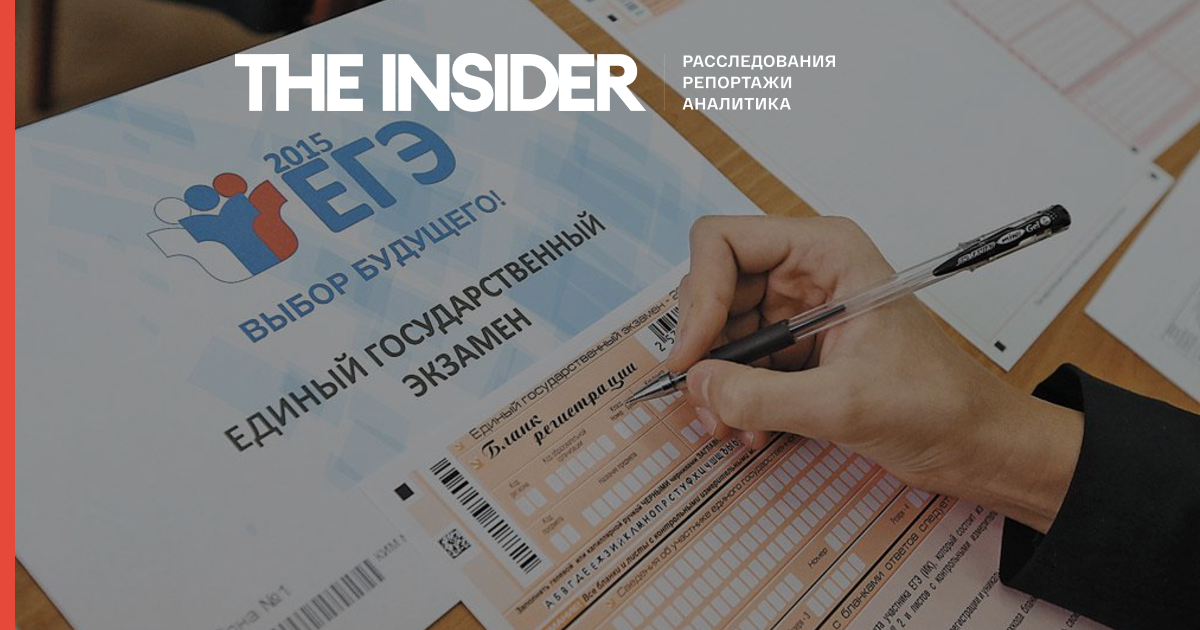
Patriotic Questions Added to Russia’s Unified State Exam in English Russian teenagers expected to talk about hobbies and climate change in their English exam. Instead, they were quizzed on the ideological meaning of Victory Day.
Patriotic turn vs. pedagogical norms
Opposition-leaning outlets describe the new English Unified State Exam tasks as a stealth rewrite of the exam’s very purpose: from testing language to testing loyalty. The written section suddenly required students to explain the origins and significance of Victory Day, National Unity Day, Russia Day, Defender of the Fatherland Day, May 1 and more, in English. One task reportedly asked, “What does this holiday commemorate?”—using commemorate, a C1-level word that “should not appear in school exams,” according to some teachers.
Tutors say they had prepared students for neutral, global themes like “hobbies, sports and environmental problems,” not state holiday catechism. Graduates admitted they “were not ready for such tasks,” likening the exercise to a surprise history test smuggled into a language paper.
Soviet déjà vu vs. ‘real-world English’
Critics argue the change is part of a broader patriotic pivot in Russian education. One tutor scoffed at the idea of defining the goal of language study as “to tell a foreigner about local holidays,” calling it “something from the Soviet era.” For them, this is not cultural enrichment but soft propaganda: English used as a vehicle to rehearse state-approved narratives.
Yet the official logic, while unstated here, is easy to infer: if students must write in English anyway, why not have them describe core national symbols and dates? On paper, that sounds like real-world communication. In practice, the opposition press sees a different exam emerging—one where the correct answer is not just grammatically sound, but ideologically aligned.
Write a comment