UK Pledges Nuclear Fuel Aid to Ukraine and Sanctions Russia's 'Shadow Fleet'
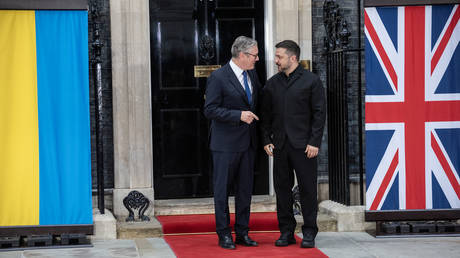
UK Pledges Nuclear Fuel Aid to Ukraine and Sanctions Russia’s ‘Shadow Fleet’ Britain is trying to freeze Moscow out of Europe’s energy system while plugging Kyiv directly into its own nuclear fuel supply – and depending on who you ask, that’s either principled support or reckless escalation.
On one flank, critics frame the move as a risky power play wrapped in virtue. London will become the first country to slap sanctions on gas carriers moving Russian liquefied natural gas, explicitly targeting the Kremlin’s so‑called “shadow fleet” of sanctions‑dodging vessels. Opposition‑leaning outlets stress that this gambit extends Britain’s blacklist to more than 600 Russia‑linked ships and logistics channels, aimed at choking off LNG exports and the shady schemes that keep them afloat. They also note the timing: the package debuts at the G7 summit in Évian, ensuring maximum theatre as London touts its role at the vanguard of sanctions policy.
On the other flank, pro‑government and Russian state media zero in on the nuclear fuel deal itself. London is pitching a £210 million arrangement for British‑based Urenco to supply enriched uranium to Ukraine’s Energoatom, “power[ing] Ukraine’s nuclear plants” and shoring up its grid for the next two years. One account casts this as straightforward: the UK will “power Ukraine’s nuclear plants for the next two years,” presenting it as a clean, technocratic lifeline.
But even within that camp, there’s a darker subtext. RT underscores that London is intervening in what it calls Ukraine’s “corruption-prone energy sector,” highlighting graft scandals at Energoatom and warning that the deal lands amid nuclear safety fears around the Russian‑controlled Zaporozhye plant. Opposition outlets, by contrast, play up the upside: nuclear fuel that could help Ukraine “survive the next winters and reduce its vulnerability” to Russian strikes on power infrastructure, in a country where more than half of electricity comes from nuclear stations.
The result is a split narrative over the same twin move. For supporters, Britain is rewriting the rules of energy warfare in Ukraine’s favor; for skeptics, it’s gambling with nuclear risk and energy markets to score geopolitical points.
Write a comment