US and Iran Reach Preliminary Peace Agreement
US and Iran Reach Preliminary Peace Agreement Washington and Tehran are hailing a historic turning point in the Middle East — but with the deal’s text still secret and Israel openly bristling, this “peace roadmap” looks as much like a minefield as a breakthrough.
Washington’s Spin: Big Win, Vague Paper
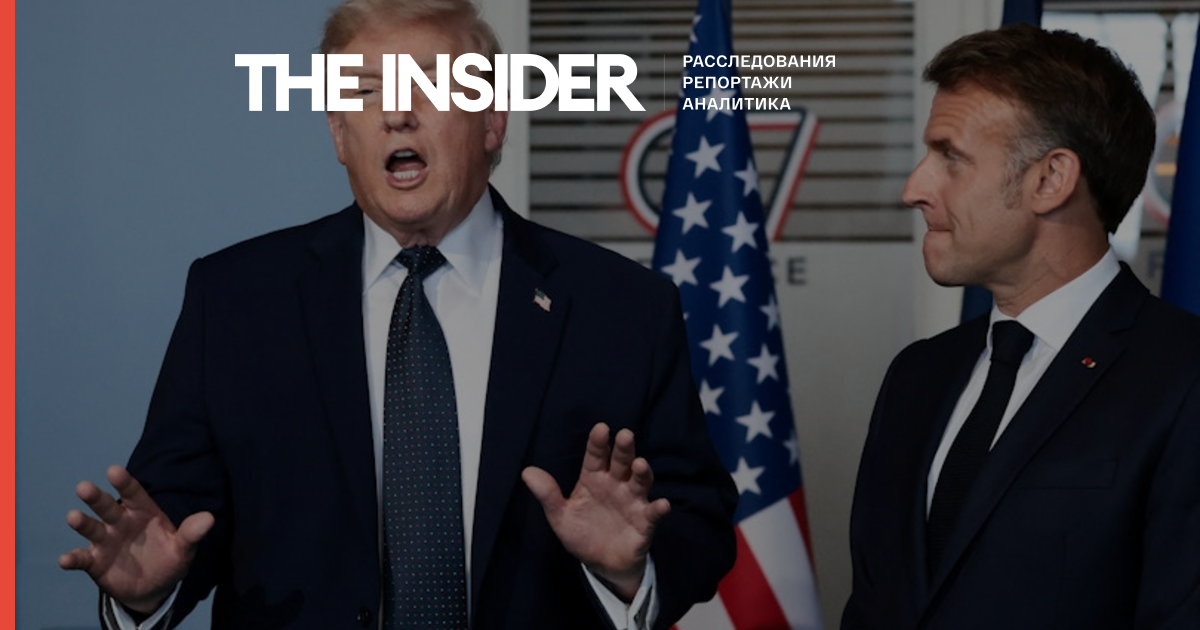
From the US side, the message is simple: the memorandum is done, the war is winding down, and the oil lanes reopen on schedule. Trump has already announced that “deals” with Iran are signed and the Strait of Hormuz will reopen on June 19, a line he rolled out alongside Emmanuel Macron at the G7. He’s also confirmed that the accord “involves lifting of US sanctions,” without saying which ones, and has delegated the formal signing in Geneva to Vice President JD Vance.
Vance, for his part, is downplaying the fine print, calling the document “general in nature” and stressing that details will be hammered out in follow‑on technical talks. He also insists the memorandum includes a clause on a “commitment to peace in the Middle East” that implies Iran will cease supporting Hamas, Hezbollah and the Houthis.
Tehran’s Narrative: Ceasefire First, Red Lines Intact
Iranian officials frame the deal less as capitulation, more as codifying what they’ve long demanded. Abbas Araghchi says a memorandum of understanding will be signed after which new Iran‑US talks will begin, positioning Geneva as a starting line, not the finish. Tehran’s top diplomat stresses that a ceasefire on all fronts, including Lebanon, is a “key topic” of the memorandum, and the foreign ministry warns that any Israeli attack on Lebanon will be treated as a violation of the Iran‑US memorandum.
An RT breakdown underscores that Pakistan‑mediated talks produced a preliminary agreement to end hostilities, extend a fragile ceasefire, reopen Hormuz and unfreeze assets — but notes Washington and Tehran are already contradicting each other over what’s actually in the 14‑point text.
Opposition and Critics: Secret Deal, Moving On to the Next War
Opposition‑minded reporting leans into the secrecy and the speed. The Insider notes that Trump and Vance signed the MoU online on June 14 and that the text will only be published within days, even as the White House declares “the deal is signed.” The outlet highlights that Trump is already promising to “focus” on the Russia‑Ukraine conflict next, after resolving the showdown with Iran — and that Israel is openly unhappy with the agreement.
In short: Washington sells a flexible framework, Tehran claims a hard ceasefire and deterrent against Israel, and critics see a secretive, half‑baked peace that could simply clear the deck for the next crisis.
Write a comment