Russian Court Sentences Gay Bar Employees Under 'LGBT Extremism' Law
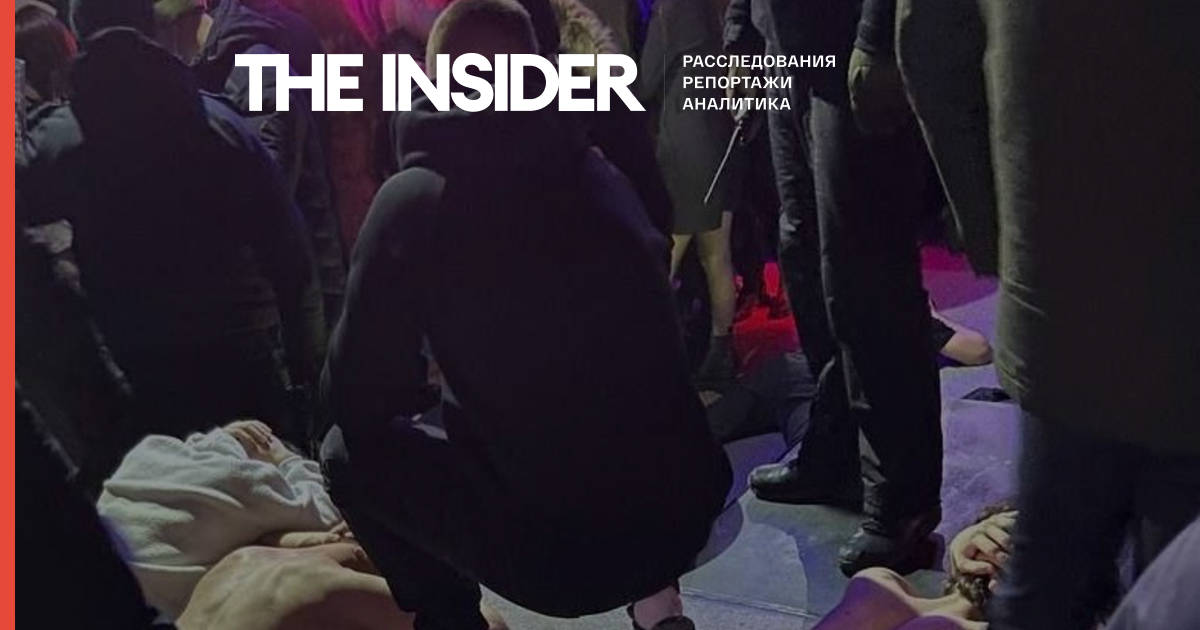
Russian Court Sentences Gay Bar Employees Under ‘LGBT Extremism’ Law Russia has turned a single gay bar into a test case for its new anti-LGBT crackdown — and the verdict is meant to intimidate far beyond one provincial club.
What happened in Orenburg
A court in Orenburg has handed real prison terms to three employees of the Pose bar in the first known criminal case under Russia’s ban on an “extremist LGBT movement.” Sentences range from two years and three months for art director Alexander Klimov to seven years for owner Vyacheslav Khasanov, with administrator Diana Kamilyanova getting six years and three months.
Investigators argued the trio “organized and participated in the activities of an extremist organization” by running events “united by a common theme of demonstrating affiliation with persons of non-traditional sexual orientation.” Evidence cited included drag performances, Telegram posts that “promoted LGBT relationships,” and simply keeping the bar open as a gathering space.
The state’s narrative vs. the critics’ view
Officially, the case flows directly from the Supreme Court’s designation of an “international LGBT movement” as extremist, turning everyday cultural life into potential criminal exposure. Police and the Interior Ministry framed the March 2024 OMON raid on Pose as shutting down a venue “where members of a movement banned in the Russian Federation had gathered,” after a denunciation from a nationalist group.
Opposition and independent outlets describe something very different: a show trial built on a “non-existent ‘extremist LGBT movement’” and a law so vague it criminalizes identity itself. They stress that none of the defendants admitted guilt and that the case is the “first known criminal case” and “first sentence” under the new framework — a legal precedent designed to be replicated.
The bigger contrast
For the Kremlin system, Pose is a propaganda proof-of-concept: culture equals extremism, community equals conspiracy. For its critics, it’s a warning shot — proof that Russia’s LGBT ban isn’t symbolic culture war but a pipeline from nightlife to a penal colony.
Write a comment