Three Arrested in Volgograd for Filming Aftermath of Missile Strike
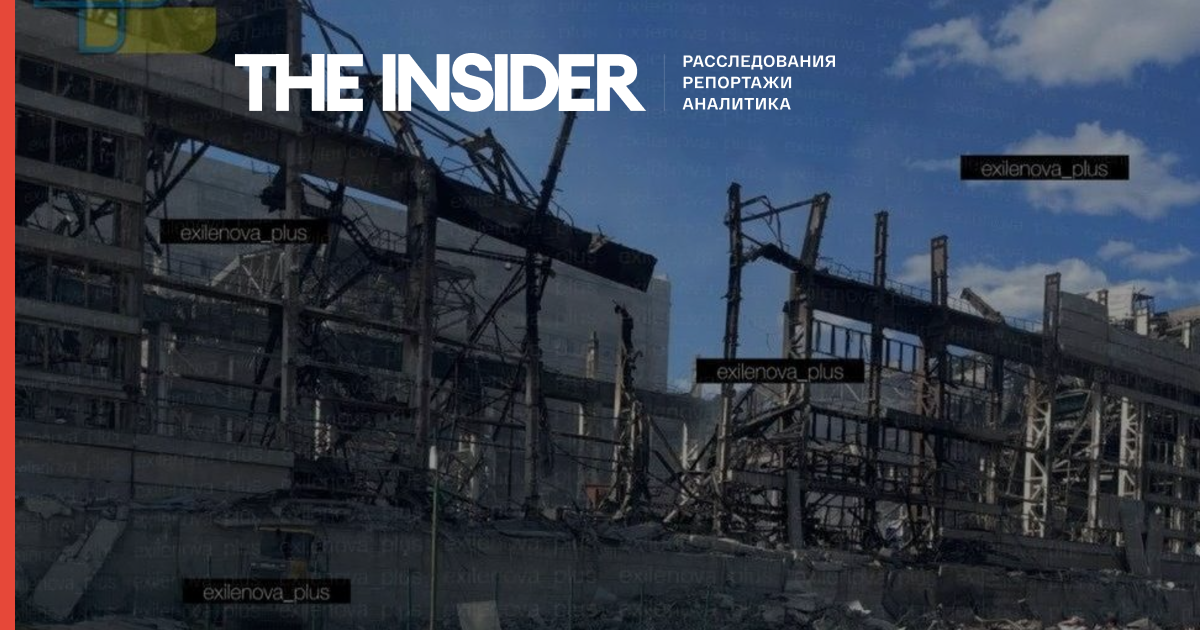
Three Arrested in Volgograd for Filming Aftermath of Missile Strike Russian missiles weren’t the only thing falling in Volgograd — so did the hammer of the state on anyone who dared to film the aftermath.
On one side, law enforcement treated three locals with smartphones as potential traitors. Security forces “detained three residents of Volgograd who filmed the aftermath of a missile attack on a military plant,” according to independent outlet Novaya Gazeta Europe, which notes authorities are weighing treason charges carrying up to 20 years in prison. At least three people were taken in after recording or sharing footage of yesterday’s strike on the city, regional media reported via law-enforcement sources.
On the other side, the detainees look less like spies and more like ordinary people caught in a surveillance state. One woman said she sent a video of the incoming missile to a work chat; another forwarded it to relatives and friends. A young man posted a clip of “two missiles and a drone” to his tiny Telegram channel of just 60–70 subscribers. All three insist they acted on their own initiative, received no payment, and in the Interior Ministry video confess, apologize, and promise “not to do it again.”
The state’s narrative frames this as information control in wartime: officials warn that publishing photos or videos of strike consequences can be prosecuted as state treason, with sentences of 12–20 years. Opposition-leaning outlets, by contrast, present it as a stark example of repression, where documenting reality around a hit on the Titan-Barrikady defense plant — which produces launchers and components for “Yars,” “Topol-M,” “Sarmat,” and “Iskander” systems — becomes a crime.
The missiles hit a strategic target. The arrests hit a strategic nerve: in today’s Russia, the battlefield increasingly includes the camera roll on your phone.
Write a comment