Iran and the US both think they are winning the war. The truth is they are both losing
The ceasefire has held just enough to prevent a return to all-out war, but neither side is close to achieving peace
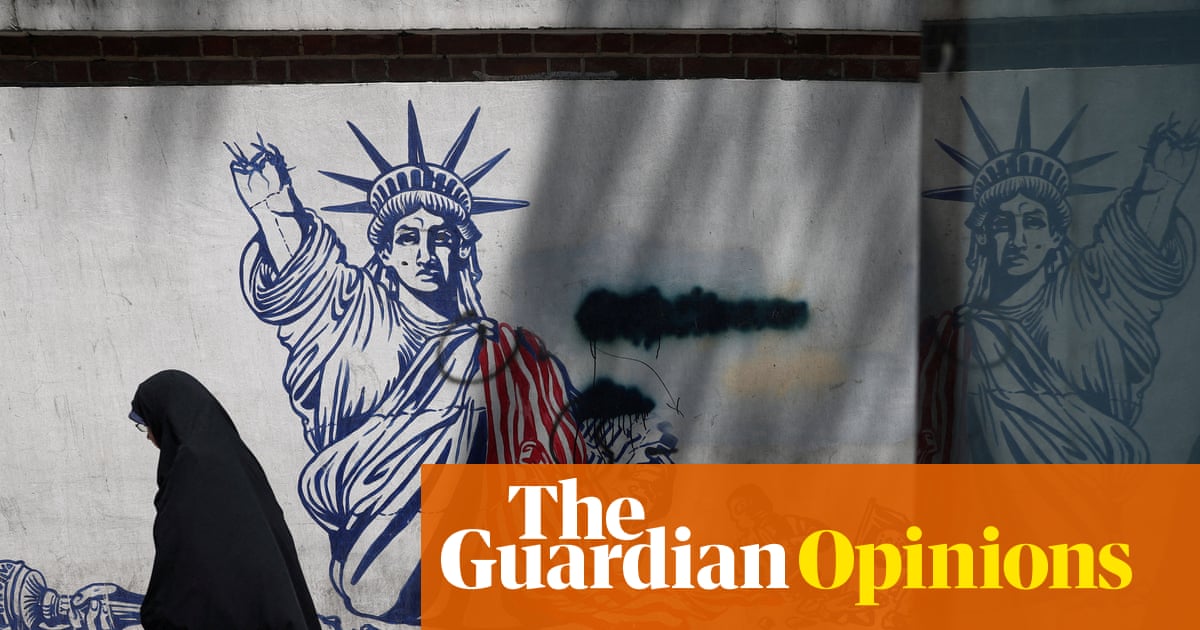
Iran and the US both think they are winning the war. The truth is they are both losing The US-Iran ceasefire, initiated on April 8th, is experiencing renewed escalation with strikes and retaliation between the two nations and their allies, risking a prolonged Middle East stalemate with significant global consequences. Four obstacles—lack of trust, absence of meaningful contact, a gap in what each side needs, and domestic political pressures—are hindering progress towards a resolution. Despite both sides believing they are winning, the reality is that both are losing strategically, economically, and politically, facing a dangerous period where the ceasefire prevents total war but fails to establish peace.
- The US-Iran ceasefire, in effect since April 8th, is facing increased escalation, with strikes and retaliation between the two countries and their allies.
- Four key obstacles preventing progress are lack of trust, absence of direct communication, differing needs (guarantees vs. headlines), and domestic political sensitivities.
- Both the US and Iran believe they are gaining leverage and that time is on their side, yet the article argues both are actually losing.
- For the US, the costs are political, economic, and strategic, with a volatile ceasefire impacting energy markets and allies.
- For Iran, despite surviving pressure, economic hardship (77% inflation, devalued rial) and unresolved domestic grievances persist.
- The current situation is a dangerous stalemate where the ceasefire prevents all-out war but does not foster peace, with potential for further escalation.
- A narrow window exists for Washington and Tehran to transition the pause into a political process through direct communication, compromise, and bold leadership.
Write a comment