How much should you pay for an ethically made T-shirt?
A higher price does not necessarily mean better fabric, fairer pay for workers or greater sustainability. To guarantee you’re buying ethically, experts say, you need to dig a little deeper
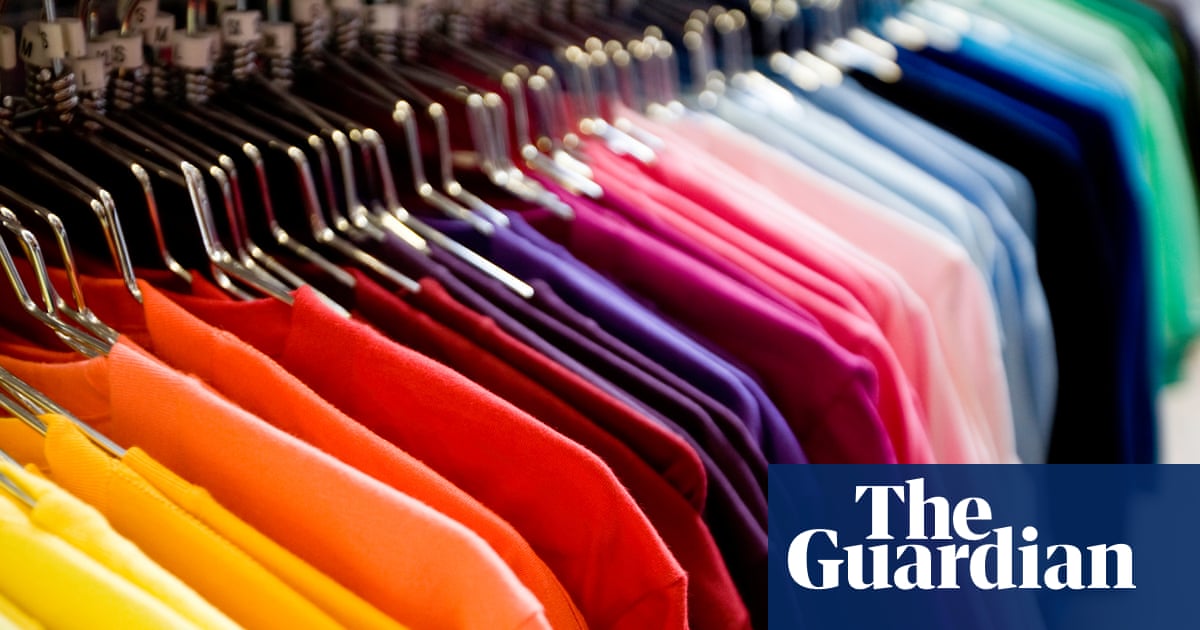
How much should you pay for an ethically made T-shirt? The price of a T-shirt is not a reliable indicator of ethical production, as higher costs can reflect branding and marketing rather than improved labor or environmental standards. While a very low price is a strong warning sign for potential ethical issues, experts suggest looking beyond price tags for transparency in supply chains and sustainable practices. Buying secondhand is presented as a guaranteed way to avoid increasing demand for new, unethically made clothing.
- Price is not a reliable indicator of ethical production; many premium brands charge more without demonstrating improved worker or environmental conditions.
- Higher retail prices can be attributed to branding, marketing, and retailer margins, not necessarily better labor or environmental standards.
- Research indicates that price has no bearing on durability, a factor in sustainability.
- A very low price is a strong warning sign, as it can be challenging to produce a garment ethically while ensuring fair wages at every step of the supply chain.
- Low-priced fast fashion often fails on labor and environmental grounds, with T-shirts priced too low to accommodate living wages and responsible sourcing.
- Some affordable brands achieve competitive pricing for ethical production through large-scale manufacturing, low margins, and direct-to-consumer sales.
- Brands that pay the ‘true cost’ of fashion are generally more expensive due to ethical and sustainable practices.
- Certified organic cotton offers some guarantees regarding environmental and worker treatment, but does not cover the entire supply chain.
- Buying secondhand is a great option as it does not increase demand for new clothing and is usually more affordable.
Write a comment