‘Waste colonialism’: Fiji says no to Australian billionaire’s incineration plan
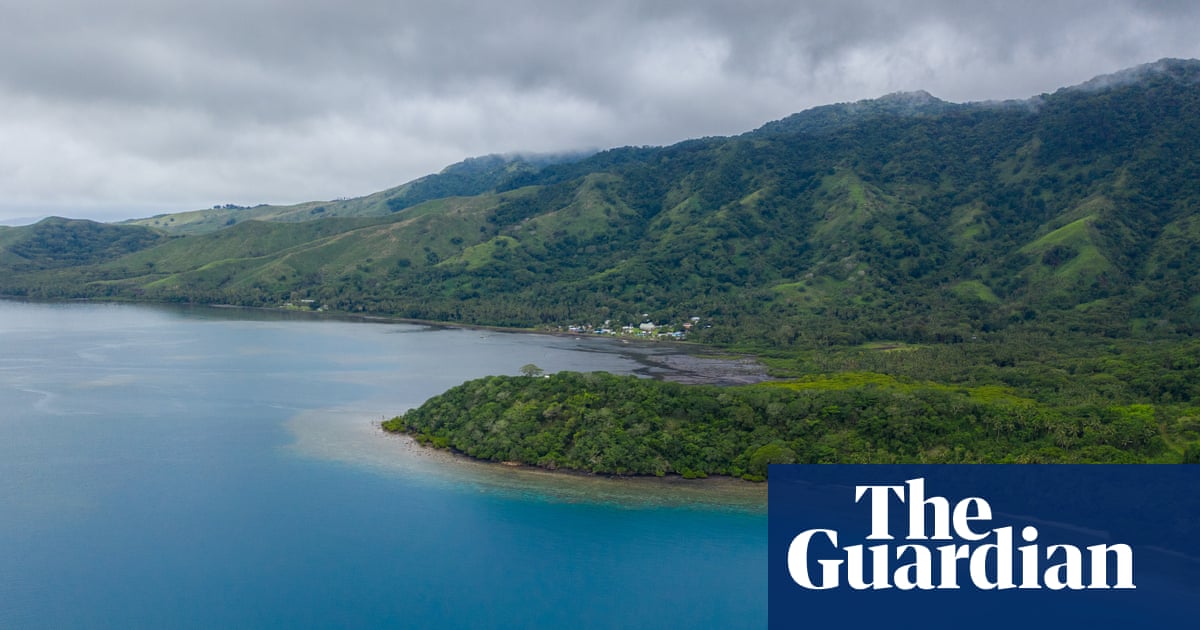
‘Waste colonialism’: Fiji says no to Australian billionaire’s incineration plan Fiji’s government has rejected a proposal from The Next Generation Holdings (TNG) to build a waste-to-energy plant and private port, citing concerns over the project’s scale, imported waste, hazardous ash management, public health risks, and unresolved questions about its impact on tourism and the environment. The plan by Australian billionaires Ian Malouf and Rob Cromb had promised to meet a significant portion of Fiji’s electricity needs but an environmental impact statement indicated it would also raise national emissions by 25%. The decision followed significant local opposition, with villagers labeling the plan “waste colonialism” and Fiji’s ambassador to the UN stating the coast “must not become the Pacific’s ashtray.”
- Fiji’s government rejected The Next Generation Holdings’ (TNG) proposal for a waste-to-energy plant and private port.
- The plan involved shipping non-recyclable rubbish from the region to Fiji for incineration.
- Opposition came from traditional landowners and tourism operators who feared environmental and health risks.
- Villagers labeled the plan “waste colonialism.”
- The Ministry of Environment cited issues with the project’s scale, imported waste, hazardous ash management, and public health risks.
- Unresolved questions over the impact on tourism, the environment, and the economic case also contributed to the rejection.
- The proposal, by Australian billionaires Ian Malouf and Rob Cromb, claimed it could meet 40% of Fiji’s electricity needs.
- An environmental impact statement showed the project would raise Fiji’s national emissions by 25%.
- Ian Malouf had a similar waste-to-energy incinerator rejected in Sydney in 2018 due to human health risks.
Write a comment