Japan World Cup 2026 team guide
Impressive results have fuelled belief that Hajime Moriyasu’s side can not just survive against the best but beat them too
Japan World Cup 2026 team guide Japan’s national football team has evolved under coach Hajime Moriyasu, moving beyond upsets to consistently challenge and defeat elite global opponents, fostering a strong belief in their World Cup potential. The squad exhibits tactical flexibility, defensive solidity, and potent attacking threats, exemplified by players like Takefusa Kubo and Ayase Ueda. Despite facing a challenging Group F, the team’s depth and cohesive unit mentality suggest they are well-prepared to compete at the highest level.
- Japan has achieved historic victories against Germany, Spain, Brazil, and England, demonstrating their capability to compete with and defeat top-tier teams.
- Head coach Hajime Moriyasu has developed a tactically flexible squad, often employing a 3-4-2-1 formation but experimenting with others, and emphasizing aggressive pressing.
- Key attacking players include Feyenoord’s Ayase Ueda, who was the Eredivisie’s top scorer, and Takefusa Kubo, known for his playmaking ability.
- The team boasts a strong spine with goalkeeper Zion Suzuki and defenders like Hiroki Ito. Squad depth is high, with experienced players often starting on the bench.
- Injuries to key players like Takumi Minamino and Kaoru Mitoma are considered manageable due to the team’s overall strength.
- Group F opponents are the Netherlands, Tunisia, and Sweden, presenting a tough but manageable challenge.
- Moriyasu’s coaching philosophy emphasizes harmony, discipline, and continuity, aiming to change the perception that Japan cannot excel in a contact sport.
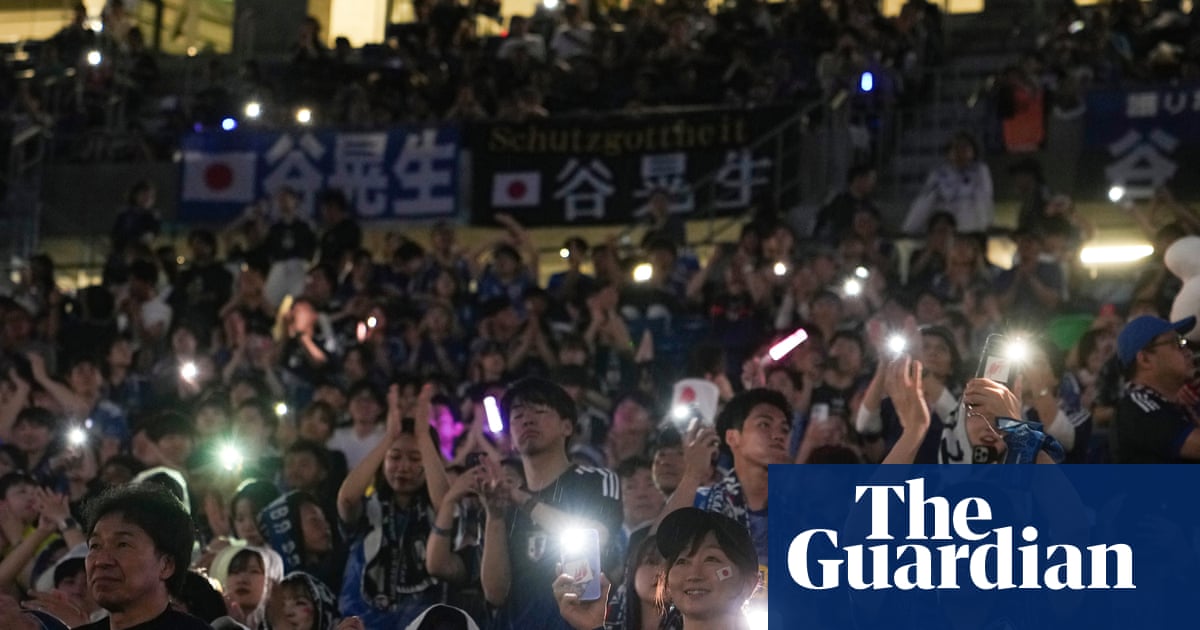
- Japan’s supporters are recognized for their discipline, organization, and respect for opponents, including their habit of cleaning stadiums.
- The Japan Football Association is unlikely to make political statements, aligning with a tendency to avoid controversy and respect host nations.
- Hiroki Ito’s move to Bayern Munich signifies the changing landscape of Japanese football.
- Zion Suzuki, despite past inconsistencies and injury, is seen as a potential long-term goalkeeper for the national team.
Write a comment