How England’s largest forest went from commodity to conservation haven
Kielder in Northumberland is balancing commercial production with conserving peatland and rare plants and animals
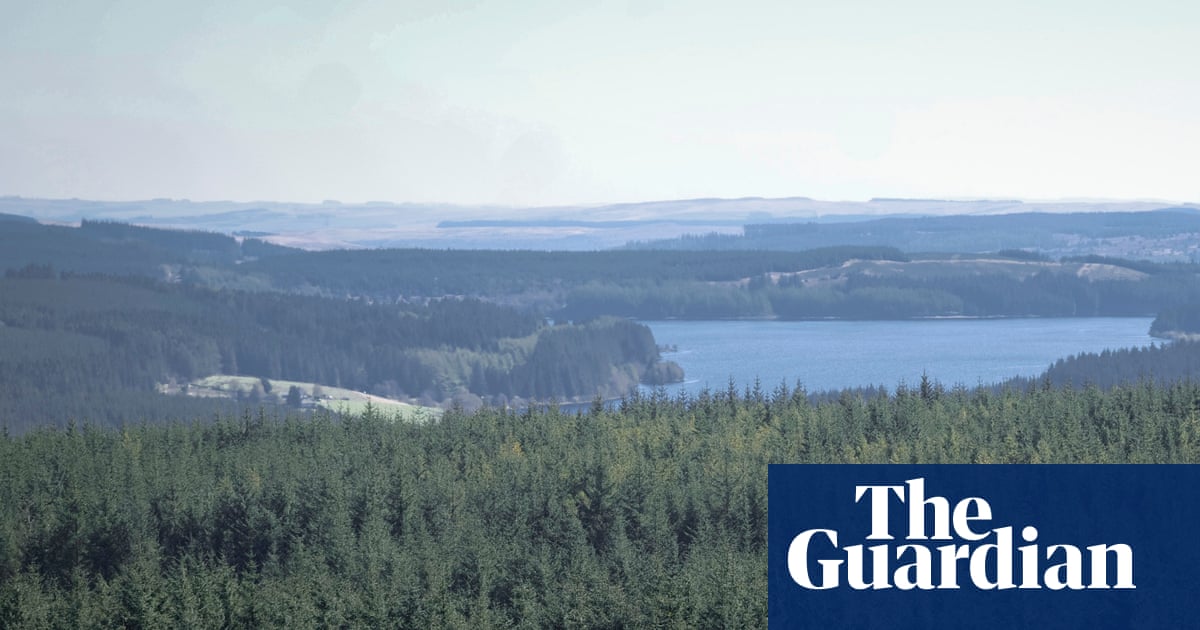
How England’s largest forest went from commodity to conservation haven Kielder Forest, initially established 100 years ago for timber production, has evolved into a multifaceted landscape balancing commercial forestry with ambitious conservation goals. The forest now serves as a haven for diverse wildlife, including ospreys, goshawks, water voles, otters, and red squirrels, while also protecting ancient peatlands that store significant amounts of carbon. Efforts are underway to enhance biodiversity through varied tree planting, creating wildlife corridors, and restoring peatland ecosystems, ensuring the forest’s resilience and environmental value for the future.
- Kielder Forest, England’s largest, has transitioned from a single-use timber plantation to a mixed-use venture balancing commercial production and conservation.
- Established 100 years ago for timber reserves, it now supports diverse wildlife like ospreys, goshawks, water voles, otters, and red squirrels.
- Conservation efforts include protecting rare peatland bogs, which are crucial carbon stores, and restoring them by reversing historical drainage.
- The forest is actively planting a more diverse range of trees to increase resilience against pests and diseases in the face of climate change.
- Future plans involve creating wildlife corridors by clearing forest borders around waterways and designating areas like ‘wild Kielder’ for conservation.
Write a comment