Banning leftwing activists from entering Britain: an illiberal move with a long history in this country
The cancellation of Cenk Uygur’s and Hasan Piker’s visas tells us that the home secretary’s powers to police speech are too broad
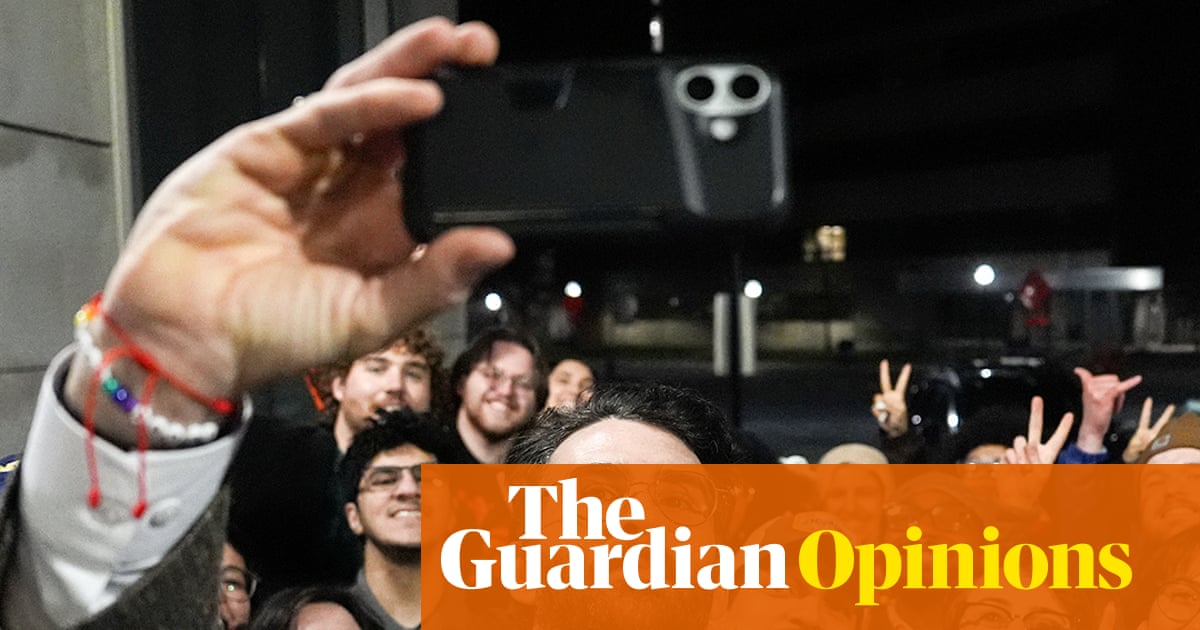
Banning leftwing activists from entering Britain: an illiberal move with a long history in this country The UK Home Office’s decision to ban Cenk Uygur and Hasan Piker from entering the country for a tech festival parallels historical instances of barring activists, such as Stokely Carmichael, raising concerns about the Home Secretary’s expansive powers to police speech. The article argues that these powers, often invoked for vague reasons like ‘unacceptable behaviour,’ are too broad and represent an illiberal trend of restricting freedoms, particularly in an era where remote communication can bypass entry bans.
- The UK government banned Cenk Uygur and Hasan Piker from entering the country, citing their presence may not be conducive to the public good.
- This action is compared to the 1967 ban of activist Stokely Carmichael, suggesting a pattern of restricting dissenting voices.
- The article criticizes the Home Secretary’s broad powers to refuse visas based on vague grounds like ‘unacceptable behaviour’ and potentially impacting foreign policy.
- Uygur and Piker, while sometimes using provocative language, are described as having relatively mainstream political views compared to individuals typically banned.
- The ability to ban individuals from entering the UK is seen as an outdated and overly broad form of censorship, especially given the ease of remote communication.
- The author argues that these visa bans are part of a larger pattern of the government narrowing the boundaries of speech and political freedoms.
No comments yet.
Write a comment