'They are disturbing the dead': reconstructing the site of the forgotten first genocide of the 20th century
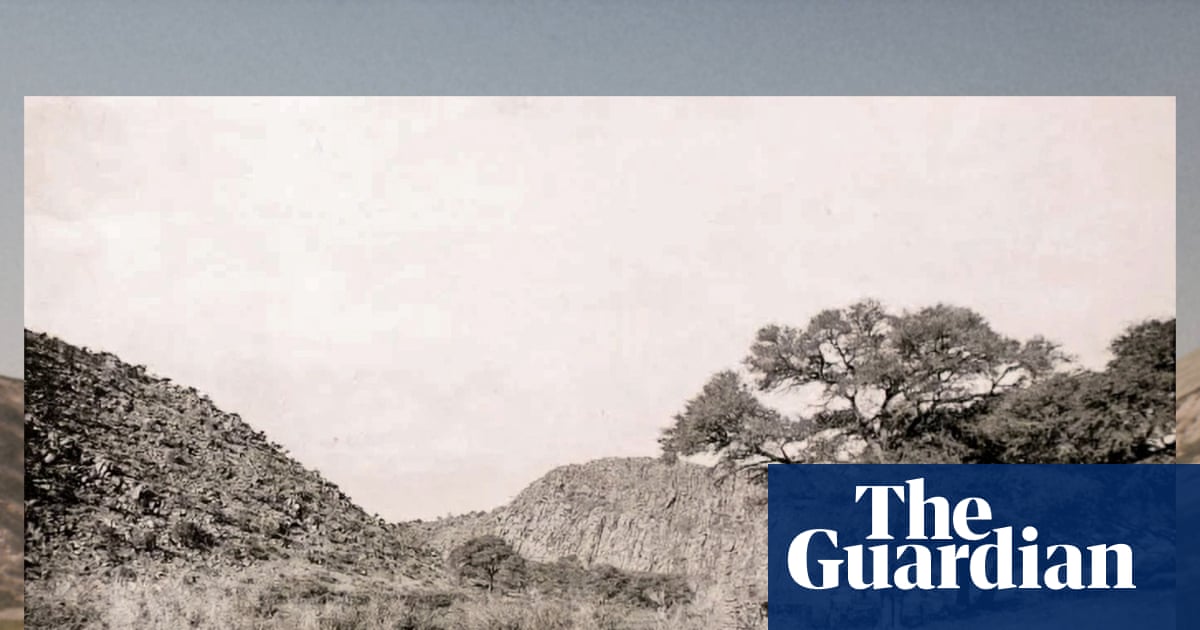
‘They are disturbing the dead’: reconstructing the site of the forgotten first genocide of the 20th century An exhibition in Berlin, ‘Fractured Lifeworlds,’ uses forensic research and visual reconstructions to investigate the 20th century’s first genocide in Namibia, focusing on the Shark Island concentration camp and the legacy of colonial violence. The exhibition combines oral testimonies with geological and botanical research to reconstruct atrocities and challenge historical erasure, while also highlighting ongoing land disputes and Germany’s refusal to pay reparations to descendants of the victims. Forensic Architecture’s innovative methods, described as ‘forensic botany,’ aim to recover a record inscribed in the landscape, offering a ‘digital shield against historical denial’ amidst ongoing debates about memory and accountability.
- The ‘Fractured Lifeworlds’ exhibition in Berlin uses forensic research to investigate the first genocide of the 20th century in Namibia.
- The exhibition focuses on the Shark Island concentration camp where at least 3,000 Herero and Nama people died between 1905 and 1907.
- Forensic Architecture, a research agency, uses visual reconstructions, oral testimonies, and geological research to investigate human rights abuses.
- The exhibition explores how colonial violence has been inscribed into Namibia’s landscape, examining events like the Hornkranz massacre.
- Descendants of genocide victims and human rights groups criticize Germany’s refusal to pay reparations and its development aid approach.
- The Hyphen green hydrogen project in Namibia raises concerns among Nama and Herero descendants about land rights, participation, and the disturbance of burial grounds.
- The exhibition aims to provide evidence and counter historical denial by reconstructing erased histories through landscape analysis and digital modeling.
Write a comment