A disease of deforestation: how Ebola is linked to the smartphone in your pocket
As demand for cobalt, gold and other minerals grows, mining is accelerating deforestation in the Congo basin – and increasing the risk of deadly Ebola outbreaks
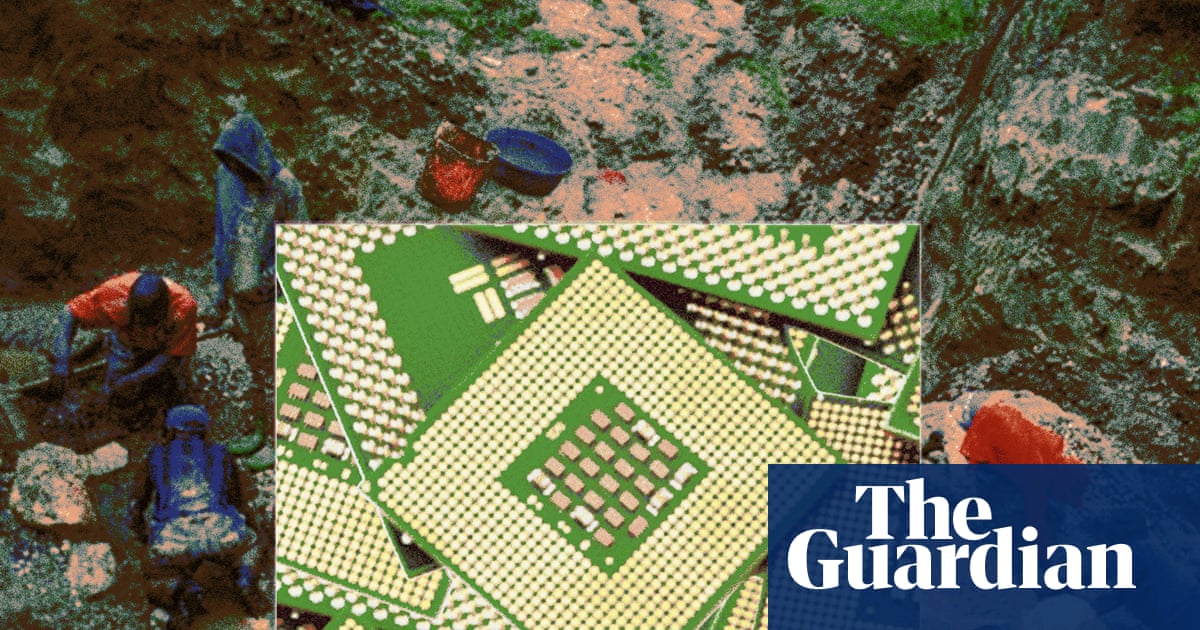
A disease of deforestation: how Ebola is linked to the smartphone in your pocket Rising global demand for minerals, driven by the tech industry, is leading to increased deforestation in the Congo basin. This habitat destruction forces virus-carrying bats into closer proximity with humans, increasing the likelihood of Ebola transmission. Mining activities, particularly in makeshift towns with poor sanitation, further exacerbate the spread of the virus.
- Ebola outbreaks have become larger and more widespread in recent years compared to earlier decades.
- Deforestation, driven partly by the demand for minerals for the hi-tech economy, is a fundamental driver of increased Ebola outbreaks.
- Destruction of bat habitats due to deforestation increases human encounters with virus-laden bats.
- Artisanal mining for minerals like gold, coltan, and cobalt in the Democratic Republic of the Congo (DRC) is a significant cause of deforestation.
- The DRC’s vast mineral wealth, valued at $24tn, remains largely untapped by commercial mining, leading to increased artisanal mining.
- Soaring global demand for “3TG” minerals (tungsten, tin, tantalum, and gold) for tech products is expected to triple.
- Mining activities plunge people deep into forests, increasing contact with animals that may harbor Ebolaviruses.
- Makeshift mining towns often have poor sanitation and limited health infrastructure, facilitating disease spread.
- Preventing broken ecologies that drive novel pathogens into human populations is crucial for pandemic policy, alongside preparedness and response.
No comments yet.
Write a comment