The Mothers of May’s 20-year struggle for justice after Brazil police rampage
In 2006 police took revenge for deadly prison riots by killing more than 500 people in alleged shootouts that others call executions. A court is to rule on compensation for victims
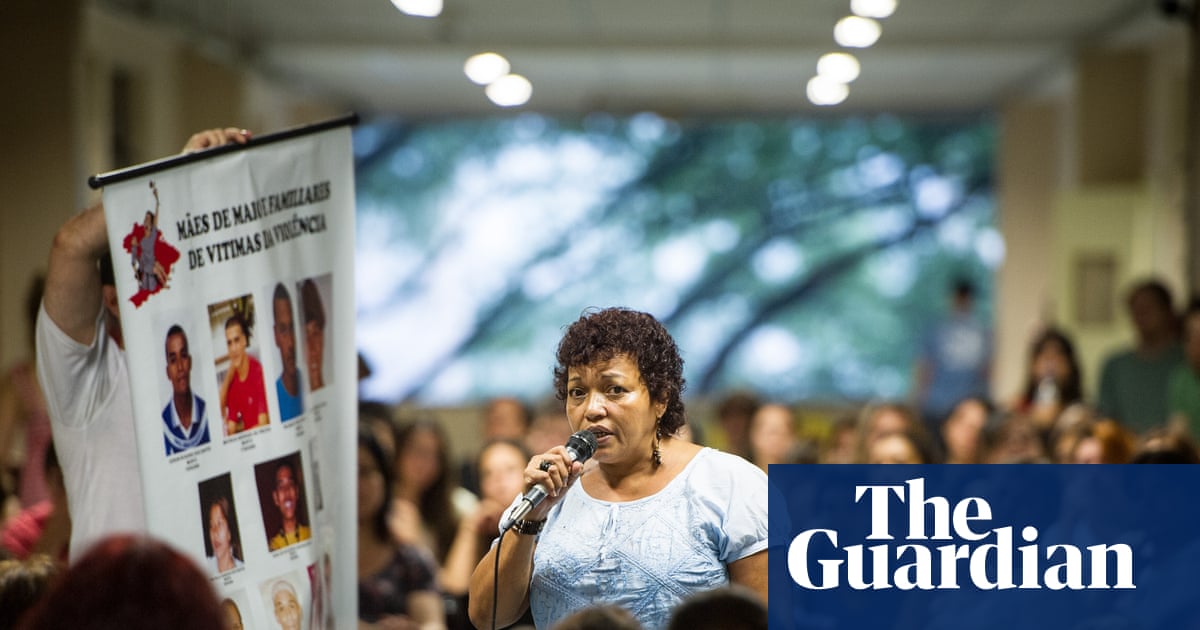
The Mothers of May’s 20-year struggle for justice after Brazil police rampage In May 2006, São Paulo authorities transferred gang members, leading to riots and the deaths of 59 officers. Police retaliated by killing over 500 individuals, which human rights groups allege were executions. Twenty years later, these killings remain largely unresolved, with victims’ families demanding accountability and compensation, a ruling on which is pending.
- In May 2006, São Paulo witnessed a wave of violence after authorities transferred nearly 800 suspected gang members to maximum-security prisons, resulting in prison riots and the deaths of 59 police and prison officers.
- In the subsequent nine days, police killed over 500 people, described as shootouts but attributed by human rights organizations and forensic studies to executions, including innocent civilians.
- Twenty years later, most of these killings remain unresolved, with victims’ relatives demanding truth and justice from the Brazilian state.
- Brazil’s superior court of justice is expected to rule on compensation for the victims, with proceedings scheduled to resume on June 10.
- Débora Maria da Silva, founder of the Mothers of May Movement, whose son was killed, highlights the state’s failure in investigative duties and the difficulty in identifying officers involved.
- Forensic analyses of bullet trajectories and wound locations suggest executions rather than gunfights in many cases.
- Despite the scale of the killings, only one police officer is known to have been convicted, while a significant number of civilians killed had no criminal records.
- The gang responsible for the initial riots, PCC, has continued to grow and expand its operations internationally.
- The Mothers of May movement seeks not only justice but also legislative changes to prevent future state-sanctioned violence, particularly against Black people and the poor.
Write a comment