Edward Hopper: A Comprehensive Exploration of an American Icon
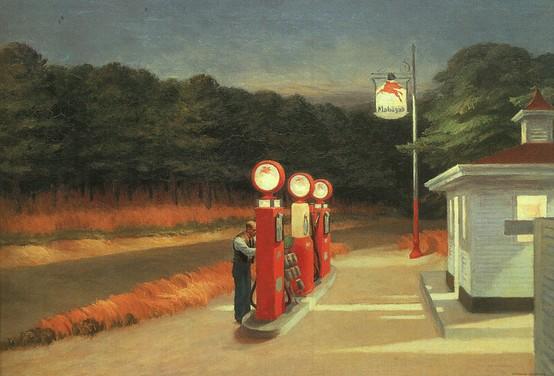
Edward Hopper: A Comprehensive Exploration of an American Icon
Introduction
Edward Hopper (1882-1967) remains an enduring figure in American art, celebrated for his evocative portrayals of urban and rural landscapes that capture the solitude and alienation of modern life. His distinctive style, characterized by precise compositions, stark contrasts of light and shadow, and an atmosphere of contemplative silence, continues to resonate with viewers across generations. This comprehensive article delves into the life, artistic development, major works, themes, and lasting influence of Edward Hopper, offering a nuanced understanding of his contributions to American and global art.
- Early Life and Formative Years
Edward Hopper was born on July 22, 1882, in Nyack, New York. His upbringing in a middle-class family provided early exposure to the landscapes and architecture that would later feature prominently in his paintings. Hopper’s interest in art emerged early, and he began formal training at the New York School of Art and Design under the guidance of prominent teachers such as William Merritt Chase and Robert Henri. These formative years shaped his artistic sensibilities and laid the foundation for his unique approach to depicting American life.
- Artistic Style and Techniques
Hopper’s artistic style is characterized by several distinctive elements that set him apart from his contemporaries. His compositions are meticulously planned, often featuring geometric shapes and strong lines that create a sense of order and balance within the frame. He was a master of capturing light and shadow, using chiaroscuro to heighten drama and emphasize mood. Hopper’s use of color is also notable; he often employed a muted palette that emphasized the melancholic and introspective aspects of his subjects.
- Themes in Hopper’s Work
A central theme in Hopper’s art is the exploration of solitude and isolation in modern society. His paintings frequently depict solitary figures in urban settings, often gazing out of windows or engaged in quiet contemplation. Hopper’s portrayal of empty spaces – diners, hotels, and urban streets devoid of human presence – underscores a sense of loneliness and alienation that resonates deeply with viewers. Additionally, his interest in architecture as a reflection of human experience is evident in his meticulous renderings of buildings and interiors, which serve as metaphors for psychological states.
- Major Works and Their Interpretations
-
“Nighthawks” (1942): This iconic painting depicts a late-night diner scene illuminated by harsh artificial light. The solitary figures seated inside the diner and the empty street outside evoke a sense of urban anonymity and existential unease.
-
“Early Sunday Morning” (1930): A quiet portrayal of a row of storefronts bathed in morning light, devoid of human activity. The stillness of the scene invites contemplation of the passage of time and the transient nature of urban life.
-
“House by the Railroad” (1925): This painting exemplifies Hopper’s fascination with architecture as a reflection of inner life. The isolated house, set against a desolate landscape, conveys a sense of isolation and melancholy.
- Hopper’s Influence and Legacy
Edward Hopper’s impact on American and global art cannot be overstated. His exploration of themes such as solitude, alienation, and the psychological undercurrents of modern life resonated with subsequent generations of artists and continues to inspire contemporary practitioners. Hopper’s precise visual language and ability to evoke complex emotions through seemingly simple scenes have influenced numerous movements and artists, from photorealism to pop art and beyond.
Conclusion
Edward Hopper’s enduring relevance lies in his ability to capture the essence of modern American life with clarity and emotional depth. Through his meticulous compositions and evocative use of light and shadow, Hopper created a visual language that continues to provoke introspection and contemplation. This article has explored the multifaceted aspects of Hopper’s life and work, offering a comprehensive overview of his contributions to the art world and his enduring legacy as one of America’s most iconic painters.
#artstr #art


Write a comment