Nvidia Announces RTX Spark Chip for AI-Powered Windows PCs
Nvidia Announces RTX Spark Chip for AI-Powered Windows PCs Nvidia’s new RTX Spark “superchip” is turning this fall’s Windows laptops into a test of whether AI-first, Arm-based PCs can finally rival Apple’s Macs and upend Intel and AMD’s dominance.
Early morning unveil at Computex
Nvidia opened Computex in Taipei by officially entering the consumer PC chip market, announcing RTX Spark as a family of Arm-based processors that combine CPU, RTX GPU and AI accelerators into a single package. The company is positioning it as a direct challenge to established PC silicon makers, unveiling the part as a PC “superchip” that will let Windows machines run advanced AI apps locally.
Nvidia executives went further in their claims, calling RTX Spark “the most efficient PC chip ever built,” while promising thin-and-light laptops capable of rendering massive 3D scenes, editing 12K video, and running 120‑billion‑parameter AI agents thanks to up to 20 CPU cores, 6,144 GPU cores and 128GB of unified LPDDR5X memory.
Microsoft reboots its Nvidia-on-Arm bet
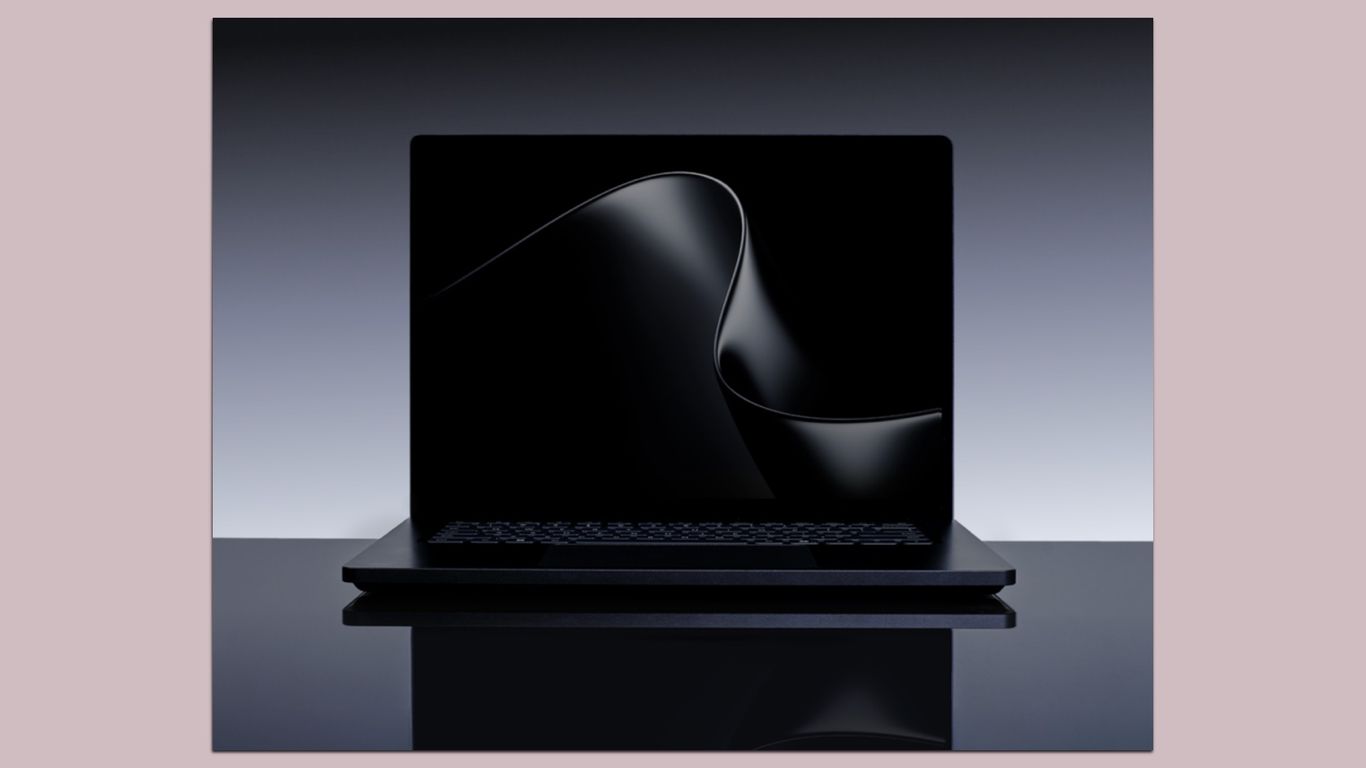
Within hours, Microsoft showcased the Surface Laptop Ultra, its new RTX Spark flagship and “the most powerful thing we’ve ever made,” built around the Arm-based Nvidia chip and offering up to 128GB of unified memory for “creators, developers, and AI builders.” The device adopts a straightforward clamshell design and a 15‑inch mini‑LED display, signaling Microsoft’s first true attempt at a MacBook Pro–style mobile workstation.
At its Build developer conference, Microsoft is tying RTX Spark into new Windows security primitives and sandboxes so personal AI agents can run “safely and under full user control,” while CEO Satya Nadella cast the partnership as a step toward bringing “unmetered intelligence to every home and every desk with Windows.”
A fall wave of AI PCs — and market questions
Major OEMs including Dell, HP, Asus, Lenovo, MSI, Acer and Gigabyte are preparing RTX Spark laptops and mini‑desktops for release this fall, spanning slim all‑day notebooks and compact workstations. Commentators say this could be “Windows’ moment to blow us away” the way Apple’s M1 did, but also warn that high prices and unproven real‑world benchmarks leave the launch “exciting and fraught” for buyers weighing it against mature MacBook Pro offerings.
Meanwhile, Nvidia frames RTX Spark as the entry point to a new $200 billion CPU market built around billions of AI agents running locally on PCs, not just in the cloud. Whether those ambitions translate into a durable Windows-on-Arm breakthrough will become clearer as the first RTX Spark systems ship later this year.
Continue reading https://foxvector.com/stories/019e8a9d-c1e1-2752-7049-267e710e267a
Write a comment