Microsoft Debuts Surface Laptop Ultra Powered by Nvidia's RTX Spark
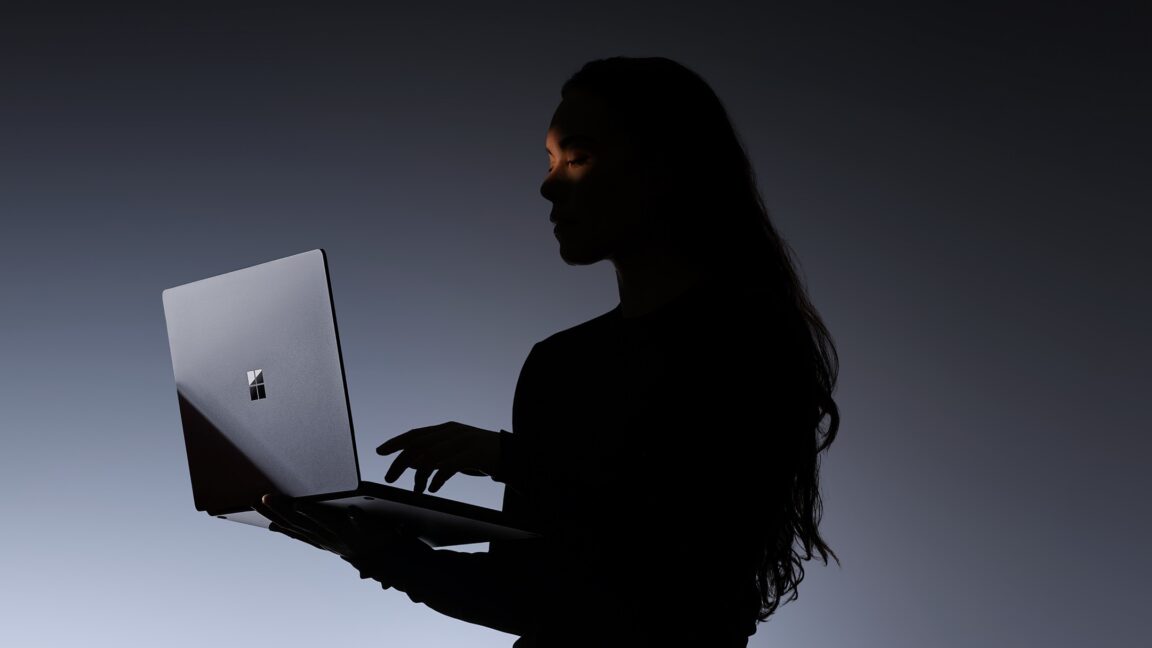
Microsoft Debuts Surface Laptop Ultra Powered by Nvidia’s RTX Spark Microsoft is making its boldest bid yet to challenge Apple’s MacBook Pro, unveiling the Surface Laptop Ultra as its first conventional high‑end workstation built around Nvidia’s new Arm‑based RTX Spark chip.
Early announcement and RTX Spark partnership
On June 1, Microsoft and Nvidia jointly introduced the Surface Laptop Ultra as a new flagship Windows notebook powered by the RTX Spark “superchip,” promising a machine that is “the most powerful Surface, period.” The 15‑inch clamshell laptop abandons the company’s past experiments with detachable or sliding screens in favor of a straightforward design aimed at “creators, developers, and AI builders,” with up to 128GB of unified memory.
The RTX Spark itself offers up to 20 Arm CPU cores and 6,144 Blackwell‑based GPU cores, delivering roughly desktop GeForce RTX 5070‑class performance within an 80 W power envelope. Nvidia is positioning the chip as a scalable family that will eventually hit multiple price points, while Microsoft says the Surface Laptop Ultra will sit above its Snapdragon‑based Surface laptops.
Build 2026: vision and first hands‑on
At Microsoft’s Build conference days later, CEO Satya Nadella framed RTX Spark PCs as central to Windows’ AI ambitions, calling RTX Spark “a real breakthrough” toward delivering “unmetered intelligence to every home and every desk with Windows.”
Reporters who went hands‑on described the Surface Laptop Ultra as Microsoft’s “first true MacBook Pro competitor,” noting its traditional clamshell form, emphasis on performance, and robust port selection including USB‑A, USB‑C, HDMI, SD card slot, and headphone jack. The device features a 15‑inch mini‑LED PixelSense display rated up to 2,000 nits of peak HDR brightness—Microsoft’s brightest Surface screen yet—and a large haptic trackpad integrated with new Windows 11 haptic cues.
Positioning and trade‑offs
Hands‑on impressions highlighted that the laptop feels heavier than previous Surface models, reflecting Microsoft’s decision to prioritize “performance, performance, performance, battery life, battery life, battery life, display, display, display,” even if other trade‑offs were necessary. Analysts see the unified memory architecture and local AI compute—up to 1 petaflop, according to Nvidia briefings—as a key differentiator for developers and creators comparing Arm‑based Windows hardware with both x86 PCs and Apple’s silicon Macs.
As Microsoft prepares to ship the Surface Laptop Ultra “later this year,” questions remain around pricing and real‑world software compatibility, but the company is clearly betting that a more conventional design paired with RTX Spark’s AI horsepower will finally give Surface a credible seat at the high‑end laptop table.
Continue reading https://foxvector.com/stories/019e910d-05b6-2c4a-70c4-259965c47fcf
Write a comment