OpenAI Expands Codex With New Tools for Enterprise and Non-Developers
OpenAI Expands Codex With New Tools for Enterprise and Non-Developers OpenAI is repositioning its Codex agent from a niche coding assistant to a central hub for white‑collar work, intensifying competition with both traditional SaaS tools and rival AI labs.
Early June: OpenAI sets the stage
On June 1, OpenAI formally outlined its vision of “Codex for every role, tool, and workflow,” highlighting new role‑specific plug‑ins, Sites, and annotations as a way to “help teams do more with Codex.” The company framed the update as a step toward making Codex an all‑purpose productivity layer rather than just a developer tool.
June 2: Enterprise push and white‑collar focus
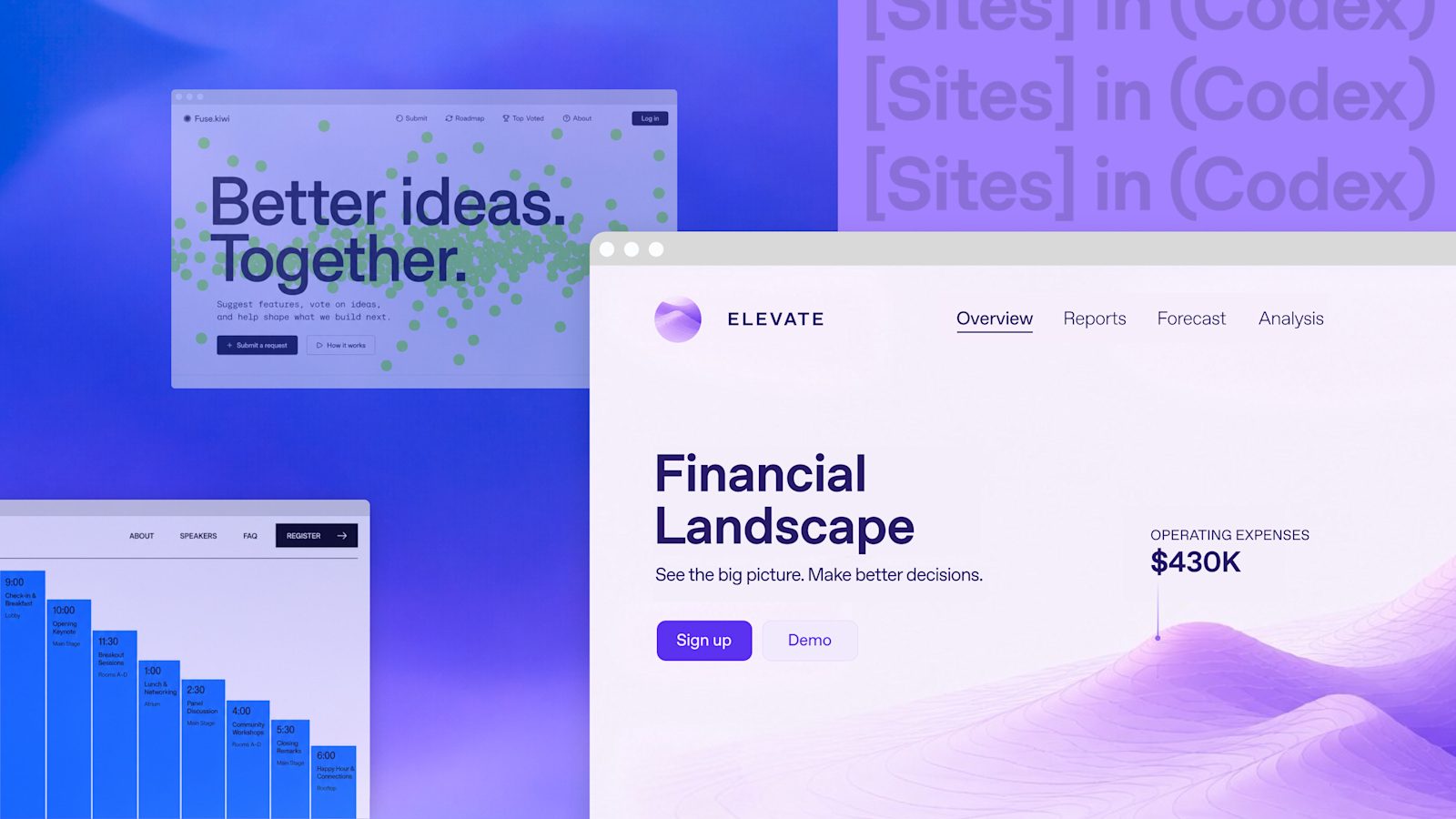
On June 2, OpenAI detailed six job‑oriented plug‑ins targeting “data analytics, creative production, sales, product design, equity investing, and investment banking,” each bundling integrations and instructions so Codex can “approximate a specific job” from inside the app. A new Sites feature lets Codex “output its work product as a hosted interactive website, instead of just a local file,” backed by partnerships with Wix, Base44, Replit, Lovable, Figma, and Emergent.
Tech outlets underscored the scale of the shift. OpenAI reported that Codex has “more than 5 million weekly active users,” with knowledge workers now “about 20 percent of users and…growing more than three times as fast” as developers. One analysis described Codex’s evolution as a “major expansion…transforming its AI coding agent into a broader enterprise work platform” built around Sites, Annotations, and plug‑ins that connect 62 business apps and 110 automated skills. Another noted that enterprise customers now have a preview capable of building “interactive, hosted websites and apps” that stay updated with new data.
User reactions: enthusiasm and friction
OpenAI president Greg Brockman promoted the Sites launch as a way to “Build and launch apps to your team, using Codex:” and later emphasized that “codex for computer work is growing very fast,” amplifying OpenAI’s own claim that the “bigger story” is use beyond coding, across “research, analysis, content, and operations.”
But individual users also flagged regressions. One developer complained that Codex Desktop’s “Copy as Markdown” export option had “vanished in an update,” calling it their “single favorite feature of Codex compared to Claude Code.” That tension—between aggressive expansion into enterprise workflows and preserving power‑user features—highlights the trade‑offs as Codex shifts from serving primarily programmers to a broader universe of knowledge workers.
Continue reading https://foxvector.com/stories/019e9ca3-f91a-1ce2-72d0-12188f2322a4
Write a comment