That Time Eugene Debs Went To Prison For Railroad Strike We Mean 'Obstructing The Mail'
June 26, 1894, in labor history!
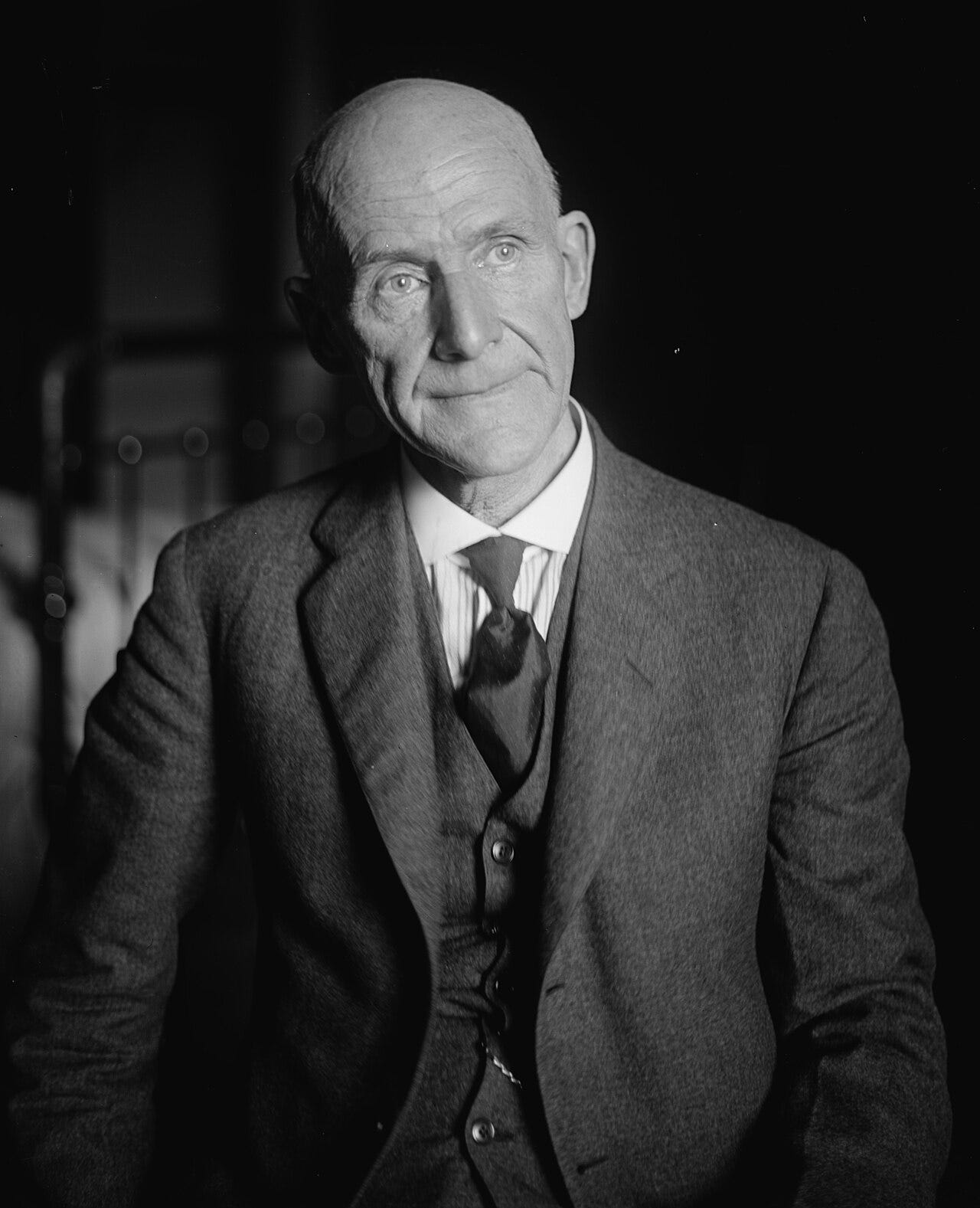
In 1894, Eugene Debs’s American Railway Union initiated a nationwide boycott in solidarity with striking Pullman workers, significantly escalating the conflict. The strike was suppressed through federal injunctions and the deployment of US troops, resulting in violence and the arrest of Debs and other leaders. Debs’s subsequent imprisonment led to his transformation into a prominent socialist and advocate for working-class rights.
- The Pullman Strike began on May 11, 1894, after Pullman Palace Car Company cut wages while keeping rents unchanged.
- The American Railway Union (ARU), led by Eugene Debs, called a nationwide boycott of Pullman cars on June 26, 1894, turning it into a major labor action.
- The federal government, under President Grover Cleveland and Attorney General Richard Olney, used an injunction based on the Sherman Anti-Trust Act to break the strike.
- US troops were deployed to Chicago to quell the strike, leading to clashes, fires, and the death of at least four strikers.
- Eugene Debs was arrested and sentenced to six months in prison for violating the injunction, during which he became a socialist.
- The strike’s suppression highlighted the use of injunctions against labor unions, a tactic that continued to be employed.
- Illinois Governor John Altgeld, who opposed the use of federal troops, later influenced the Democratic party’s stance.
Write a comment