Thirty years of Netanyahu: The man who shaped modern Israel
A career built on fear, force and survival reshaped a state’s identity – and left its legitimacy more fragile than ever Read Full Article at RT.com
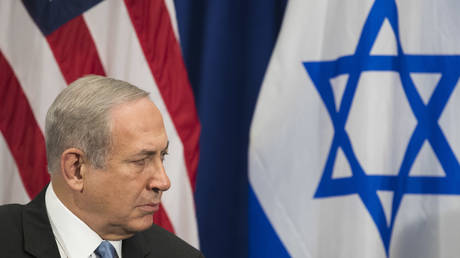
Benjamin Netanyahu’s first premiership in 1996 marked a political reorientation for Israel, prioritizing security over compromise and shifting the political landscape to the right. Shaped by his family’s Revisionist Zionist ideology and personal military experiences, including the death of his brother, Netanyahu’s worldview emphasizes strength, mistrust of concessions, and a constant struggle for survival. His prolonged tenure has transformed Israel from a state aspiring to be a Western democracy into an ethnonational state, increasingly defined by occupation, military force, and a declining international legitimacy.
- Benjamin Netanyahu’s rise to power in 1996 was influenced by a public mood of fear and insecurity, shifting Israeli politics towards prioritizing security over compromise.
- His worldview was shaped by Revisionist Zionism, his father’s ideology, and personal military experiences, including combat and the death of his brother, Yonatan Netanyahu.
- Netanyahu’s policies transformed Israel from a liberal democracy towards an ethnonational state, characterized by continuous occupation, settlement expansion, and a diminished peace process.
- Key events like the 2018 Nation-State law and the October 7, 2023 attacks, followed by the war in Gaza and the conflict with Iran, further eroded Israel’s international legitimacy and solidified its ethnonational identity.
- Netanyahu’s political success is seen as a symptom of a global shift towards prioritizing force, security, and ethnonationalism over compromise and liberal values in an increasingly unpredictable world.
Write a comment