Wave of student violence raises alarms about educational crisis in Nicaragua
Videos of beatings, threats, and knife attacks among students have raised alarms in Nicaragua. A relative of one of the involved teenagers justified that the young man was carrying "a knife that didn't even have an edge, because he just wanted to scare him." Teachers and specialists warn that the increase in school violence reflects a deeper crisis marked by the loss of teacher authority, the deterioration of social coexistence, and an educational system increasingly focused on political control and ideological indoctrination.
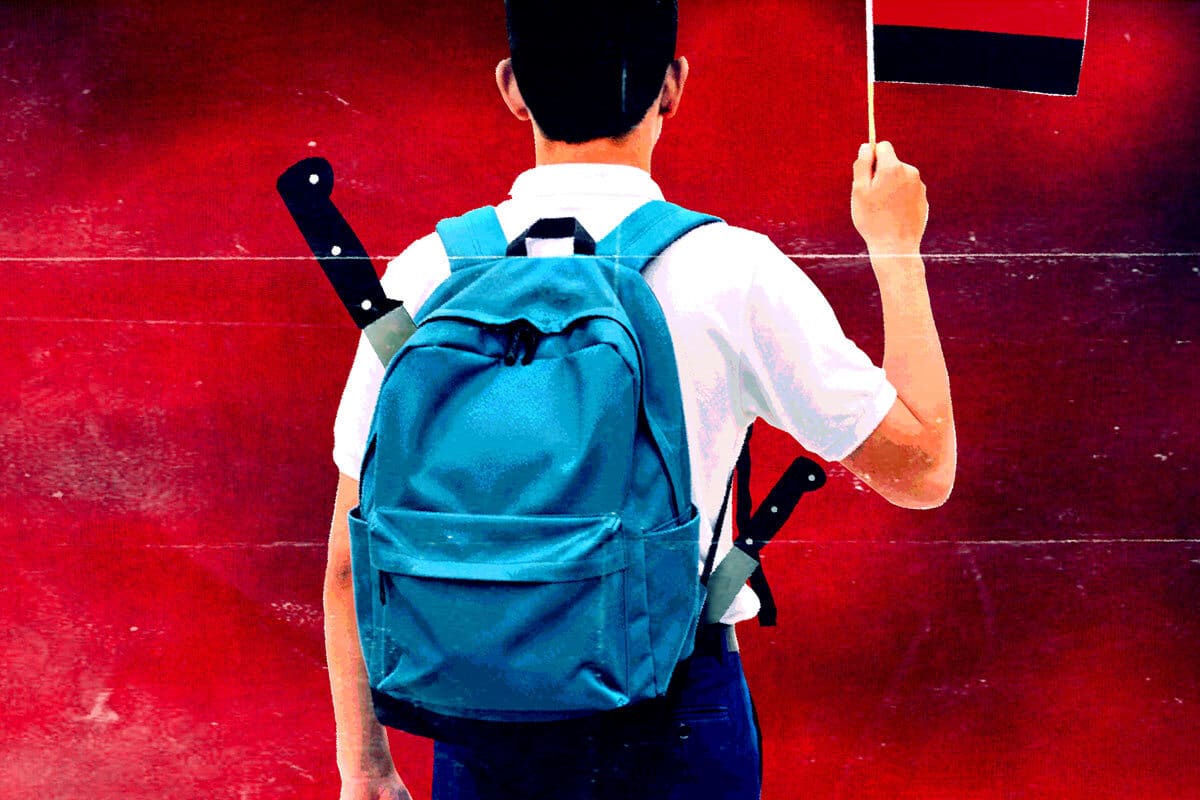
Wave of student violence raises alarms about educational crisis in Nicaragua A surge in student violence in Nicaragua, involving beatings and the use of weapons like knives and bottles, has raised serious concerns among parents, teachers, and specialists. Experts attribute this rise to a deeper educational crisis characterized by diminished teacher authority, weakened school discipline, and a system increasingly focused on political control and ideological indoctrination rather than comprehensive student development. The incidents are often recorded and shared on social media, highlighting a concerning normalization of aggression and a potential search for social validation through violence.
- Recent weeks have seen at least four reported cases of aggression among adolescents in Managua and Chinandega, some involving weapons.
- Educators and specialists believe these episodes signal a deterioration of the Nicaraguan educational system, marked by loss of teacher authority, weakened discipline, family crisis, accumulated social violence, and a focus on political control.
- Teachers report fear of reprisal for intervening in aggressive behavior, feeling unsupported by school administration and parents.
- A psychologist noted that adolescent violence reflects a society marked by fear, aggressiveness, polarization, and accumulated frustration, amplified by social media.
- The educational system has reportedly shifted focus from academic merit and discipline to ideological activities promoted by the ruling party.
- The normalization of violence from positions of power is seen as impacting daily conduct, teaching youth that aggression is a valid conflict resolution method.
- The recording and sharing of violent acts by students, with others observing rather than intervening, suggest a pursuit of social validation through aggression.
- The Nicaraguan educational system has been transformed by political control, with schools allegedly becoming spaces for ideological surveillance and indoctrination.
- Critics argue that the educational system’s focus on political slogans and limited critical thinking development contributes to the crisis.
- The increasing violence contradicts constitutional principles of education as a joint action and teachers’ right to professional dignity. https://www.divergentes.com/violencia-estudiantil-crisis-educativa-nicaragua/
Write a comment