Medical Societies Address Rare Genetic Variant Affecting Anesthesia Safety in Venezuela
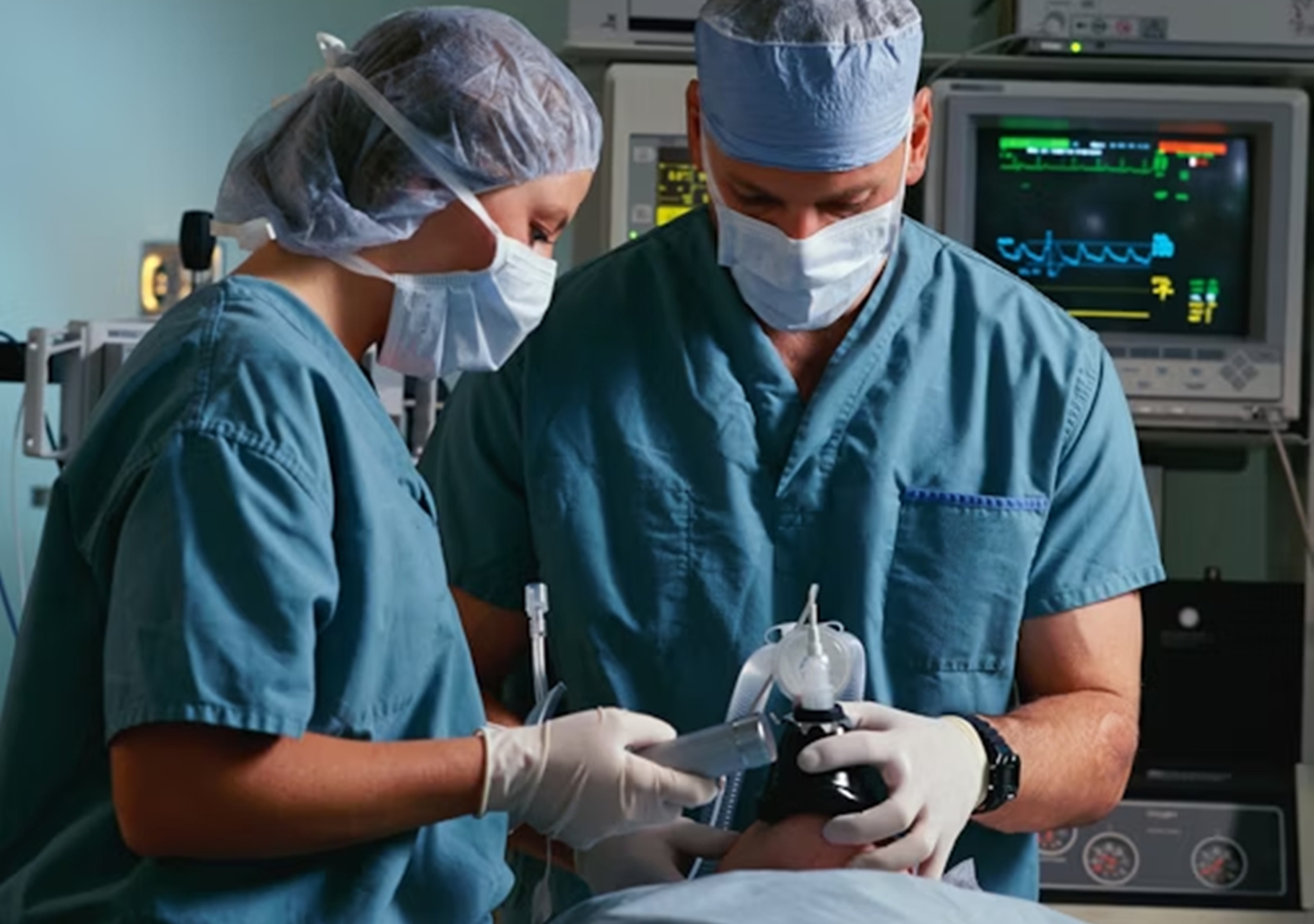
Medical Societies Address Rare Genetic Variant Affecting Anesthesia Safety in Venezuela Opposition Opposition coverage portrays the rare mtND4 m.11232T>C variant as a scientifically defined but extremely uncommon risk that requires better pre-anesthetic screening, improved monitoring, and open discussion of regional clustering without stigmatizing Venezuelan nationality. These outlets also use the issue to highlight chronic underinvestment in health infrastructure and the need for transparent, patient-centered communication from authorities. @htcq…4692 @dgj2…hzme @r83x…ptvy Medical and anesthesiology societies in Venezuela and abroad report the identification of a very rare mitochondrial DNA variant (mtND4 m.11232T>C) associated with severe neurological complications in a small subset of patients exposed to inhalational anesthetics, especially sevoflurane. The Venezuelan Society of Anesthesiology, echoing alerts from the American Society of Anesthesiologists and the Society of Pediatric Anesthesia, agrees that the phenomenon is extremely uncommon, has been seen mainly in pediatric cases, and appears more frequently in families with maternal ancestry linked to the state of Carabobo, where a possible founder effect is suspected. Specialists concur that when this mutation is present, complications can include failure to wake up after anesthesia or serious neurological damage, and that affected patients may benefit from alternative strategies such as total intravenous anesthesia (TIVA) instead of inhaled agents.
Across the board, professional societies and clinicians emphasize that general anesthesia remains a very safe procedure worldwide and in Venezuela, and that the new information should inform better risk stratification rather than provoke panic. There is consensus on practical measures: strengthening pre-anesthetic consultations, taking a detailed family and maternal ancestry history (including prior anesthesia-related issues), improving intraoperative monitoring of anesthetic depth where technology is available, and setting up surveillance and research protocols to clarify the prevalence and impact of the variant. Medical spokespeople also agree on the need to avoid stigmatizing Venezuelan nationality or Venezuelan maternal origin as inherently risky, framing the issue instead as a specific, inherited mitochondrial trait that requires targeted clinical awareness and further study.
Points of Contention
Framing of ancestry and nationality. Opposition sources stress that linking anesthesia complications to “being Venezuelan” is scientifically unfounded and risks xenophobic or discriminatory narratives, insisting that the issue lies with a narrowly defined mitochondrial variant and not with national identity. Government-aligned outlets, where they address the topic, are more likely to echo official talking points that downplay any sensitive discussion of regional or ancestral clustering, presenting it in vague demographic terms or folding it into broader language about population diversity without explicitly warning against stigmatization.
Transparency and risk communication. Opposition media highlight detailed explanations from anesthesiologists, openly discussing the specific mutation, implicated drugs like sevoflurane, and the geographic focus on Carabobo, while calling for clear patient information and informed consent. Government-aligned coverage tends to generalize the matter into routine clinical caution, giving fewer technical details and framing the alerts as fully under control, thereby minimizing public discussion of precise risks or localized prevalence that might reflect gaps in the health system.
Health system capacity and reforms. Opposition outlets emphasize that not all Venezuelan centers have the monitoring technology or diagnostic capability recommended by medical societies, using the issue to underscore chronic underinvestment and the need for structural reforms in anesthesia services and genetic surveillance. Government-aligned media, when referencing institutional responses, foreground official initiatives, guidelines, and assurances of readiness, portraying the existing system as broadly capable and avoiding direct acknowledgment of equipment shortages, uneven regional capacity, or the need for large-scale investment.
International vs. domestic leadership. Opposition coverage underscores the role of international bodies like the American Society of Anesthesiologists alongside the Venezuelan Society of Anesthesiology, portraying the response as a collaborative scientific effort that partly compensates for domestic institutional weaknesses. Government-aligned narratives are more inclined to spotlight local authorities and national professional societies as primary drivers of the response, mentioning foreign statements only in passing or as validation of Venezuelan initiatives, thereby reinforcing a message of sovereign, homegrown expertise.
In summary, Opposition coverage tends to treat the rare genetic variant as a lens on systemic shortcomings, emphasizing transparency, non-stigmatizing scientific detail, and unmet needs in monitoring and infrastructure, while Government-aligned coverage tends to fold the issue into a broader narrative of state-managed normalcy, highlighting official guidelines, national expertise, and reassurance while soft-pedaling resource gaps and politically sensitive angles.
Story coverage
Write a comment