Luis Sojo Fired as Sports Manager of Leones del Caracas
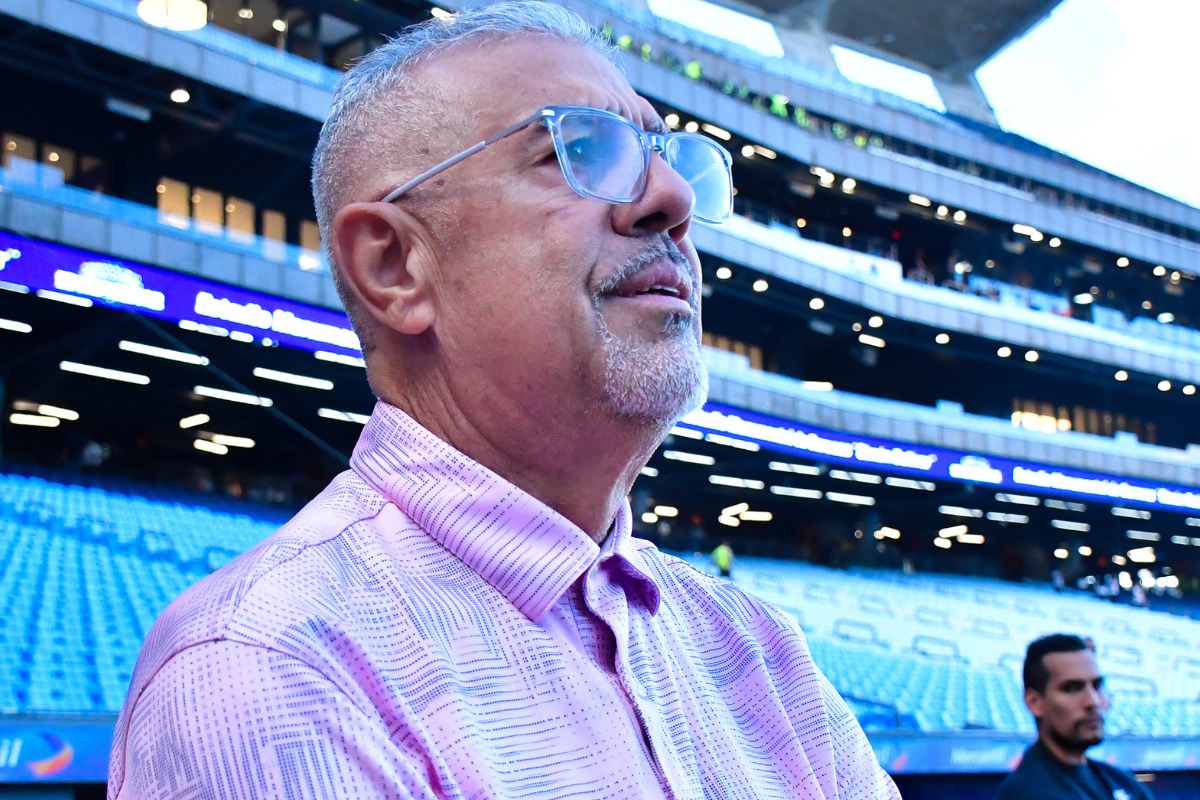
Luis Sojo Fired as Sports Manager of Leones del Caracas Opposition Opposition outlets depict Luis Sojo’s removal as a clear firing after a disappointing season, emphasizing unfulfilled expectations and treating the move as a reaction to failure rather than a calm transition. Their coverage highlights crisis, abruptness, and an underperforming project without cushioning the blow to Sojo or the club’s leadership. @htcq…4692
Government-aligned Government-aligned outlets present Sojo’s exit as a non-renewal within a broader restructuring, stressing that results did not match expectations but situating the change in a controlled, confidential search for a new manager. They underscore specific sporting issues, like poor pitching despite good offense, and seek to preserve the image and continuity of the Leones organization. @5j8p…pah0 @lhs7…hw3k Luis Sojo has been removed from his role as sports manager (sporting director/gerente deportivo) of Leones del Caracas following the most recent LVBP campaign, with both sides agreeing this stems from a disappointing season in terms of on-field results. General manager Juan Cristóbal Coronil publicly confirmed that Sojo will not continue in the position for the upcoming 2026–2027 season and that the organization has already begun the process of identifying a successor, with no replacement named yet and the search taking place under a veil of confidentiality. Both opposition and government-aligned reports concur that the team underperformed relative to expectations and that the club’s leadership is formally closing Sojo’s cycle with the organization.
Coverage from both camps situates the decision within the broader framework of Leones del Caracas as a historically important LVBP franchise under pressure to deliver titles and deeper playoff runs. They agree that Sojo’s arrival had generated optimism due to his trajectory and experience, and that the failure to translate that pedigree into competitive success is the immediate cause of his exit. Both describe the move as part of a wider restructuring process inside the club’s sporting department, framed as a management decision aimed at correcting course after a year of poor results, especially in pitching, while maintaining continuity in the front office through Coronil’s ongoing leadership.
Points of Contention
Framing of the decision. Opposition-aligned outlets tend to present Sojo’s departure bluntly as a firing after a disappointing and even embarrassing season, highlighting the notion of a failed project and the abruptness of the decision. Government-aligned coverage, while acknowledging the poor results, more often uses softer formulations like “will not continue” or “leaves the team,” suggesting a mutually understood separation framed within an organizational restructuring. The former reads more like a punitive move attributed squarely to performance, whereas the latter emphasizes process, institutional continuity, and strategic adjustment.
Performance diagnosis. Opposition reports focus primarily on the overall “decepcionante” season and early elimination, treating the campaign as a broad failure without delving deeply into technical breakdowns, which implicitly lays responsibility at the feet of upper management. Government-aligned coverage is more granular, stressing the contrast between a strong offense and a disastrous collective ERA, and casting the season’s failure as the result of a specific imbalance on the roster. In doing so, official-leaning accounts present Sojo’s tenure as undermined by structural and sporting challenges rather than as sheer managerial incompetence.
Responsibility and image management. Opposition narratives implicitly personalize blame on Sojo and, by extension, on the club’s decision-makers, underlining that expectations created by his track record were not met and portraying the move as a necessary correction after mismanagement. Government-aligned media, while conceding that results fell short, tends to protect the institutional image of Leones and its executives, suggesting that this change is one step in a planned reorganization rather than an admission of outright failure. The former thus amplifies the sense of crisis around the franchise, whereas the latter works to contain reputational damage and normalize the turnover as part of high-performance sports.
Transparency of the process. Opposition coverage stresses merely that the search for a successor has begun, leaving an implication that fans are left in the dark after a shock decision and that internal deliberations are opaque. Government-aligned outlets explicitly highlight that the process will be confidential as a deliberate policy, portraying secrecy as a professional norm intended to safeguard negotiations and competitive strategy. This contrast leads opposition pieces to hint at lack of accountability, while official-leaning pieces recast the same opacity as prudent management.
In summary, Opposition coverage tends to portray Sojo’s exit as a stark firing after a failed sporting project that underscores crisis and mismanagement at Leones del Caracas, while Government-aligned coverage tends to frame it as a measured, confidentially managed restructuring step that acknowledges poor results but protects the institution and emphasizes orderly continuity. Story coverage
Write a comment