Protests and Prayer Vigils for Political Prisoners Held Across Venezuela
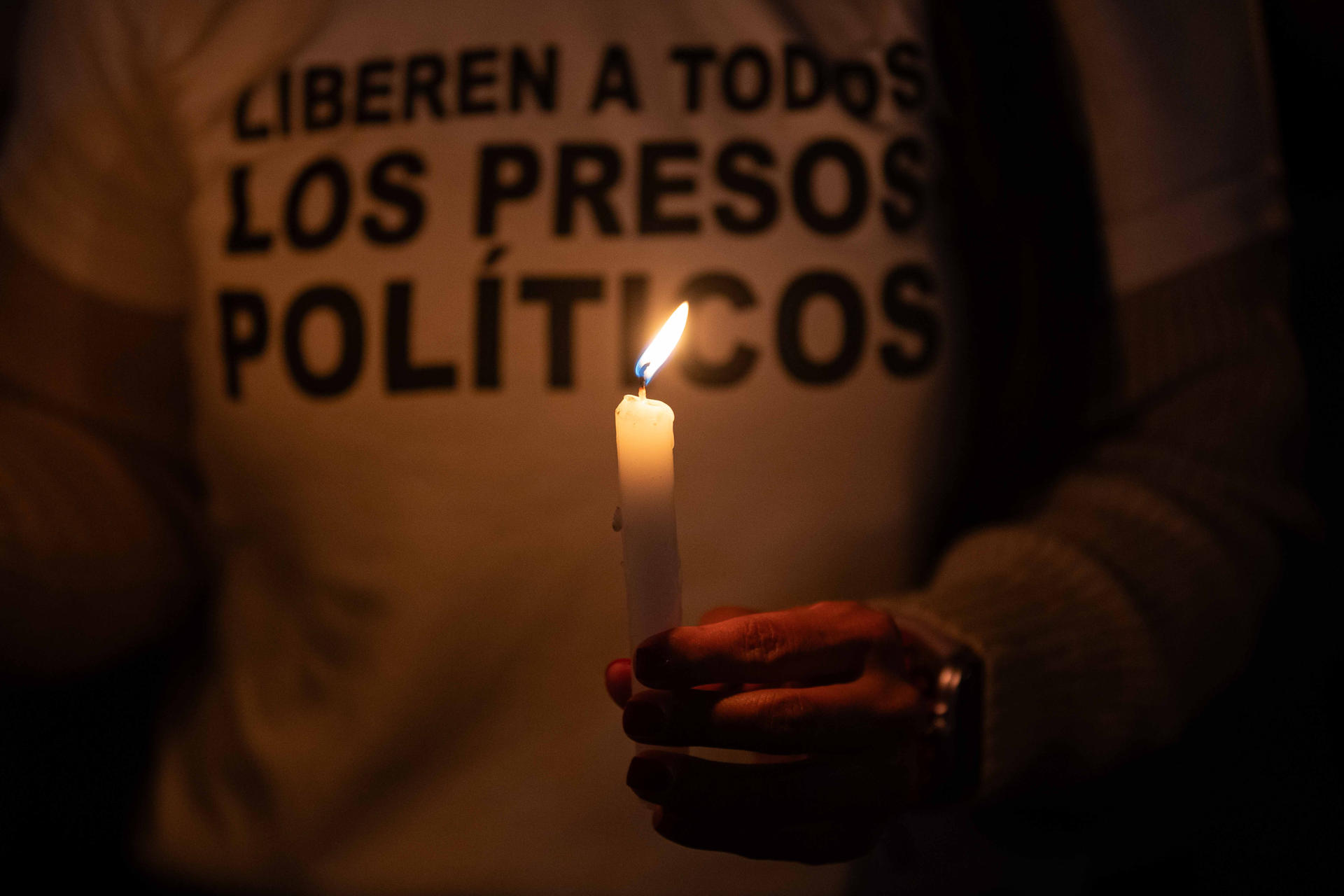
Protests and Prayer Vigils for Political Prisoners Held Across Venezuela Opposition From the opposition perspective, the coordinated protests and prayer vigils are a peaceful, nationwide movement led by families, civil society, and the Church to demand the immediate and unconditional release of all those they describe as political prisoners. They portray the Maduro government and its security agencies as responsible for systematic arbitrary detentions, argue that true peace requires amnesty and justice reform, and link the prisoners’ fate to broader democratic change. @htcq…4692 Across multiple Venezuelan states, recent days have seen coordinated protests, prayer vigils, and public gatherings calling for the release of people described as political prisoners. Opposition-aligned outlets consistently report mobilizations in San Cristóbal (Táchira), Monagas, Bolívar, Barquisimeto (Lara), and outside the Sebin headquarters at El Helicoide in Caracas, highlighting the participation of relatives of detainees, union representatives, student movements, and Catholic Church figures, including Cardinal Baltazar Porras. These activities are portrayed as peaceful, combining religious acts such as prayer and vigils with civic protest, often held in front of detention centers and framed as a national, synchronized effort using slogans like #QueSalganTodos and demands for immediate and unconditional freedom for all detainees.
Coverage also agrees on the broader institutional and social backdrop: the involvement of the Catholic Church as mediator and moral voice, the role of civil society organizations and student groups, and the longstanding presence of detainees held in facilities like El Helicoide. Reports situate the events within a years-long pattern of arrests linked to political conflict, with references to past promises of prisoner releases and stalled or incomplete reforms in the justice and penitentiary systems. The events are framed as part of a wider national conversation about reconciliation, respect for dissent, and the rule of law, with amnesty proposals and appeals for national unity recurring as central themes shared across descriptions of these gatherings.
Points of Contention
Nature of the detainees. Opposition-aligned sources describe those held as political prisoners or prisoners of conscience, emphasizing their status as activists, unionists, students, and opponents detained for dissent, and reject any criminal label. Government-aligned outlets, when they cover similar cases, typically frame detainees as individuals implicated in common crimes, conspiracy, terrorism, or destabilization plots, downplaying or denying a political motive. Opposition coverage stresses arbitrariness and selective prosecution, whereas pro-government narratives portray the detentions as legal responses to threats against public order and national security.
Legitimacy of the protests and vigils. Opposition media present the marches, prayers, and vigils as peaceful, lawful expressions of fundamental rights, anchored in moral authority from the Church and the suffering of families. Government-aligned outlets tend to portray comparable street actions by opponents as manipulated, minor in scale, or as part of a broader strategy to generate international pressure, sometimes suggesting they are orchestrated by foreign-backed leaders. While opposition reporting highlights broad citizen and institutional backing, pro-government narratives often question the spontaneity of the gatherings and suggest they serve partisan agendas rather than national reconciliation.
Responsibility for the crisis. Opposition narratives place direct blame on the Maduro government and chavista security apparatus for creating and sustaining a system of political persecution, pointing to Sebin, courts, and intelligence agencies as tools of repression. Government-aligned coverage, where it addresses tensions around detentions, typically attributes the crisis to alleged coup attempts, economic warfare, and external interference, portraying the state as reacting to aggression rather than initiating abuses. Opposition outlets underscore broken promises of prisoner releases and unfulfilled agreements, whereas pro-government narratives emphasize sovereignty, defense of the constitutional order, and the need to punish what they call subversive actions.
Pathways to resolution. Opposition-aligned media stress amnesty, unconditional releases, and comprehensive justice reform as prerequisites for genuine peace and democratic normalization, often linking the fate of prisoners to broader electoral and negotiation processes. Government-aligned outlets, by contrast, usually frame any potential releases as conditional measures tied to dialogue, respect for the legal framework, or demonstrations of “good conduct,” and resist blanket amnesties that would cover what they define as serious crimes. Opposition reporting treats international pressure, human rights documentation, and church mediation as essential levers, while pro-government narratives tend to emphasize internal dialogue under state-defined terms and reject external conditionality.
In summary, Opposition coverage tends to depict the vigils and protests as a nationwide, morally grounded campaign to end politically motivated imprisonment and restore rights, while Government-aligned coverage tends to justify or minimize the detentions, cast the mobilizations as politically instrumental or externally driven, and defend the state’s security and legal rationale for keeping key opponents behind bars.
Story coverage
Write a comment