Boatmen in Chichiriviche Protest Gasoline Shortage
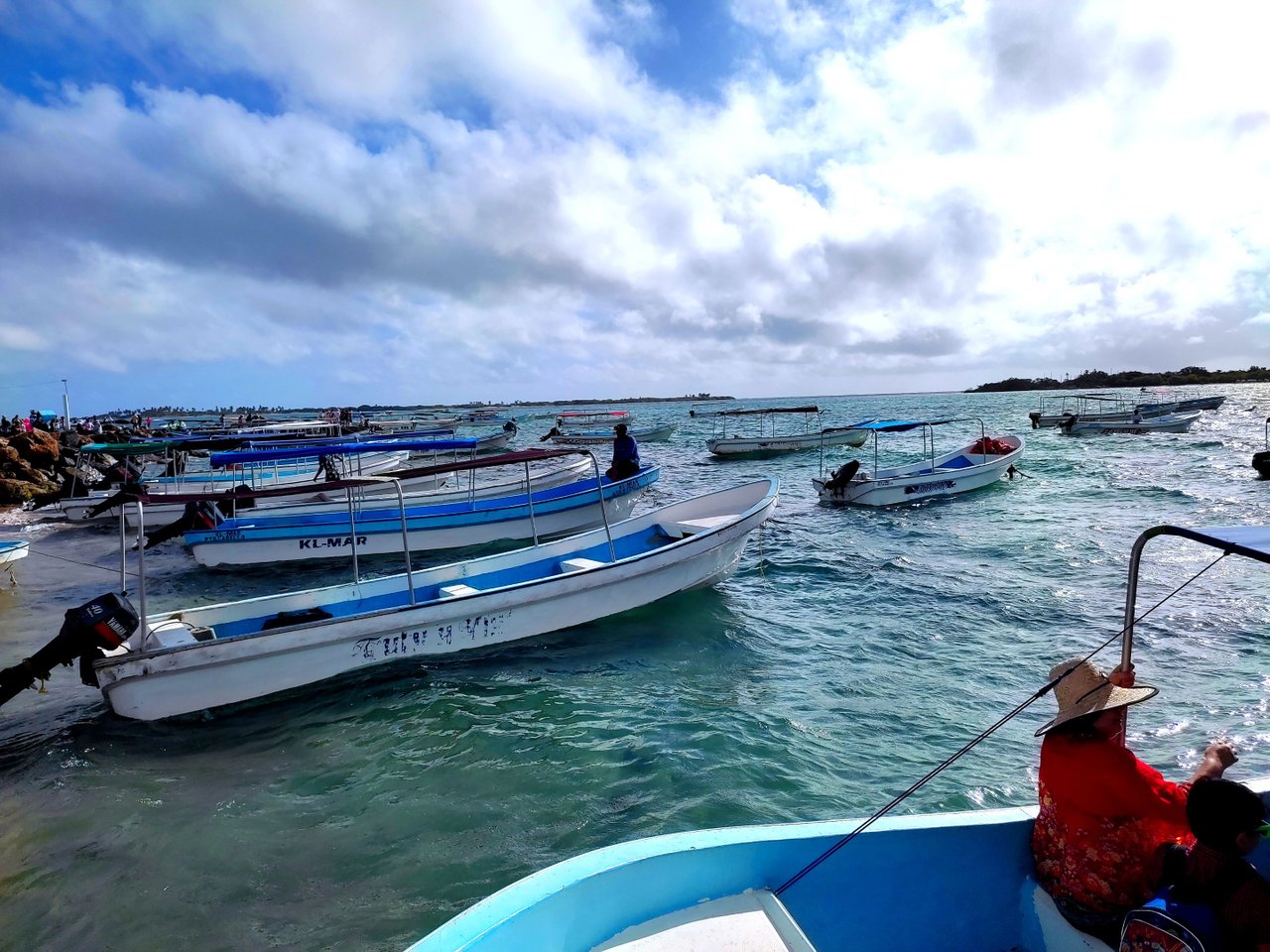
Boatmen in Chichiriviche Protest Gasoline Shortage Opposition Opposition outlets describe the boatmen’s protest in Chichiriviche as a justified, organized stoppage by more than 350 workers who have endured chronic fuel shortages and fruitless institutional appeals, now jeopardizing the key Carnival season. They frame the gasoline crisis as evidence of deep state mismanagement and neglect that is undermining both local tourism and the livelihoods of coastal communities. @htcq…4692 More than 350 boatmen in Chichiriviche, in Falcón state, have staged a protest and work stoppage over a shortage of gasoline that they say has persisted for months and has become critical one week before the Carnival holiday. The boat operators, who are responsible for transporting tourists to the keys and beaches of Morrocoy National Park, have paralyzed trips for at least two consecutive days, leaving the local coastline visibly empty of usual tourist traffic and putting at risk the peak Carnival season that sustains many local livelihoods.
Across reports, the protest is described as the culmination of long-standing fuel supply problems, during which the boatmen claim they have repeatedly approached institutions and authorities without obtaining a lasting solution. The workers are calling for a stable, continuous supply of gasoline, at prices they refer to as international rates, and the activation or prioritization of a local service station to reduce operational risks and logistical difficulties, highlighting the broader context of structural fuel distribution issues in the region and their impact on tourism-driven economies.
Points of Contention
Responsibility and blame. Opposition outlets frame the gasoline shortage as the direct result of national mismanagement, corruption, and a collapsed fuel distribution system, emphasizing that years of institutional petitions have been ignored by authorities. In the absence of explicit government-aligned coverage, official and pro-government narratives in similar cases typically stress external factors such as sanctions, economic warfare, or logistical bottlenecks, distributing responsibility away from central authorities. Thus, while opposition media personalize blame in specific agencies and officials, a government-aligned line would likely diffuse or redirect that blame toward structural or foreign pressures.
Characterization of the protest. Opposition coverage portrays the boatmen’s stoppage as a legitimate, organized labor and community protest, highlighting participation figures, visual evidence of paralyzed tourism, and the workers’ demands as reasonable and peaceful. By contrast, government-aligned outlets in comparable protests often underreport the scale, describe actions as isolated disruptions, or emphasize that service is being gradually restored, thereby minimizing the sense of crisis. This leads opposition media to frame the protest as emblematic of systemic failure, while pro-government narratives would tend to depict it as a manageable, localized difficulty.
Economic and social impact. Opposition sources stress the gravity of the economic blow to Chichiriviche and Morrocoy tourism, arguing that the gasoline crisis threatens the livelihoods of hundreds of families and undermines one of the few remaining local income sources before Carnival. Government-aligned narratives in similar contexts generally highlight state efforts to support tourism, infrastructure, and social programs, and may present any disruption as temporary within a broader story of recovery and resilience. As a result, opposition coverage amplifies the precariousness and urgency of the situation, whereas government-aligned coverage would likely underscore continuity of state support and downplay long-term harm.
State response and institutional credibility. Opposition outlets underline that the boatmen have exhausted institutional channels, presenting this as evidence that official mechanisms are ineffective or indifferent to citizen claims. Government-aligned media, in contrast, usually foreground statements from governors, ministries, or PDVSA, stressing that plans are underway, technical issues are being resolved, or dialogues are open, thereby defending the credibility of institutions. Consequently, opposition narratives question whether authorities are willing or able to solve the fuel crisis, while a government-aligned line would reaffirm the state’s responsiveness and frame any delays as technical rather than political.
In summary, Opposition coverage tends to depict the Chichiriviche boatmen’s protest as a symptomatic, long-ignored crisis caused by government mismanagement with severe economic and social repercussions, while Government-aligned coverage tends to, in analogous cases, diffuse responsibility, highlight official efforts, and frame fuel shortages as temporary logistical problems within a narrative of institutional responsiveness and resilience. Story coverage
Write a comment