Venezuelan Groups Call for National Day of Prayer for Political Prisoners
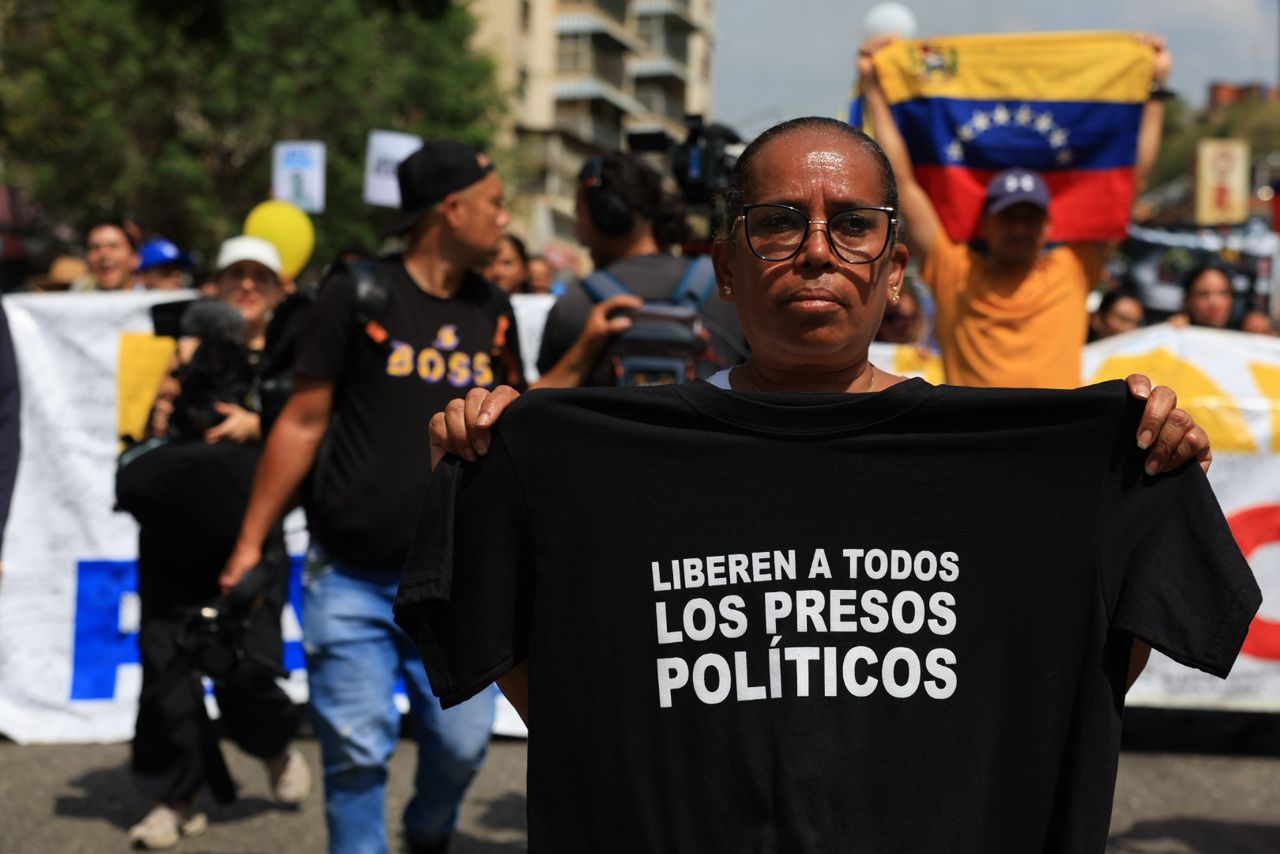
Venezuelan Groups Call for National Day of Prayer for Political Prisoners Opposition Opposition outlets emphasize that civil society, Church leaders and students have called a nationwide day of prayer and vigils outside at least a dozen prisons to demand the release of hundreds of political prisoners, stressing peaceful action, solidarity with families and a vision of a more just and fraternal Venezuela. They present the initiative as a response to unfulfilled government promises of releases and criticize amnesty or legal measures crafted without consultation as mechanisms of impunity rather than genuine solutions. @htcq…4692 @4u9e…n83g @r83x…ptvy Civil society organizations, Catholic Church leaders, student groups, and families of detainees in Venezuela have coordinated a National Day of Prayer and solidarity focused on political prisoners, centered on Saturday 7 February at 10:00 a.m. outside at least 12 detention centers across the country. These activities, which include vigils, collective prayer, and logistical support for families, are presented as peaceful, faith-based gatherings that call for the release of detainees and emphasize themes of peace, reconciliation, and accompaniment for relatives who have maintained month-long vigils.
Shared context across descriptions of the initiative highlights the central role of the Catholic Church, especially Cardinal Baltazar Porras, and the collaboration with university student movements and broader civil society. The events are framed as part of a longer struggle over political imprisonment and justice in Venezuela, touching on prior government announcements of releases, partial compliance with such promises, and debates over amnesty laws and legal reforms that purport to address detention cases while raising questions about accountability and national reconciliation.
Points of Contention
Nature of the prisoners. Opposition-aligned outlets explicitly describe the detainees as political prisoners, often drawing on figures from organizations like Foro Penal and stressing that many are activists, students, or opponents held for dissent. Government-aligned coverage, when it appears, tends to avoid the term political prisoners, describing detainees instead as people processed for crimes related to public order, violence, or conspiracy, and may conflate them with common criminal cases. As a result, Opposition narratives emphasize unjust and selective repression, while Government-aligned narratives frame the issue as a matter of lawful prosecution with some room for humanitarian gestures.
Characterization of the prayer day. Opposition sources present the National Day of Prayer as a nonpartisan, moral and spiritual call that rises above politics, anchored in the Church’s prophetic role and the suffering of families, and framed as a peaceful plea for freedom and reconciliation. Government-aligned coverage, when it acknowledges such events, tends to downplay their scale, portray them as politically instrumentalized by the Opposition, or rebrand them as generic religious gatherings not specifically about detainees. This leads Opposition outlets to underscore broad social participation and legitimacy, while Government-aligned sources seek to minimize their political impact or strip them of explicit human-rights content.
Responsibility and legal reforms. Opposition media argue that the executive and security apparatus bear direct responsibility for arbitrary detentions and for failing to fully comply with promised releases, criticizing amnesty or legal mechanisms that are crafted without consultation as potential tools of impunity rather than genuine solutions. Government-aligned narratives, by contrast, tend to portray recent releases and legal reforms as evidence of the state’s goodwill, sovereignty, and commitment to peace, framing any remaining cases as complex legal matters handled by independent institutions. Thus, Opposition coverage stresses ongoing violations and broken promises, while Government-aligned outlets emphasize gradual progress and the need to respect official procedures.
Role of the Church and civil society. Opposition outlets highlight the Church, particularly Cardinal Porras, and student and civil groups as moral voices standing with the oppressed, presenting them as broad-based representatives of the nation’s conscience who seek a Venezuela that is more just and fraternal. Government-aligned coverage, where it addresses these actors, often aims to neutralize or co-opt their role by depicting them as either apolitical, aligned with dialogue initiatives endorsed by the state, or influenced by foreign-backed Opposition agendas. Consequently, Opposition media depict a united front of faith and civil society pressing peacefully for change, while Government-aligned media question their autonomy or scale and reassert the state as the primary guardian of peace and reconciliation.
In summary, Opposition coverage tends to portray the National Day of Prayer as a broad, morally grounded stand against political repression and unfulfilled promises, while Government-aligned coverage tends to recast or minimize the initiative, defend state legal processes, and question the framing of detainees as political prisoners.
Story coverage
Write a comment