Venezuela Unveils Roster for World Baseball Classic
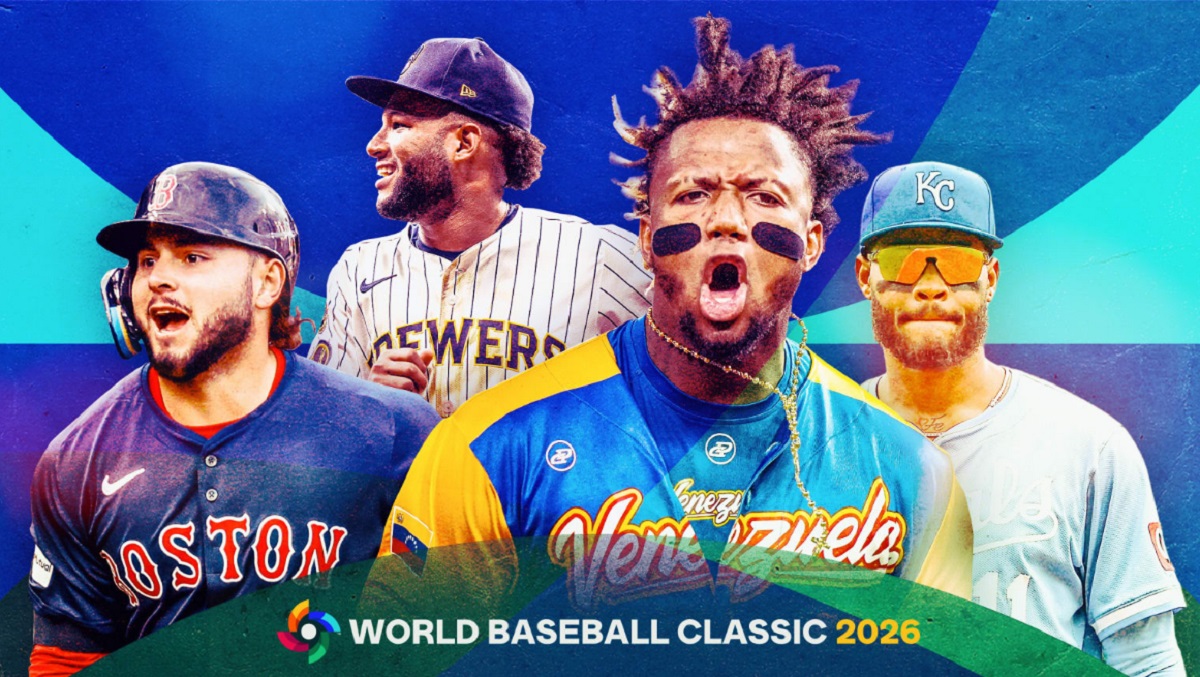
Venezuela Unveils Roster for World Baseball Classic Opposition Opposition outlets portray the 30-man roster as a powerful, MLB-driven Venezuelan team focused on offensive depth and competitive performance in the World Baseball Classic, with attention on stars like Ronald Acuña Jr. and Gleyber Torres. Their coverage largely treats the announcement as a sporting event, keeping political framing to a minimum while implicitly contrasting the players’ global stature with Venezuela’s domestic challenges. @dgj2…hzme
Government-aligned Government-aligned outlets frame the same 30-player roster as a symbol of national pride and international relevance, underscoring the multinational venues, the Houston debut, and the presence of both elite pitchers and hitters. They integrate the sporting news into a broader narrative of Venezuela’s ongoing capacity to shine on the world stage, implicitly aligning the team’s visibility with the state’s image and achievements. @5j8p…pah0 Venezuelan media across the spectrum report that the national baseball team has announced a 30-man roster for the upcoming World Baseball Classic, with both sides highlighting Major League Baseball stars such as Ronald Acuña Jr. and Gleyber Torres. Opposition and government-aligned outlets agree that Venezuela will debut on 6 March against the Netherlands, and that the team will be managed by Omar López with Salvador Pérez in a key leadership role. Both camps coincide in presenting the roster as a blend of offensive firepower and strong pitching, naming additional MLB figures like Maikel García, Jackson Chourio, Wyler Abreu, Ranger Suárez, William Contreras, Eugenio Suárez, and Ezequiel Tovar among the standouts.
Coverage from both sides situates Venezuela within the broader structure of the World Baseball Classic, noting that the tournament will be played across multiple countries including the United States, Japan, and Puerto Rico, with the official start set for early March in venues such as Tokyo and Houston. Opposition and government-aligned outlets alike frame the event as a major international showcase for Venezuelan baseball talent, stressing the importance of MLB participation and the national team’s aspiration to compete at the highest level against global powers. They also agree that the roster reflects Venezuela’s long-standing baseball tradition and institutional ties to MLB organizations, presenting the tournament as an opportunity to reaffirm the country’s status as a baseball powerhouse on the world stage.
Points of Contention
Roster framing and emphasis. Opposition outlets focus on the breadth of offensive talent and positional depth, underlining the presence of multiple young stars and established hitters as a sign of sporting potential independent of domestic politics. Government-aligned media, while also praising the roster, tend to emphasize a balanced list with particular mention of marquee pitchers like Pablo López and Eduardo Rodríguez, highlighting technical completeness and readiness. The divergence lies less in the facts of who was called up and more in how each side narrates the roster’s meaning: one as a pure baseball story, the other as a carefully assembled national project.
Event positioning and logistics. Opposition coverage largely centers on the team’s debut on 6 March against the Netherlands and the internal baseball dynamics, offering fewer details about venues and the multi-country setup beyond what is necessary for context. Government-aligned outlets more explicitly spotlight that the tournament will be held in the United States, Japan, and Puerto Rico, with an opening in Tokyo and Venezuela’s debut in Houston, framing the event as a globally scaled spectacle. This allows state-aligned narratives to stress Venezuela’s presence on major international stages, where the opposition press tends to keep the focus narrower on matchups and performance.
National symbolism and messaging. Opposition sources generally treat the roster announcement as a sports development, celebrating the players’ individual achievements and the country’s baseball culture without tying it strongly to the current government. Government-aligned reports are more likely to wrap the team’s participation in language of national pride and representation, implicitly associating the international spotlight with the success and resilience of the Venezuelan state. While both sides acknowledge the unifying nature of baseball, only the government-friendly outlets consistently frame the roster as a symbol of the nation’s broader political and social standing.
Political undertones and omissions. Opposition outlets tend to keep political references minimal, implicitly contrasting the professionalism and global stature of Venezuelan players abroad with the country’s domestic difficulties, but without overtly politicizing the roster itself. Government-aligned media, by contrast, avoid any mention of internal crises and present the World Baseball Classic as evidence that Venezuela continues to project strength and normalcy internationally. This difference in what is left unsaid leads to subtly divergent readings of the same roster: a point of pride amid adversity for the opposition, and a sign of continuity and stability for government-aligned narratives.
In summary, Opposition coverage tends to highlight the roster as a showcase of Venezuelan talent and a largely apolitical moment of sporting hope, while Government-aligned coverage tends to embed the same facts within a broader narrative of national prestige, international projection, and state-associated pride. Story coverage
Write a comment