Trump Refuses to Apologize for Sharing Racist Video of Obamas
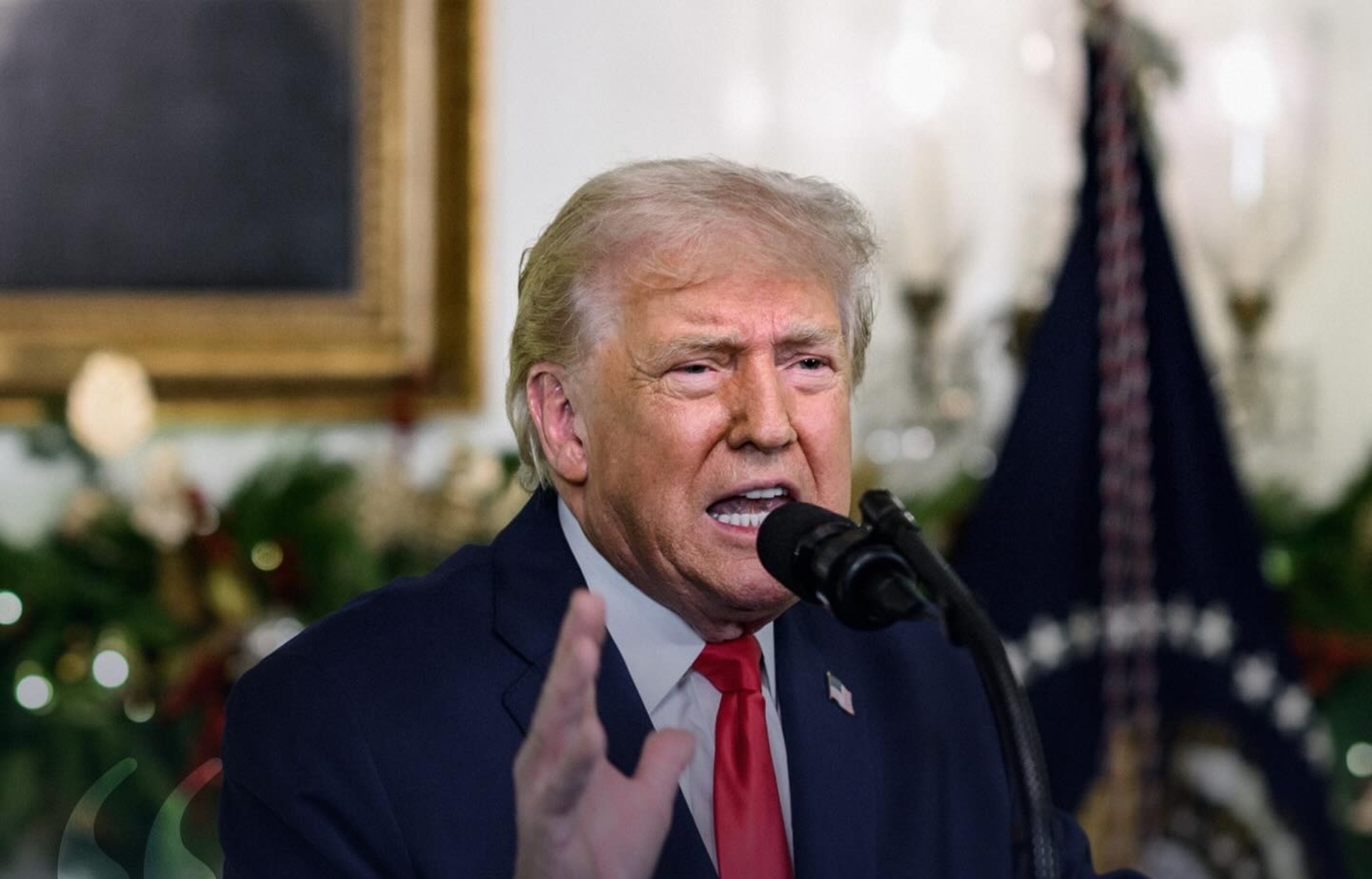
Trump Refuses to Apologize for Sharing Racist Video of Obamas Opposition Opposition coverage portrays the video as blatantly racist, stressing the dehumanizing history of depicting Black figures as simians and arguing that Trump’s refusal to apologize or discipline staff shows contempt for basic norms. These outlets also link the incident to ongoing election disinformation about Dominion Voting Systems, framing it as part of a broader pattern that undermines democratic institutions and public trust. @dgj2…hzme @htcq…4692 Donald Trump is reported to have shared on his Truth Social account a video depicting former President Barack Obama and former First Lady Michelle Obama as simians, with both Opposition and Government-aligned narratives agreeing that the content has been widely condemned as racist. Both sides also concur that Trump has publicly refused to apologize, has said he did not watch the entire video before it was posted, has declined to fire the staffer involved, and that the video was ultimately removed from the platform following heavy criticism, including from some Republicans, in part because it also contained false allegations involving Dominion Voting Systems and election manipulation.
Across coverage, there is broad agreement that the incident intersects with long-standing tensions over race, political polarization, and Trump’s use of social media to rally his base and provoke opponents. The shared context highlights the role of platforms like Truth Social in disseminating incendiary political content, the sensitivity around racist imagery directed at high-profile Black public figures, and the ongoing shadow of 2020 election denial narratives involving Dominion Voting Systems. Both perspectives also acknowledge that the backlash reflects deeper institutional concerns about norms of presidential behavior, party discipline within the Republican Party, and the broader debate over how political leaders should respond to racially charged material.
Points of Contention
Racism and intent. Opposition-aligned sources frame the video as overtly racist and emphasize that portraying the Obamas as simians taps into a historically dehumanizing trope against Black people, arguing that Trump’s refusal to apologize normalizes such racism. Government-aligned coverage, where it appears, is more likely to describe the clip as offensive or “in poor taste” without dwelling on the racial history, or to suggest that Trump did not personally create the video and thus should not be assumed to share its intent. Opposition outlets highlight the symbolism and pattern of past racial controversies, while government-friendly narratives tend to minimize the racial component and focus on Trump’s claim that he had not seen the full content.
Accountability and consequences. Opposition media stress that, as a former president and leading political figure, Trump bears direct responsibility for what is amplified on his official account and that refusing to fire the staffer shows a lack of basic accountability. Government-aligned sources, by contrast, tend to accept or foreground Trump’s explanation that a subordinate posted the video, framing the issue as an internal staffing error rather than a deliberate act by Trump himself. While Opposition outlets call for clearer consequences and portray the episode as evidence of unfitness for office, government-aligned narratives either downplay the need for sanctions or pivot to claims that critics are exploiting the incident for partisan gain.
Election denial content. Opposition coverage highlights that the video not only contained racist imagery but also recycled baseless allegations against Dominion Voting Systems, tying it into the broader ecosystem of election lies surrounding 2020 and emphasizing the dangers of continued disinformation. Government-aligned sources, when addressing the Dominion element at all, are more likely to frame it as part of ongoing questions or grievances about election integrity, or they shift attention away from the specifics to avoid revisiting disproven claims. Opposition outlets portray the combination of racist caricature and debunked fraud narratives as a compounded threat to democratic norms, whereas government-aligned coverage tends to treat the election-related content as secondary or politically contested rather than conclusively false.
Significance of the backlash. Opposition-aligned reporting underscores the breadth of condemnation, stressing that criticism came not only from Democrats and civil-rights advocates but also from some Republicans, and interpreting this as a sign of Trump’s growing isolation and the seriousness of the breach. Government-aligned media, where they acknowledge the backlash, often frame it as media overreaction or as part of a long-standing campaign to damage Trump, while sometimes highlighting supportive voices who defend him as a victim of cancel culture. Opposition outlets argue that the cross-party criticism shows a red line has been crossed, whereas government-aligned narratives depict the uproar as politically orchestrated and not reflective of Trump’s base.
In summary, Opposition coverage tends to depict the episode as a clear example of racist dehumanization and dangerous disinformation demanding strong accountability, while Government-aligned coverage tends to minimize Trump’s personal culpability, downplay the racial and democracy-related stakes, and recast the controversy as another partisan attack on him. Story coverage
Write a comment