Trump to Visit Fort Bragg to Meet Special Forces Involved in Maduro's Capture
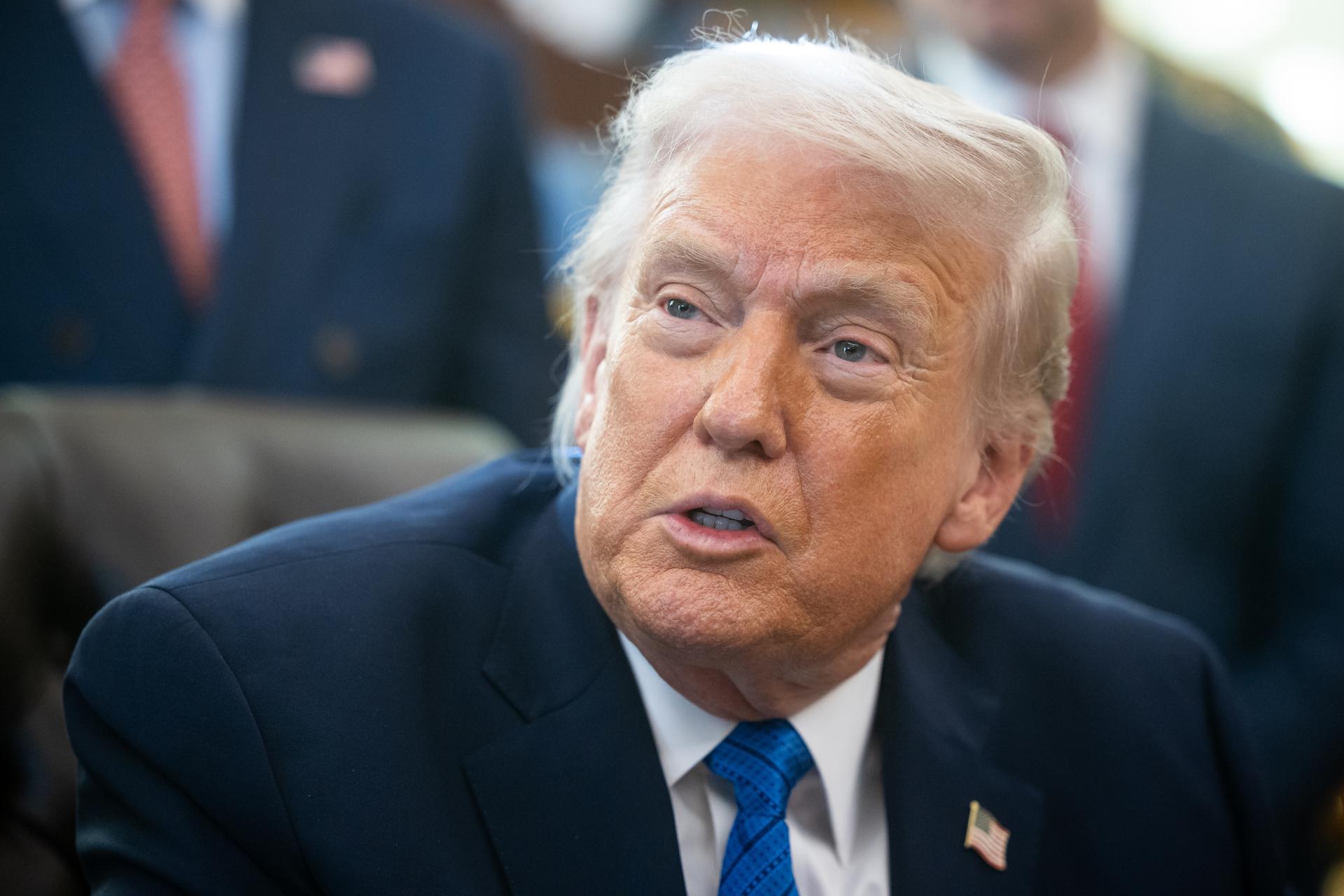
Trump to Visit Fort Bragg to Meet Special Forces Involved in Maduro’s Capture Opposition Opposition-aligned coverage depicts Trump’s Fort Bragg visit as a well-deserved tribute to U.S. special forces who executed a highly successful, legally grounded operation to capture Nicolás Maduro and bring him to face narcoterrorism charges in the United States. These outlets stress the mission’s professionalism, lack of U.S. casualties, and its potential to unlock political change and accountability in Venezuela. @dgj2…hzme @r83x…ptvy @htcq…4692 Donald Trump, as president of the United States, is scheduled to visit Fort Bragg in North Carolina to meet with the special forces units and their families involved in the operation that led to the capture of Nicolás Maduro and his wife, Cilia Flores, in Caracas on January 3. Both opposition-aligned accounts describe this as a high-profile recognition visit, confirmed by White House spokesperson Karoline Leavitt, in which Trump and the First Lady will honor the troops who executed what is referred to as “Operación Resolución Absoluta” or “Operation Absolute Resolve,” an assault that reportedly neutralized Venezuelan air defenses, caused around 80 deaths (including 32 Cuban agents), and resulted in no U.S. military casualties. These sources state that Maduro and Flores were transported to New York or elsewhere in the United States to face existing federal narcoterrorism charges, with U.S. military and intelligence cooperation—particularly from the CIA—highlighted as central to the mission’s planning and execution.
Shared context across the opposition-aligned reporting frames the operation as the culmination of long-running U.S. efforts to hold Maduro accountable under U.S. federal law, especially narcoterrorism indictments that had already been filed in American courts. The pieces emphasize the institutional coordination between the Pentagon, special operations forces, and intelligence agencies, noting that Secretary of War Pete Hegseth publicly outlined how Maduro’s security apparatus detected the raid only minutes before it began, underscoring the element of surprise. Overall, the visit to Fort Bragg is presented as part of a broader U.S. strategic posture against authoritarian regimes in the region, using special operations and legal prosecution mechanisms to enforce international and domestic norms, while symbolically rewarding the military personnel who carried out a complex and risky cross-border mission.
Points of Contention
Legality and sovereignty. Opposition-aligned outlets portray the raid in Caracas as a justified enforcement of international and U.S. law against a leader accused of narcoterrorism, downplaying questions about Venezuelan sovereignty. In the absence of explicit government-aligned coverage but extrapolating from typical state narratives, government-aligned sources would likely frame the same events as a blatant violation of Venezuela’s territorial integrity and an illegal kidnapping of a sitting head of state. Opposition narratives stress prior indictments and Maduro’s alleged criminality as sufficient grounds for action, while government-aligned narratives would be expected to insist that any prosecution must occur through Venezuelan or friendly regional institutions, not unilateral U.S. military intervention.
Framing of the operation’s success and costs. Opposition-aligned reporting emphasizes operational precision, the absence of U.S. casualties, and the rapid neutralization of defenses as evidence of a clean, professional mission, with the 80 reported deaths presented as a secondary detail. Government-aligned narratives, by contrast, would likely foreground those casualties—especially the mention of Cuban agents and Venezuelan personnel—as proof of a deadly foreign assault, reframing what opposition outlets call a “successful” operation as a massacre or act of state terrorism. Thus, while opposition sources celebrate tactical triumph and effective planning, government-aligned outlets would be expected to highlight human suffering and civilian or allied losses.
Characterization of Trump and U.S. forces. In opposition-aligned sources, Trump appears as a commander-in-chief honoring elite troops, reinforcing his tough stance against Maduro and showcasing U.S. military prowess and intelligence capabilities. Government-aligned coverage, if following established patterns, would likely cast Trump as an aggressor or imperialist leader using the military for regime-change objectives and domestic political gain. Whereas opposition outlets frame the special forces as liberators enforcing justice, government-aligned narratives would be expected to describe them as invaders or mercenaries acting on behalf of U.S. geopolitical interests.
Implications for Venezuela’s future. Opposition-aligned media tend to imply that Maduro’s capture opens the door to accountability, democratic transition, and relief from authoritarian rule, positioning the operation as a necessary step toward restoring institutional normalcy. Government-aligned outlets, by contrast, would likely predict instability, external control over Venezuelan politics, and the delegitimization of national institutions, arguing that change imposed via foreign force undermines sovereignty and popular will. Thus, while opposition sources see the operation and Trump’s Fort Bragg visit as milestones toward a new political order, government-aligned narratives would be expected to warn of occupation, chaos, and the erosion of self-determination.
In summary, Opposition coverage tends to celebrate the operation as a lawful, precise, and strategically justified mission crowned by Trump’s Fort Bragg visit to honor U.S. forces, while Government-aligned coverage tends to denounce such actions as illegal aggression, human-costly interference, and a pretext for imposing external control over Venezuela.
Story coverage
Write a comment