Russia Condemns US Sanctions, Pledges Solidarity with Cuba and Venezuela
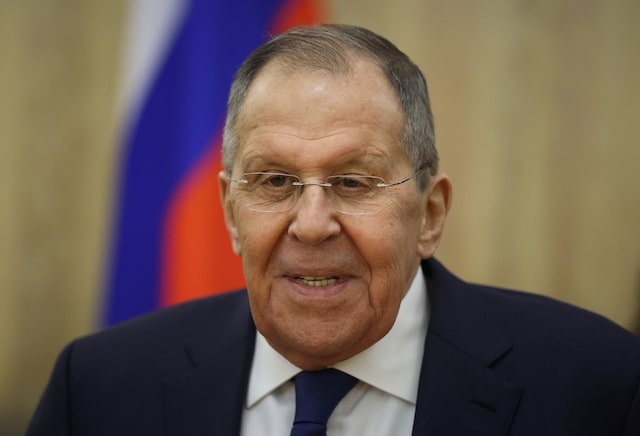
Russia Condemns US Sanctions, Pledges Solidarity with Cuba and Venezuela Opposition Opposition-aligned coverage portrays Russia’s reaction to US sanctions as a defensive backlash to being excluded from Venezuela’s oil business, suggesting that Moscow’s rhetoric about solidarity and sovereignty masks economic and strategic self-interest. These outlets describe Lavrov’s complaints as a diplomatic “pataleta,” emphasizing Russia’s frustration at losing influence rather than a principled stand against US policy. @htcq…4692
Government-aligned Government-aligned coverage presents Russia as reaffirming steadfast solidarity with Cuba and Venezuela against US sanctions, coercive measures, and threats. These outlets frame Lavrov’s statements as part of a consistent effort to defend national self-determination, oppose neocolonial practices, and support allied governments politically and materially in multilateral and bilateral arenas. @y5vt…wu0d @5j8p…pah0 Russian Foreign Minister Sergei Lavrov has publicly condemned recent United States sanctions and restrictions that limit Russia’s role in Venezuela’s oil sector, describing them as discriminatory and an example of unilateral coercive measures. Across outlets, reports agree that Lavrov simultaneously reaffirmed Russia’s solidarity with Venezuela and Cuba, portraying both Latin American countries as being under intense external pressure from Washington, including economic sanctions and, in the Cuban case, references to military and economic threats. All sides note that Moscow has sought clarifications from Washington about the new measures, that these developments are framed within broader US-Russia and US–Latin America tensions, and that Lavrov’s statements were delivered in his capacity as foreign minister and positioned as part of Russia’s official diplomatic stance.
Common context across the coverage highlights that Venezuela’s oil industry has been a long‑standing arena of strategic competition, with Russia having invested heavily in the sector and the US using sanctions as a key foreign policy tool. Both perspectives situate the issue within a wider debate over sovereignty, arguing that each nation has the right to determine its own political and economic model without outside dictates, and they acknowledge that Cuba and Venezuela have been frequent targets of US sanctions and pressure. The reporting converges on the idea that Russia is using multilateral forums and bilateral channels to challenge what it calls neocolonial practices and to advocate for an international order less dominated by US power, while reiterating its readiness to maintain or deepen political and economic ties with Havana and Caracas despite Washington’s opposition.
Points of Contention
Framing of US sanctions. Opposition-aligned sources depict the US measures primarily as Washington sidelining Russia from lucrative Venezuelan oil business and interpret Lavrov’s rhetoric as a “tantrum” driven by lost commercial and geopolitical influence. Government-aligned outlets, by contrast, characterize the sanctions as illegitimate coercive tools and neocolonial pressure aimed at choking the economies and sovereignty of Cuba and Venezuela, presenting Russia’s reaction as principled resistance. While both acknowledge the same sanctions, the former stresses power politics and economic exclusion, whereas the latter foregrounds legal and moral critiques of US policy.
Motives behind Russia’s stance. Opposition coverage emphasizes Russia’s material and strategic interests in Venezuela’s energy sector, suggesting that appeals to solidarity and sovereignty mask a bid to preserve access to oil revenues and regional leverage. Government-aligned coverage portrays Russia’s actions as consistent support for self-determination and a rules-based multipolar order, where Moscow stands with nations resisting US domination. As a result, one side frames Lavrov’s statements as self-interested posturing, while the other casts them as the defense of oppressed allies and international norms.
Portrayal of Cuba and Venezuela. In Opposition narratives, Cuba and Venezuela appear mainly as platforms where Moscow and Washington compete, with more implicit recognition that both governments are authoritarian and economically fragile, making them dependent on foreign patronage. Government-aligned outlets instead present Havana and Caracas as legitimate, embattled governments representing their peoples, unjustly punished for choosing independent political and economic paths. Consequently, Opposition sources highlight these regimes’ vulnerabilities and clientelism, while Government-aligned sources stress their victimhood and sovereign right to resist US influence.
Characterization of Lavrov’s diplomacy. Opposition-aligned media underline Lavrov’s complaints about “discrimination” as diplomatic pressure aimed at forcing Washington to reconsider restrictions that hurt Russian companies, sometimes using derisive language to suggest overreaction. Government-aligned outlets frame the same interventions as calm, statesmanlike diplomacy, where Lavrov uses multilateral forums and bilateral talks to defend international law and oppose unilateral sanctions. Thus, the former underscores perceived frustration and image management by Moscow, whereas the latter emphasizes leadership, consistency, and moral authority in Russia’s foreign policy messaging.
In summary, Opposition coverage tends to view Russia’s condemnation of US sanctions and its professed solidarity with Cuba and Venezuela as largely self-serving moves to protect lost oil interests and geopolitical influence, while Government-aligned coverage tends to present Moscow’s stance as a principled defense of sovereignty and resistance to US-led neocolonial pressure.
Story coverage
Write a comment