Israeli PM Netanyahu Visits US for Talks With Trump Administration on Iran
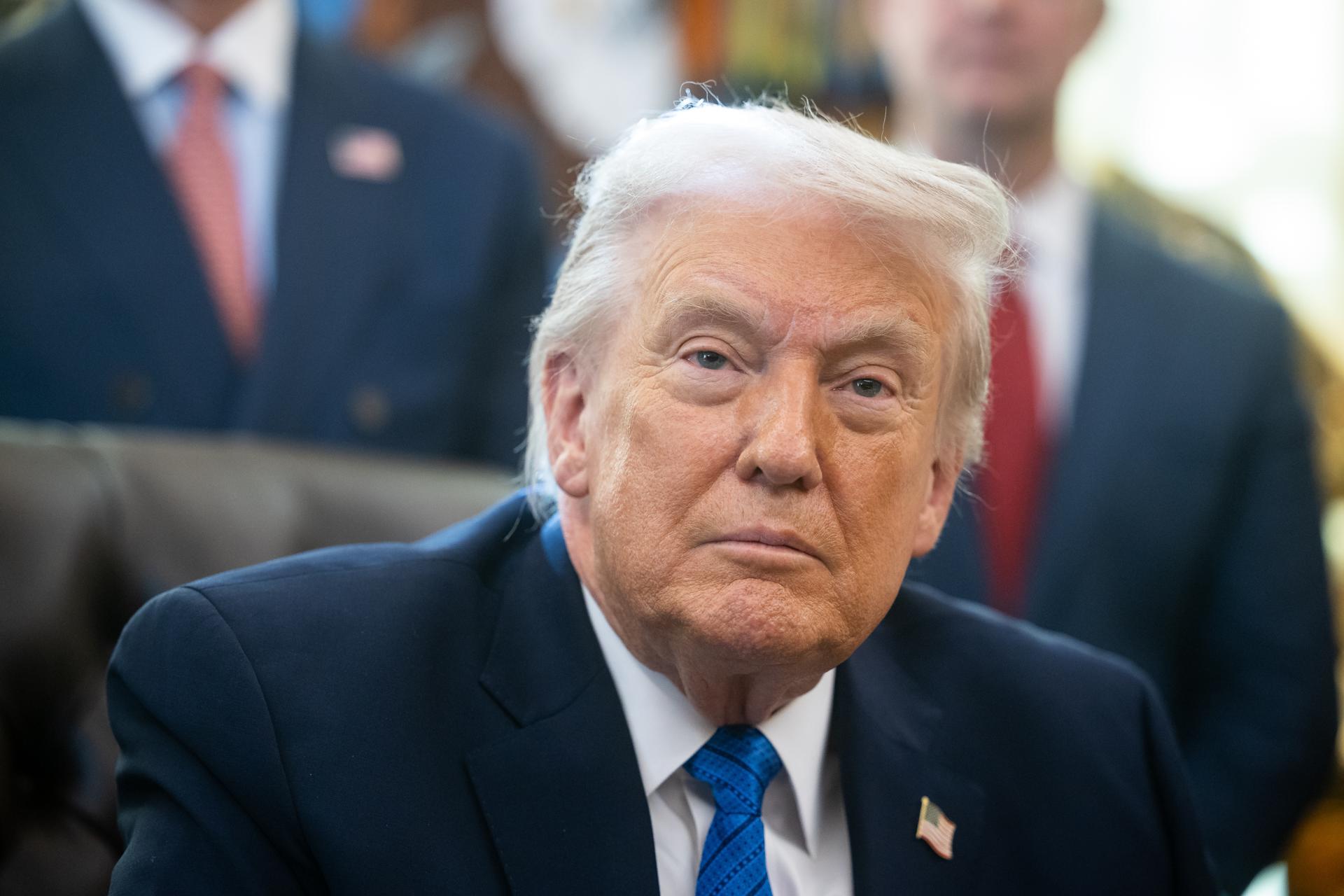
Israeli PM Netanyahu Visits US for Talks With Trump Administration on Iran Opposition Opposition outlets depict Netanyahu as arriving in Washington to pressure Trump into a tougher, more expansive stance on Iran, insisting any agreement cover nuclear issues, missiles, and support for regional militias. They highlight Trump’s stated preference for a negotiated deal and frame Netanyahu’s skepticism as a potential obstacle to U.S. diplomatic flexibility. @htcq…4692
Government-aligned Government-aligned outlets present Netanyahu’s visit as part of ongoing strategic coordination with a generally sympathetic Trump administration, focused on limiting Iran’s enrichment, missile program, and regional financing. They stress the linkage between Iran, regional militias, and the Gaza war, and spotlight U.S. protests to show growing controversy around Netanyahu’s policies. @y5vt…wu0d @5j8p…pah0 @lhs7…hw3k Benjamin Netanyahu, prime minister of Israel, is visiting the United States for talks with the Trump administration focused primarily on Iran’s nuclear program, ballistic missiles, and regional activities. Both Opposition and Government-aligned outlets report that Netanyahu met Trump and his senior envoys, including Jared Kushner, in Washington and at the Capitol, where he also delivered a speech. They agree that the agenda centers on ongoing or renewed U.S.–Iran negotiations, with Israel pressing for strict limits on uranium enrichment, the Iranian missile program, and support for regional militias or groups, and that Trump publicly reiterated his preference for a negotiated solution despite having ordered past military strikes against Iranian nuclear facilities. Both sides note that Iran has warned Washington not to allow Netanyahu to play a disruptive role in the talks and has criticized Israel’s influence as destructive.
Across both sets of outlets, the visit is situated within the broader institutional framework of U.S.–Israel strategic coordination and the fragile diplomatic process between Washington and Tehran over Iran’s nuclear and missile capabilities. Coverage consistently references prior or ongoing indirect negotiations between the U.S. and Iran, the existence of Israeli “demands” or conditions for any new agreement, and Iranian objections to including issues like missiles and support for regional groups. The articles depict a pattern in which U.S. administrations balance military options, such as past bombing of Iranian facilities, with formal diplomatic tracks and proposed mechanisms like a U.S.-backed peace or oversight body. Both sides underline that Netanyahu’s Washington trip coincides with debates over the war in Gaza and regional security, positioning the Iran file as part of a wider struggle over Middle Eastern stability and U.S. credibility in managing that conflict.
Points of Contention
Framing of Netanyahu’s objectives. Opposition outlets depict Netanyahu as arriving in Washington chiefly to pressure Trump into a harder line against Iran’s missile and regional activities, highlighting his stated “skepticism” toward any nuclear deal and his insistence on expanding its scope. Government-aligned coverage, while acknowledging his demands, frames his visit more as routine strategic coordination with trusted Trump envoys, emphasizing technical discussions on enrichment caps and missile limits rather than overt pressure. Opposition reports stress Netanyahu’s desire to constrain U.S. diplomatic flexibility, whereas Government-aligned articles present him as aligning with U.S. priorities and contributing expertise to the negotiations.
Characterization of Trump’s role. Opposition-aligned sources underscore Trump’s stated preference for a negotiated solution with Iran and his reference to past operations like the bombing of Iranian nuclear facilities to suggest he is balancing hawkish rhetoric with diplomacy. In this telling, Trump is portrayed as somewhat resistant to Netanyahu’s maximalist stance, emphasizing that he still wants a deal and expects Iran to be “more reasonable.” Government-aligned outlets instead cast Trump as broadly sympathetic to Israeli demands, depicting his envoys’ meetings with Netanyahu as part of a shared front that seeks tougher constraints on Iran, and they downplay any daylight between the two leaders over the scope or tactics of negotiations.
Public opinion and protests. Opposition reports give limited attention to domestic U.S. protests, focusing more on the elite-level dialogue between Netanyahu and Trump and on Iran’s warnings about Israeli interference. Government-aligned coverage, by contrast, places protests at the center, highlighting demonstrations by activists and some legislators against Netanyahu’s visit, his speech at the Capitol, and his stance on Gaza. This side uses the protests to underscore a narrative of growing international and U.S. public skepticism toward Netanyahu’s push on Iran and Gaza, whereas Opposition outlets largely treat public dissent as background noise to high-level diplomatic maneuvering.
Linkage to the Gaza war and regional conflict. Opposition outlets mention Gaza primarily as contextual to U.S.–Israel relations, treating Netanyahu’s main Washington mission as shaping Iran policy and listing Gaza alongside other agenda items. Government-aligned sources explicitly tie Netanyahu’s Capitol speech to rallying support for the war in Gaza and argue that his demands on Iran’s missiles and financing of regional groups are integral to sustaining Israel’s military posture there. Where Opposition coverage separates the Iran file from Gaza and emphasizes policy specifics, Government-aligned reporting fuses them, portraying Iran, its proxies, and the Gaza conflict as one interconnected security theater that justifies Netanyahu’s stance.
In summary, Opposition coverage tends to portray Netanyahu’s U.S. visit as an attempt to harden Trump’s Iran policy while Trump still seeks a negotiated deal, while Government-aligned coverage tends to cast the trip as part of a broader, justified security campaign linking Iran, Gaza, and regional militias and highlight public protests as evidence of wider controversy.
Story coverage
Write a comment