Venezuelan Oil Sales Surpass $1 Billion Following US-Caracas Deal
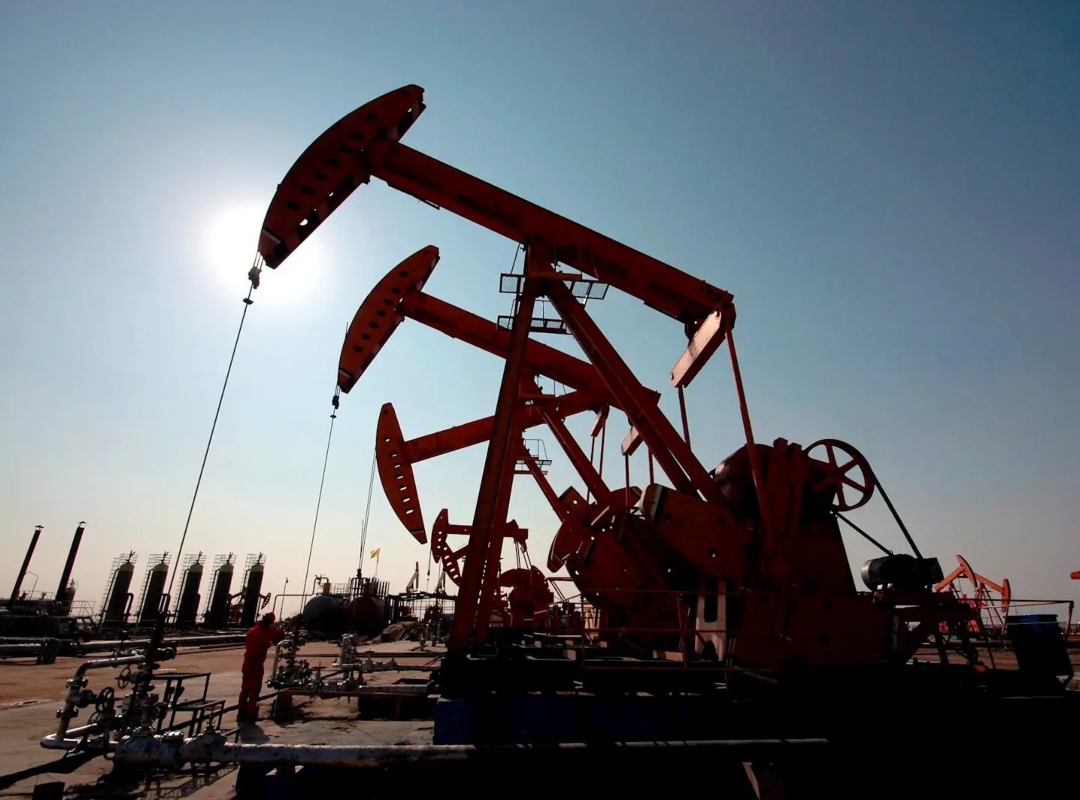
Venezuelan Oil Sales Surpass $1 Billion Following US-Caracas Deal Opposition Opposition-aligned coverage acknowledges that oil export revenues have surpassed 1 billion dollars and may quintuple under the US–Caracas accord, but frames this primarily as evidence of heightened US control over Venezuela’s finances and policy choices. It stresses that Washington’s leverage and indefinite oversight of crude sales risk entrenching dependency, raising doubts about whether ordinary Venezuelans will meaningfully benefit from the windfall. @r83x…ptvy @dgj2…hzme @htcq…4692 Venezuelan oil sales under the recent US–Caracas energy deal are reported to have surpassed 1 billion dollars in export revenue, with projections from US Energy Secretary Chris Wright that these earnings could reach around 5 billion dollars in the coming months. Coverage notes that the agreement grants Washington a decisive role in channeling and overseeing the sale of Venezuelan crude, and that this framework has already generated substantial cash flows linked directly to the bilateral arrangements.
Across reports, outlets agree that the deal has been framed by Chris Wright as an example of unusually close and “spectacular” cooperation between Caracas and Washington, tied to specific policy moves such as reforms to Venezuela’s hydrocarbons law. Both sides, in broad strokes, acknowledge that US influence over Venezuelan economic decision-making has increased via this mechanism, that the accord is intended to generate “positive changes” in Venezuela’s governance of the sector, and that the benefits are officially presented as mutual for both countries.
Points of Contention
Nature of cooperation. Opposition-aligned sources describe the cooperation as “spectacular” largely by quoting US officials, but they frame this as a sign of Venezuelan dependence and asymmetrical leverage rather than genuine partnership. They emphasize that Washington “now controls” how crude is sold and uses this as evidence that the relationship is transactional, externally directed, and vulnerable to political pressure. Government-aligned outlets, by contrast, tend to portray the same cooperation as sovereign, strategic, and proof that Venezuela has reinserted itself into global energy markets on its own terms, highlighting diplomatic skill rather than subordination.
US leverage and control. Opposition coverage underscores that the United States has “enorme influencia” because it can condition the flow of oil income and retains control over sales for an undefined period, effectively acting as gatekeeper to a large portion of state revenue. They frequently present this as a structural constraint on Venezuela’s economic autonomy and a tool for ongoing external oversight of domestic policy. Government-aligned media are more likely to downplay or reframe this leverage as technical or regulatory cooperation, stressing that the agreement is reversible and mutually negotiated, and that ultimate decisions still rest with Venezuelan authorities.
Economic impact and beneficiaries. Opposition-oriented outlets acknowledge the scale of the projected 5 billion dollars but question who actually benefits, suggesting that controls embedded in the deal mean revenues may be steered or frozen depending on US political criteria. They raise concerns that ordinary Venezuelans may see limited improvement if income is tightly managed offshore or earmarked under conditions dictated from Washington. Government-aligned sources are more inclined to highlight headline revenue figures and frame them as a direct boost to the national budget, promising greater capacity for social spending and infrastructure, and attributing prospective gains to government policy choices.
Reforms and conditionality. Opposition coverage links the hydrocarbons law reform and “positive changes” directly to external conditionality, arguing that Washington’s oversight ensures at least some transparency and modernization but also narrows the policy space of any future government. They point out that the open-ended nature of US control over sales could lock in a particular reform path aligned with foreign interests. Government-aligned outlets tend to characterize the same reforms as domestically driven modernization steps that merely happen to align with international expectations, presenting them as evidence of a proactive state adjusting its legal framework to attract investment while defending sovereignty.
In summary, Opposition coverage tends to treat the billion-dollar oil windfall as proof of deepened dependency and external control over Venezuela’s core revenue stream, while Government-aligned coverage tends to cast the same figures and reforms as signs of successful statecraft, regaining market access and resources under a cooperative but ultimately sovereign framework. Story coverage
Write a comment