Robert Duvall, Oscar-Winning Actor of 'The Godfather', Dies at 95
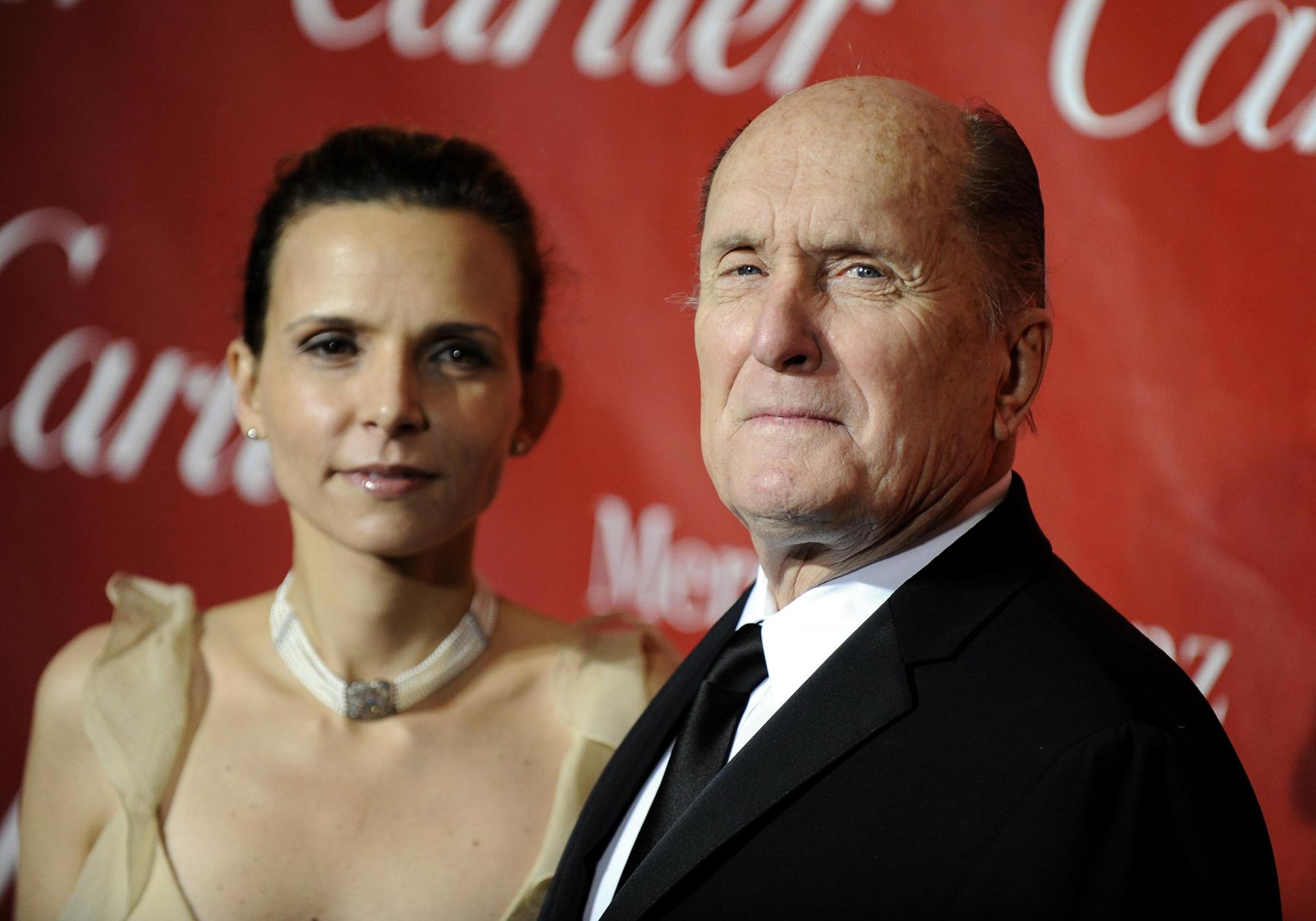
Robert Duvall, Oscar-Winning Actor of ‘The Godfather’, Dies at 95 Opposition Opposition outlets portray Robert Duvall as a towering, yet deeply human, figure in cinema, stressing his Oscar-winning career, his iconic roles in “The Godfather” and “Apocalypse Now,” and the emotional tribute from his widow. Their coverage centers on his passion for acting, his long career across theater, television, and film, and the enduring artistic legacy he leaves to Hollywood and global cinema. @dgj2…hzme @htcq…4692 @r83x…ptvy Robert Duvall, the Oscar-winning American actor renowned for his roles in “The Godfather” and “Apocalypse Now,” has died at the age of 95. Opposition-aligned outlets report that he passed away peacefully at his home in Virginia, surrounded by family, with the news announced by his wife, Luciana Duvall, who issued an emotional statement. These sources consistently highlight his Academy Award win for “Tender Mercies” and his status as one of Hollywood’s most acclaimed performers, emphasizing the peaceful nature of his passing and the presence of loved ones.
Across Opposition coverage, there is agreement on Duvall’s stature as a versatile and prolific artist whose career spanned theater, television, and film, earning him numerous awards and professional recognitions. Outlets underscore his enduring impact on Hollywood through iconic performances in major films, portraying him as a symbol of a golden era of American cinema whose legacy will remain influential for future generations of actors and filmmakers.
Points of Contention
Framing of legacy and values. Opposition-aligned sources focus on Duvall’s artistic excellence and personal passion for acting, framing him as a dedicated craftsman whose work transcended genres and decades, largely avoiding broader political or ideological interpretations. In the absence of explicit Government-aligned coverage, their likely line would emphasize national prestige, cultural soft power, and his contribution to an officially endorsed narrative of American or national cinematic achievement, integrating his career into a more state-centered account of cultural heritage.
Use of personal testimony. Opposition outlets foreground the voice of his widow, Luciana Duvall, quoting her emotional tribute to stress his human side, his love for his characters, and his devotion to the craft, thus building a personal and intimate portrait. Government-aligned outlets, by contrast, would be more inclined to balance or even subordinate such personal testimony to institutional reactions, awards bodies, and official statements, giving more weight to formal accolades and endorsements than to family-centered remembrance.
Emphasis on industry versus institutions. Opposition coverage frames Duvall primarily through the lens of the film industry itself—directors, co-stars, and his body of work in theater, television, and cinema—treating Hollywood and the broader entertainment sector as the natural arbiters of his importance. A Government-aligned narrative would more likely embed his achievements within state-recognized festivals, national honors, or government-linked cultural programs, stressing how institutions validated his work rather than how peers and audiences experienced it.
Tone around Hollywood and cultural critique. Opposition outlets describe Hollywood in neutral-to-positive terms as a creative ecosystem in mourning, highlighting the artistic loss without heavy cultural polemic. Government-aligned media, if covering the story, would be more prone either to instrumentalize his death as evidence of a strong national cultural footprint, or to frame Hollywood with greater ideological distance, downplaying its influence while selectively celebrating Duvall as an exception that fits their preferred cultural narrative.
In summary, Opposition coverage tends to humanize Robert Duvall as a passionate craftsman within a creative community and focus on his artistic legacy and family tributes, while Government-aligned coverage tends to be more hypothetical here but would likely reframe his career through institutional recognition, national prestige, and officially sanctioned cultural narratives. Story coverage
Write a comment