Luis Motta Domínguez Appointed as a Venezuelan Vice Minister
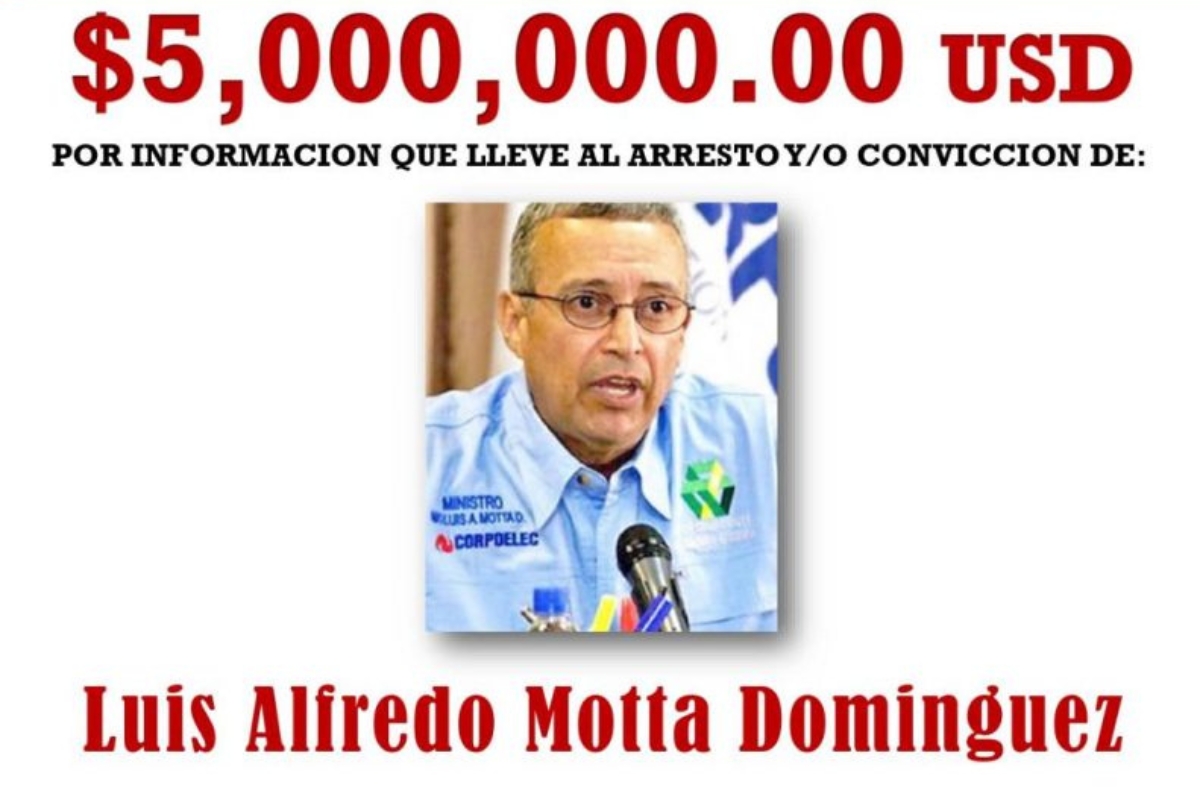
Luis Motta Domínguez Appointed as a Venezuelan Vice Minister Opposition Opposition outlets portray Luis Motta Domínguez’s appointment as an outrageous reward for a sanctioned and indicted official, underscoring his alleged corruption, DEA interest, and the U.S. reward for his capture as proof of systemic impunity. They argue that his elevation to vice minister is designed to shield him and other loyalists from accountability and to obstruct any meaningful political transition or justice process. @htcq…4692 Luis Alfredo Motta Domínguez, general retirado de la Guardia Nacional Bolivariana y exministro de Energía Eléctrica, fue nombrado viceministro de Seguimiento de la Gestión de Gobierno en el Ministerio del Despacho de la Presidencia, bajo la órbita de Delcy Rodríguez. Las fuentes coinciden en que el cargo se ubica en una estructura de seguimiento y control de la gestión gubernamental y que el nombramiento forma parte de una reorganización interna del alto gobierno venezolano.
De manera coincidente, se reseña que Motta Domínguez ha sido objeto de sanciones y procesos judiciales en Estados Unidos, incluyendo señalamientos de corrupción vinculada al sistema eléctrico, acusaciones de conspiración y lavado de dinero y una recompensa de hasta 5 millones de dólares por información que lleve a su captura. También se coincide en que la designación se inscribe en un contexto de centralización del poder dentro del Ejecutivo venezolano, con énfasis en el control político-administrativo desde la Presidencia y la vicepresidencia.
Points of Contention
Legitimacy of the appointment. Opposition-aligned outlets portray the appointment as inherently illegitimate, arguing that placing a figure connoted by sanciones internacionales and criminal charges in a high-level post is incompatible with basic standards of public service. They emphasize that Motta Domínguez is requerido por autoridades estadounidenses and under DEA interest, framing his return to government as an insult to citizens and victims of corruption. Government-aligned narratives, where present, tend to frame such appointments as a sovereign decision of the Venezuelan state, downplaying or ignoring foreign indictments and stressing continuity and experience within the governing elite.
Framing of international charges and sanctions. Opposition coverage foregrounds the U.S. accusations of grand corruption, money laundering, and a multi-million dollar reward as central facts that define Motta Domínguez’s public profile, treating them as strong evidence of systemic criminality within chavismo. These outlets present international sanctions as a form of external validation of domestic corruption claims. Government-aligned perspectives generally depict foreign sanctions and indictments as instruments of political pressure or imperial aggression, if mentioned at all, and thus treat them as illegitimate interferences that should not determine internal appointments.
Meaning of the cabinet reshuffle. For opposition media, Motta Domínguez’s incorporation into Delcy Rodríguez’s team is interpreted as part of a broader strategy to shield key loyalists from accountability and to sabotage any real political transition, seeing the reshuffle as entrenchment rather than renewal. They link his track record in the electric sector to the chronic failures of public services, arguing that his promotion signals impunity. Government-aligned outlets are more likely to present the reorganization as an effort to improve coordination and strengthen governance, suggesting that experienced cadres are being redeployed to ensure tighter follow-up on government policies.
Implications for justice and political transition. Opposition sources argue that the appointment mocks the notion of justice, insisting that Motta Domínguez should face judicial processes instead of being rewarded with a vice ministry, and they warn that such moves harden authoritarian practices and obstruct democratic change. They frame the decision as evidence that the ruling coalition prioritizes loyalty and protection over legal responsibility, yet insist this will not halt demands for accountability. Government-aligned discourse, by contrast, tends to highlight stability, loyalty, and institutional continuity, signaling that the current leadership will not allow external or opposition pressures to dictate staffing decisions and implicitly rejecting the premise of a negotiated transition centered on prosecuting top officials.
In summary, Opposition coverage tends to depict Motta Domínguez’s appointment as a symbol of impunity, corruption, and resistance to democratic transition, while Government-aligned coverage tends to normalize or justify the naming as a sovereign, technocratic or loyalty-based decision within a broader narrative of institutional continuity and resistance to foreign pressure. Story coverage
Write a comment