Ukrainian President Zelenskyy Meets with U.S. Secretary of State Rubio in Munich
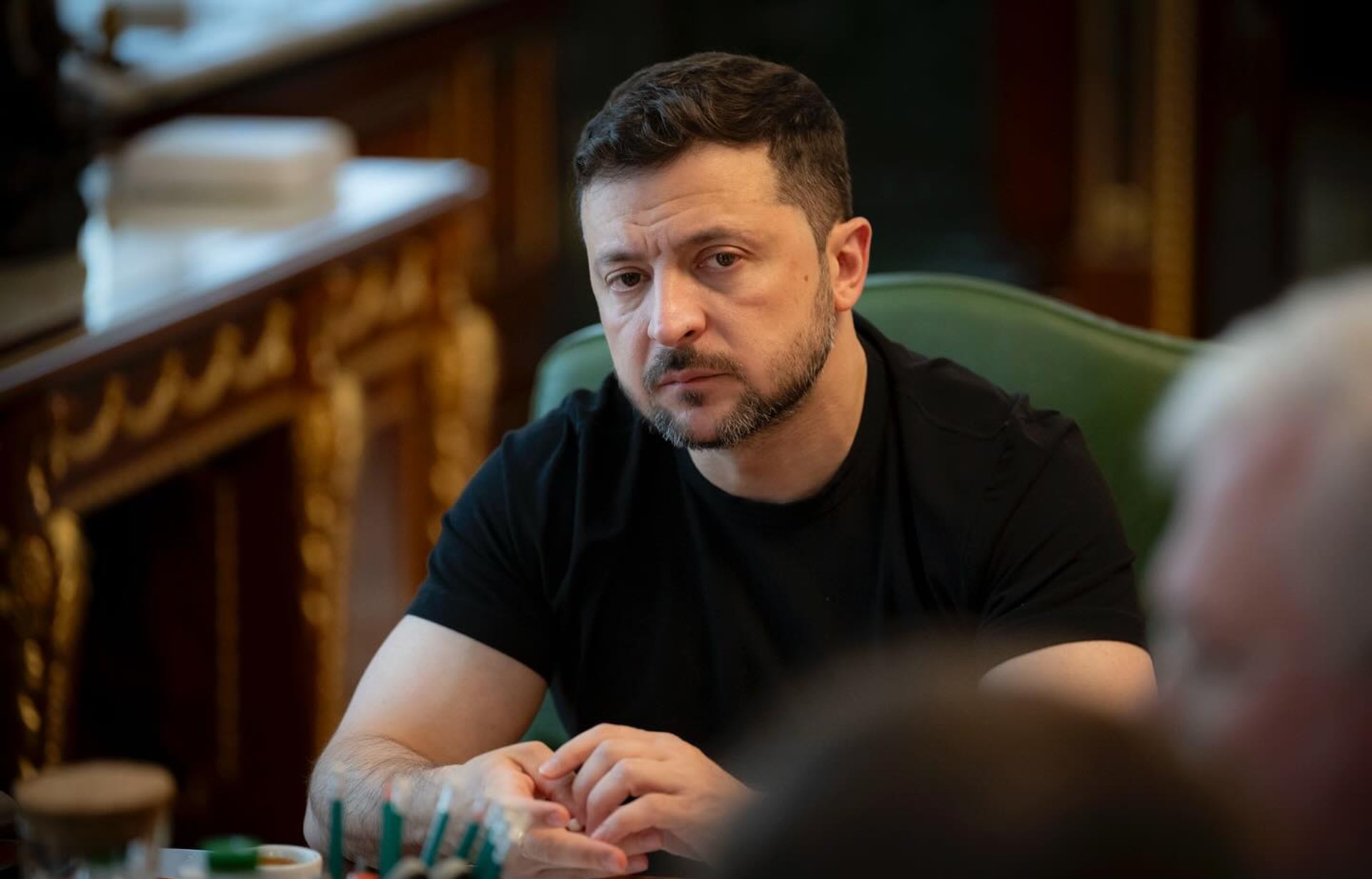
Ukrainian President Zelenskyy Meets with U.S. Secretary of State Rubio in Munich Opposition Opposition-aligned coverage depicts Zelenskyy’s talks with Rubio as a critical effort to secure tangible results on security guarantees and economic recovery while sounding the alarm over devastating Russian attacks on Ukraine’s energy grid and the government’s limited capacity to shield civilians. These outlets stress the urgency of more decisive international support and hint that both Kyiv and Washington must avoid half-measures that could leave Ukraine exposed in the next phase of the conflict and negotiations. @dgj2…hzme @htcq…4692 Ukrainian President Volodymyr Zelenskyy met with U.S. Secretary of State Marco Rubio on the sidelines of the Munich Security Conference, where they held talks focused on the ongoing Russian invasion of Ukraine, the state of the front line, and recent Russian attacks on Ukraine’s energy infrastructure. Reports agree that Zelenskyy briefed Rubio on the scale and impact of strikes on power facilities, the risks to civilians amid winter conditions, and Ukraine’s urgent need for additional assistance to protect the population and reinforce critical infrastructure resilience.
Coverage also concurs that the meeting formed part of a broader diplomatic track involving trilateral negotiations among Ukraine, Russia, and the United States aimed at advancing a possible peace agreement. Both sides highlight upcoming sessions in Geneva that are expected to address security guarantees for Ukraine and frameworks for economic recovery, including reconstruction and long-term support. Across reports, the institutional backdrop is presented as a combination of formal diplomatic talks and security commitments, with Munich serving as a high-level venue where Kyiv seeks to secure firmer U.S. backing for its security, energy stability, and postwar rebuilding plans.
Points of Contention
Framing of the peace process. Opposition-aligned outlets portray the peace negotiations as a difficult but necessary path in which Ukraine must push for concrete results and robust guarantees from both the United States and its partners, stressing that any agreement must not reward Russian aggression. In the absence of explicit government-aligned coverage, pro-government narratives typically frame such meetings as carefully managed steps in a responsible, pragmatic diplomatic strategy that preserves Ukraine’s sovereignty while avoiding unrealistic expectations about rapid breakthroughs. Opposition sources tend to underline the risk that international actors might pressure Kyiv into concessions, whereas government-aligned messaging usually emphasizes unity with Western partners and the maturity of Ukraine’s diplomatic leadership.
Characterization of U.S. role. Opposition reporting emphasizes Zelenskyy’s appeals to Rubio for stronger support, highlighting vulnerabilities in Ukraine’s energy and defense posture and suggesting that U.S. action has sometimes lagged behind rhetorical commitments. Government-aligned perspectives, by contrast, generally stress strategic partnership and mutual trust, framing the U.S. as a steady, reliable guarantor of security and reconstruction assistance whose engagement validates Kyiv’s course. Opposition outlets are more inclined to hint at asymmetries in leverage and to stress the need for firmer U.S. guarantees, while government-leaning narratives often highlight coordination, shared values, and an aligned vision of victory and peace.
Portrayal of internal preparedness and resilience. Opposition-aligned coverage underscores the severity of energy-system damage and the hardships facing civilians, implicitly questioning whether previous government measures were sufficient to protect critical infrastructure and prepare for winter escalation. More government-aligned narratives typically accentuate resilience, focusing on how Ukrainian authorities have maintained services under extreme pressure and presenting the meeting as part of a proactive strategy to secure resources before conditions worsen. Where Opposition sources may stress gaps and urgency to signal that more decisive policies and foreign commitments are needed, government-leaning accounts tend to foreground competence, continuity, and the effectiveness of ongoing reforms and defensive measures.
In summary, Opposition coverage tends to stress vulnerability, urgency, and the need for more concrete guarantees and accountability from both Kyiv and Washington, while Government-aligned coverage tends to emphasize strategic partnership, institutional resilience, and the government’s diplomatic and logistical competence in managing the crisis. Story coverage
Write a comment